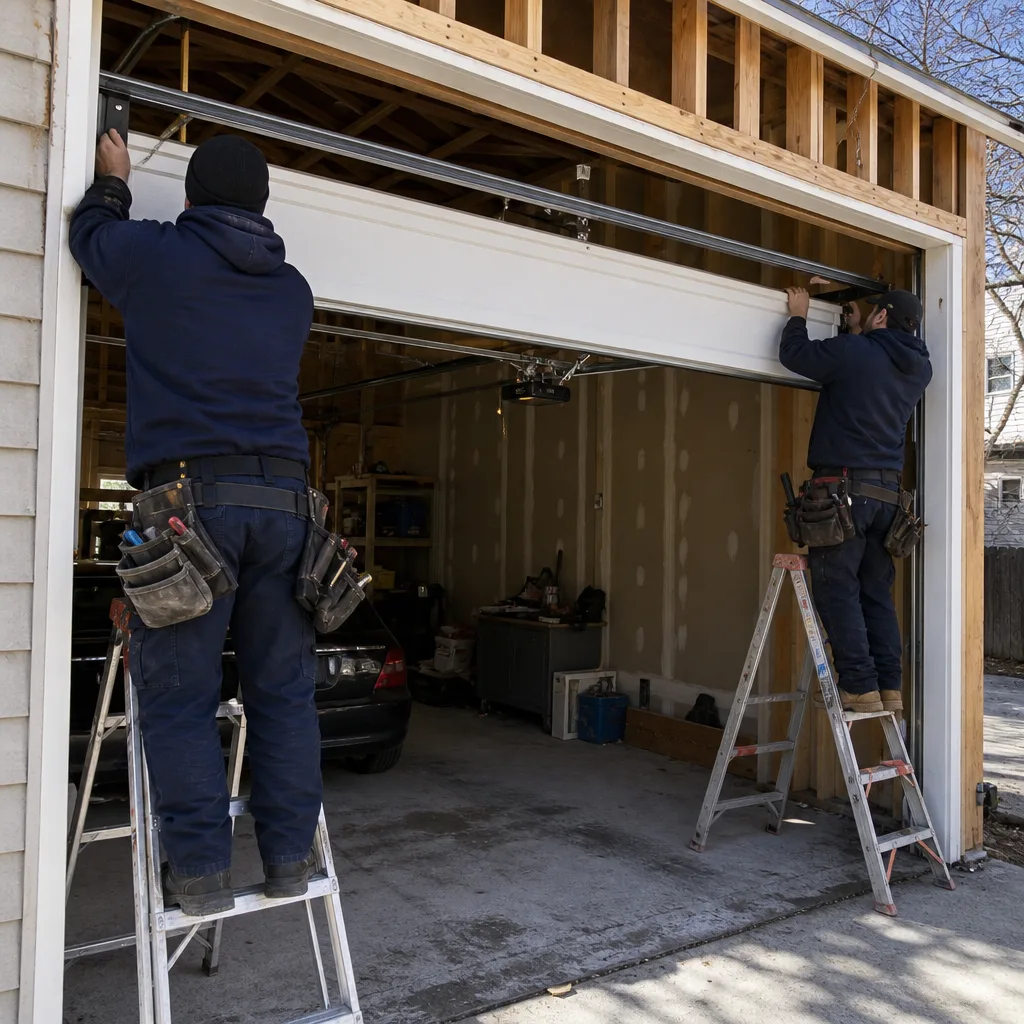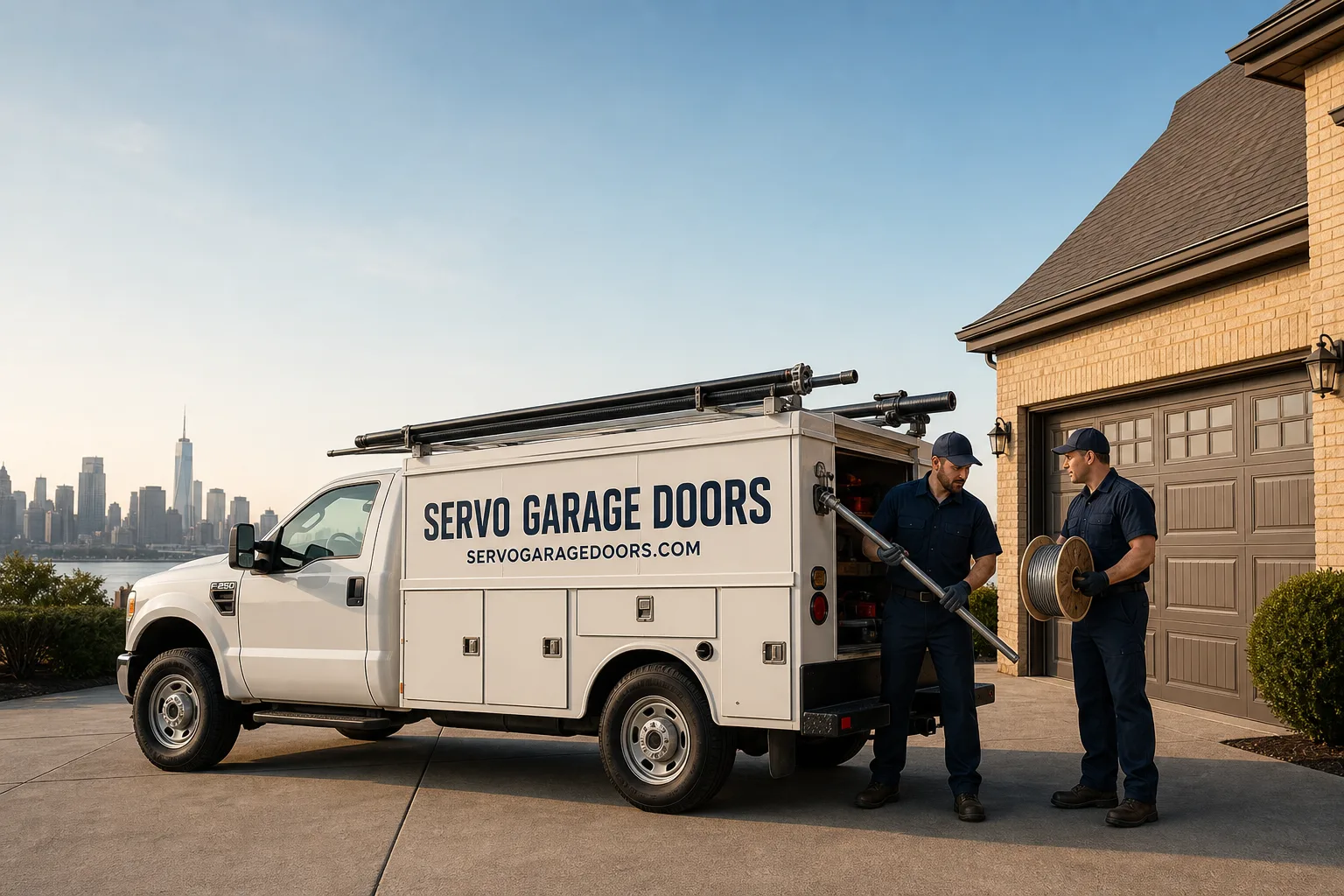
Full 25-point door and opener safety check with every visit - springs, cables, rollers, tracks, and your LiftMaster or Chamberlain opener included
You get a price before we start. It does not change when the truck arrives.
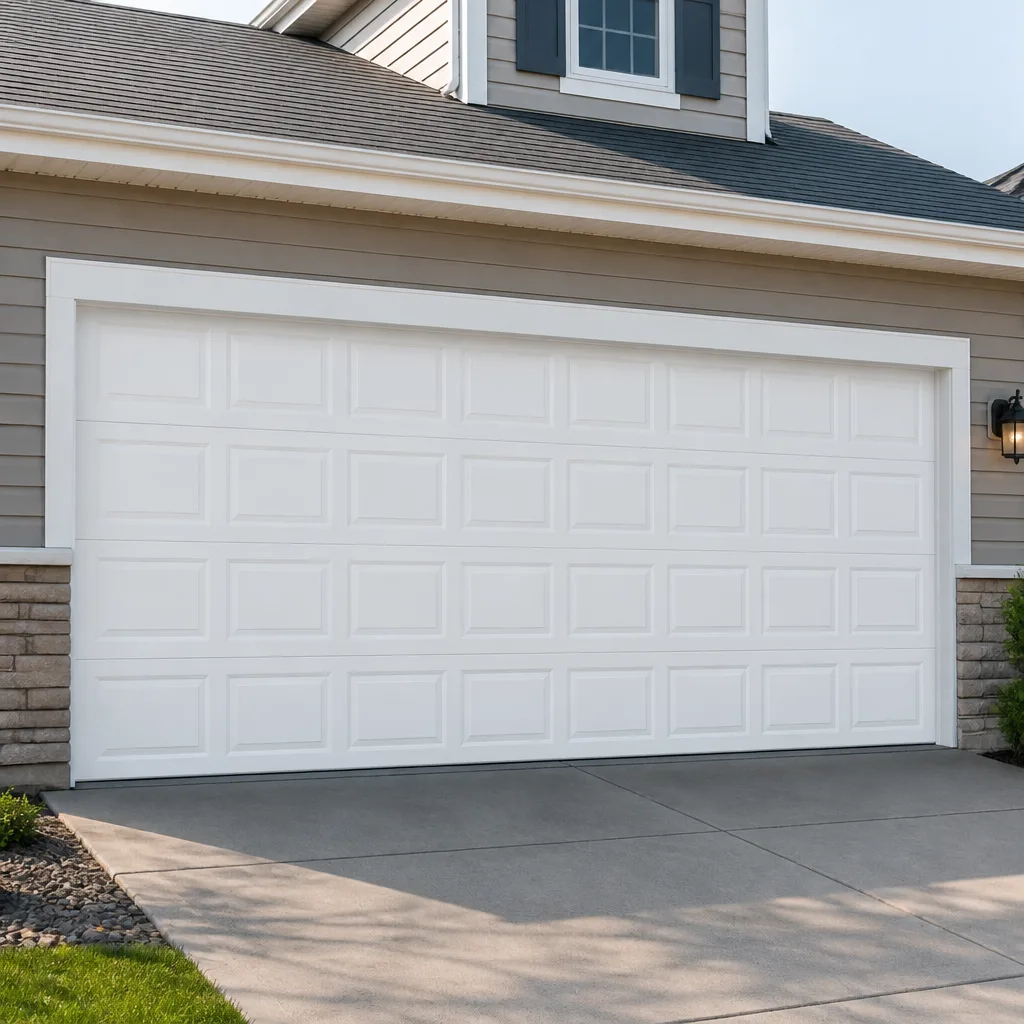
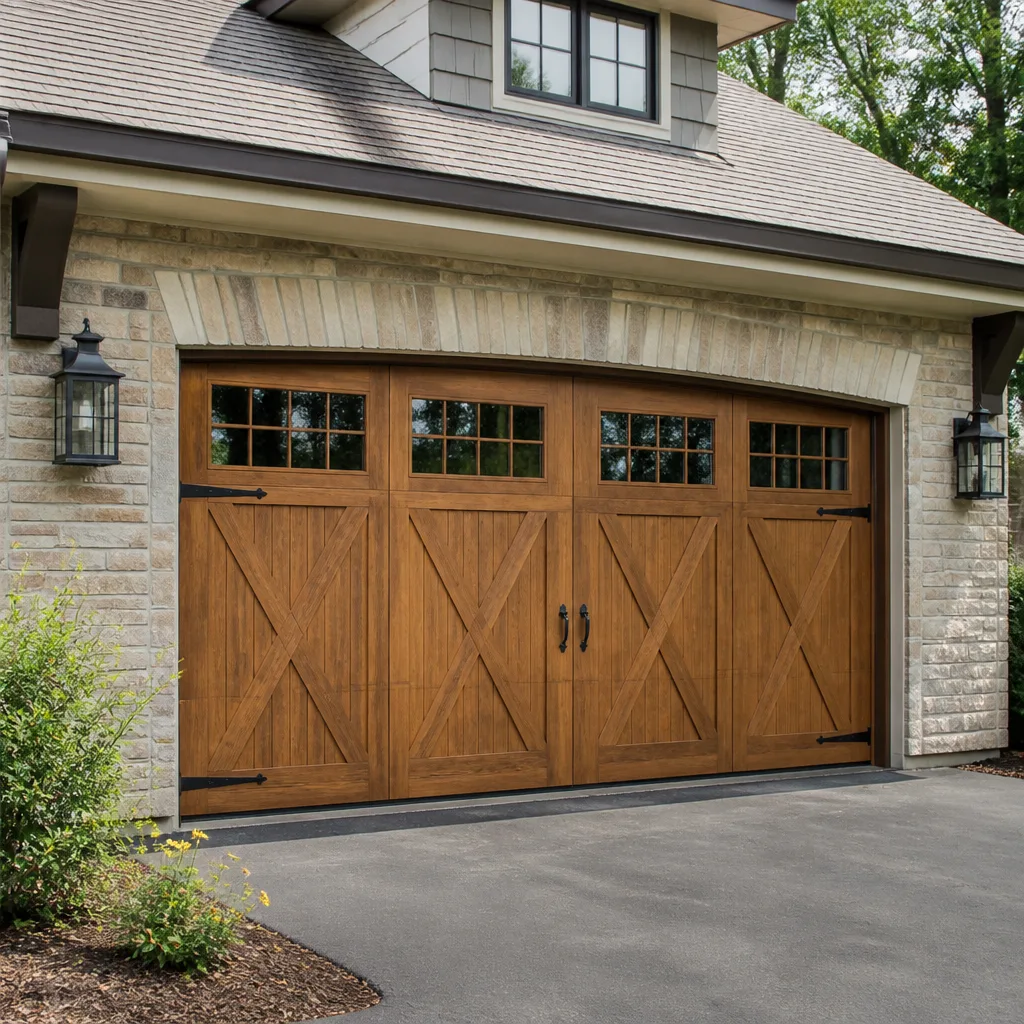
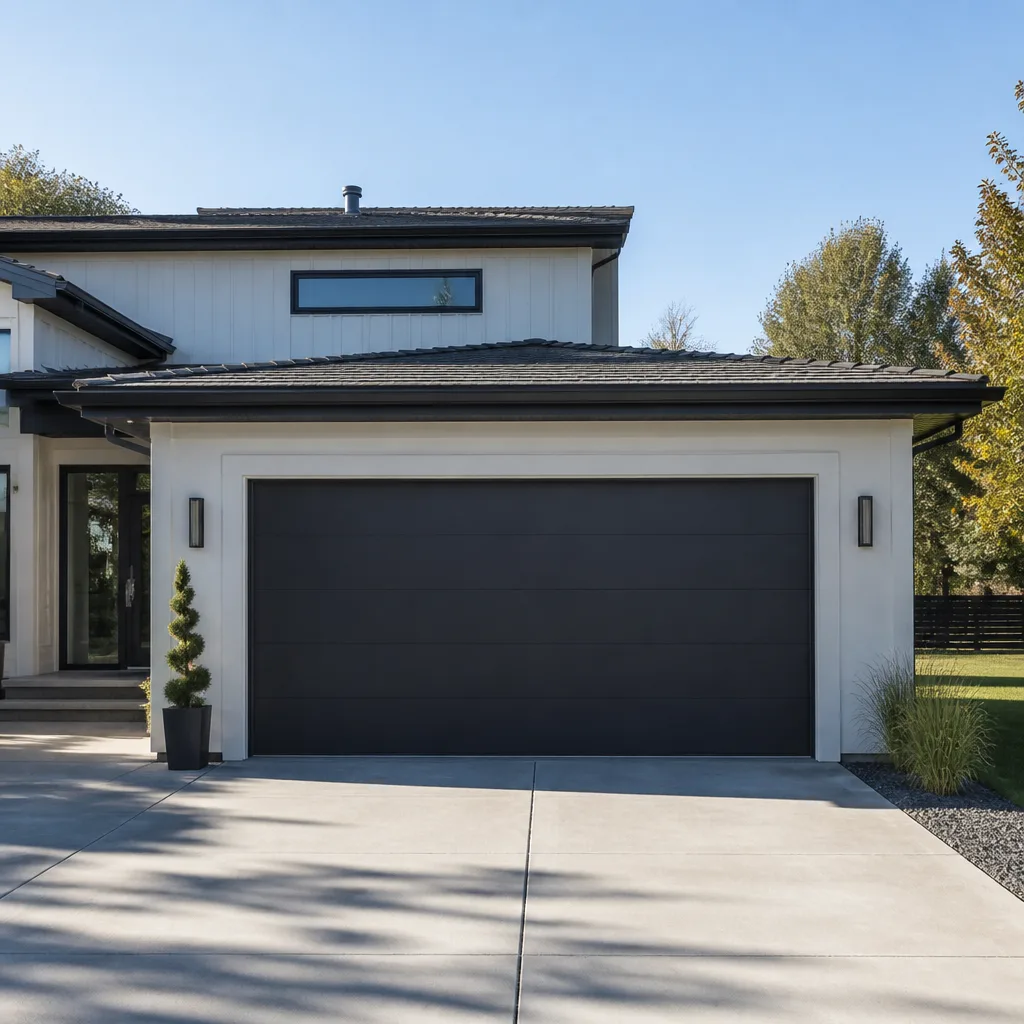
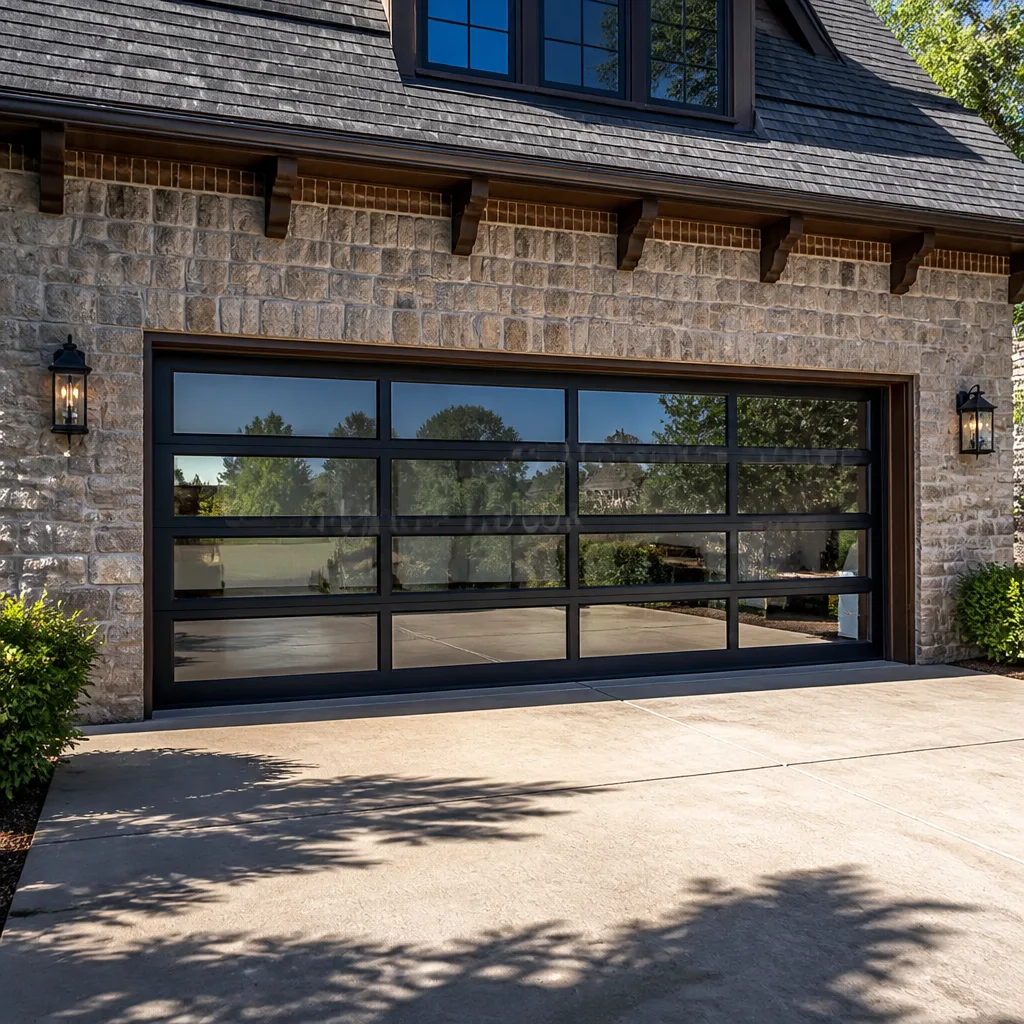
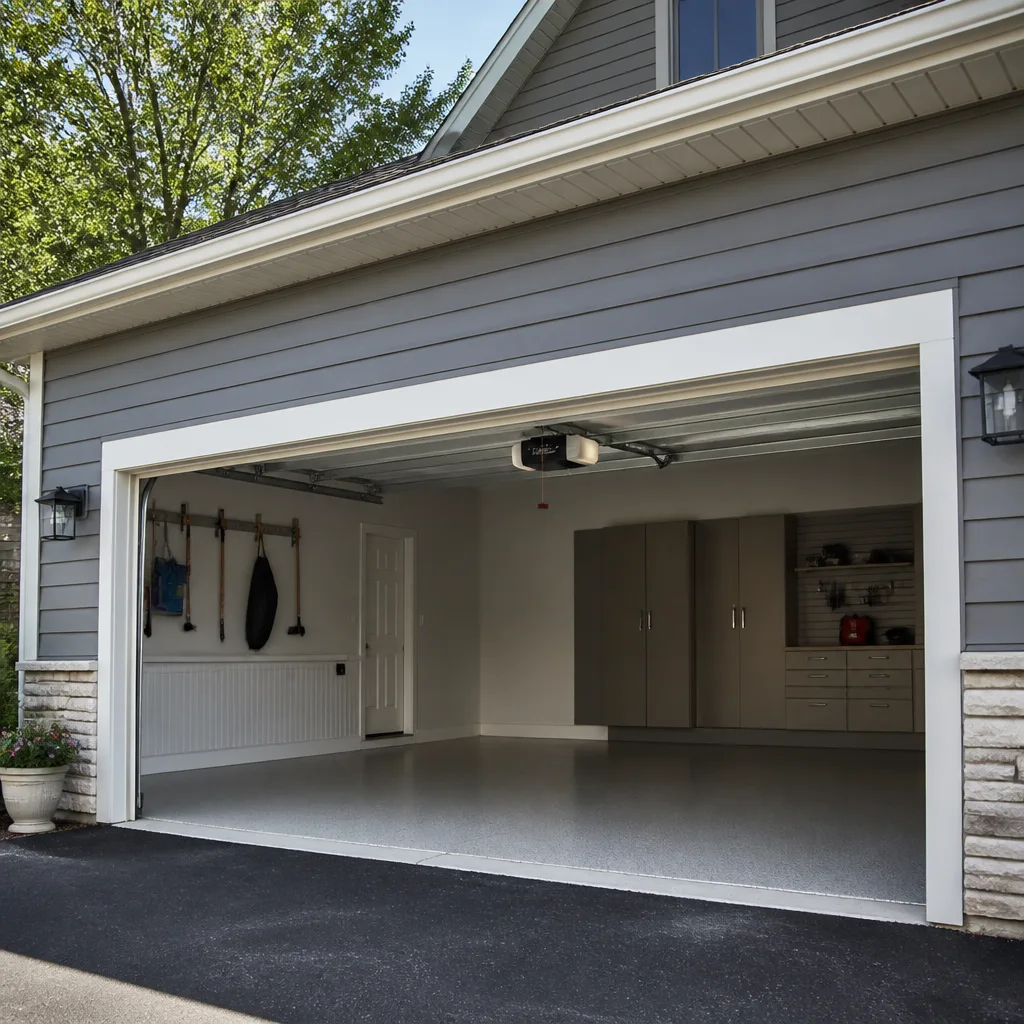
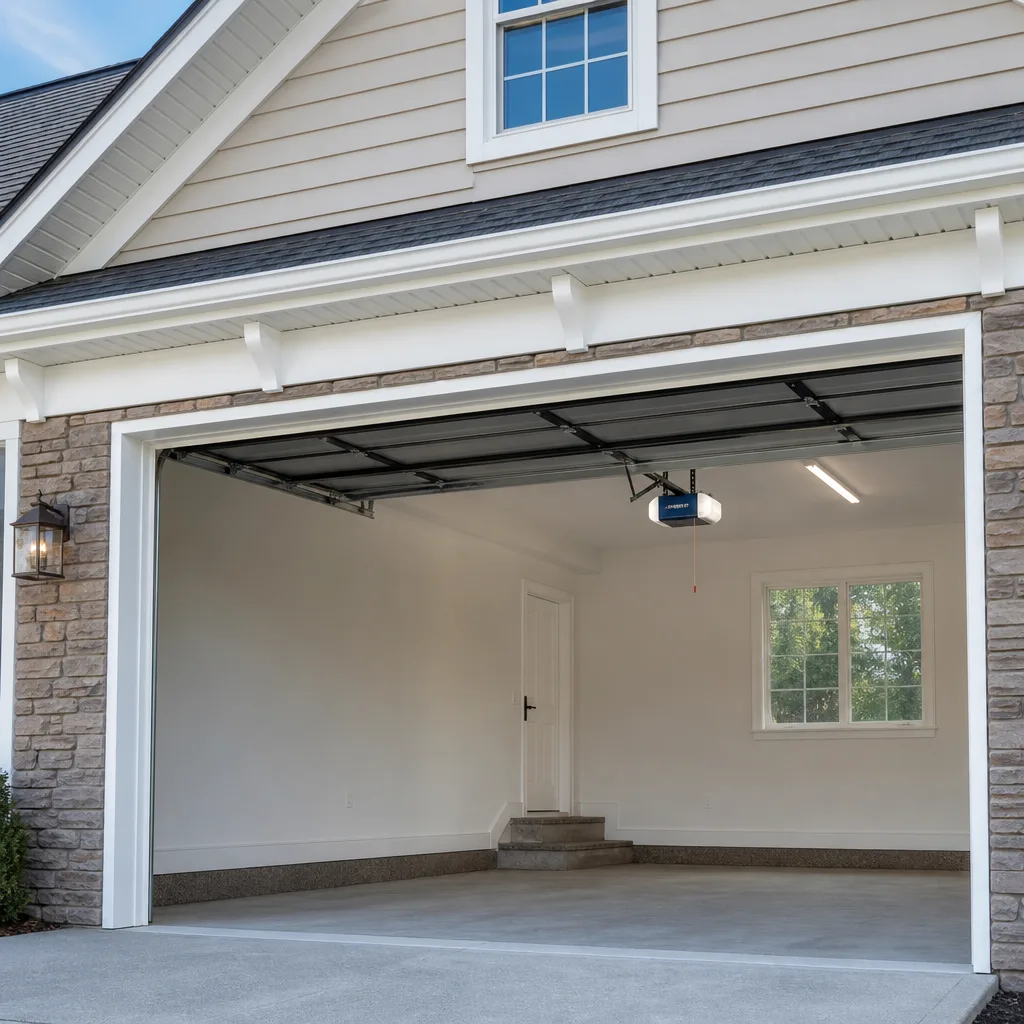
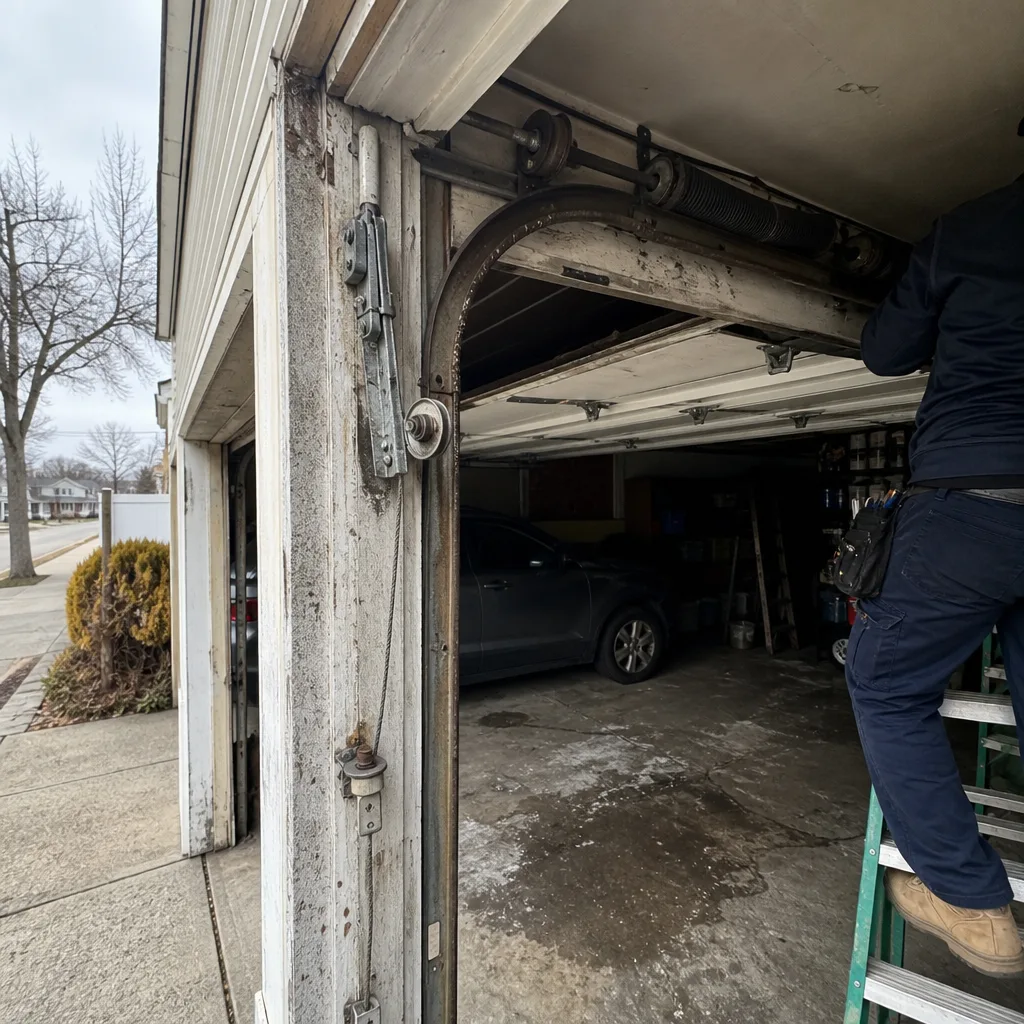 Before
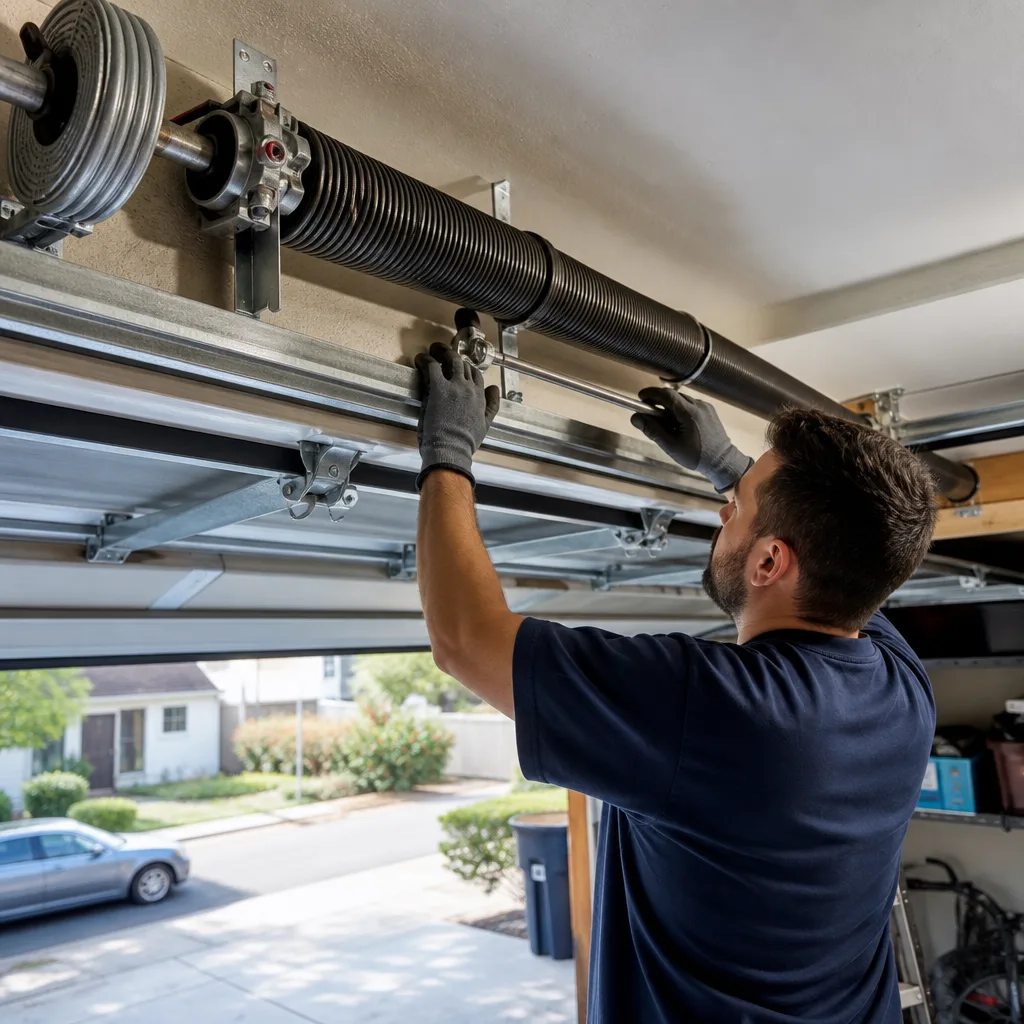 After
After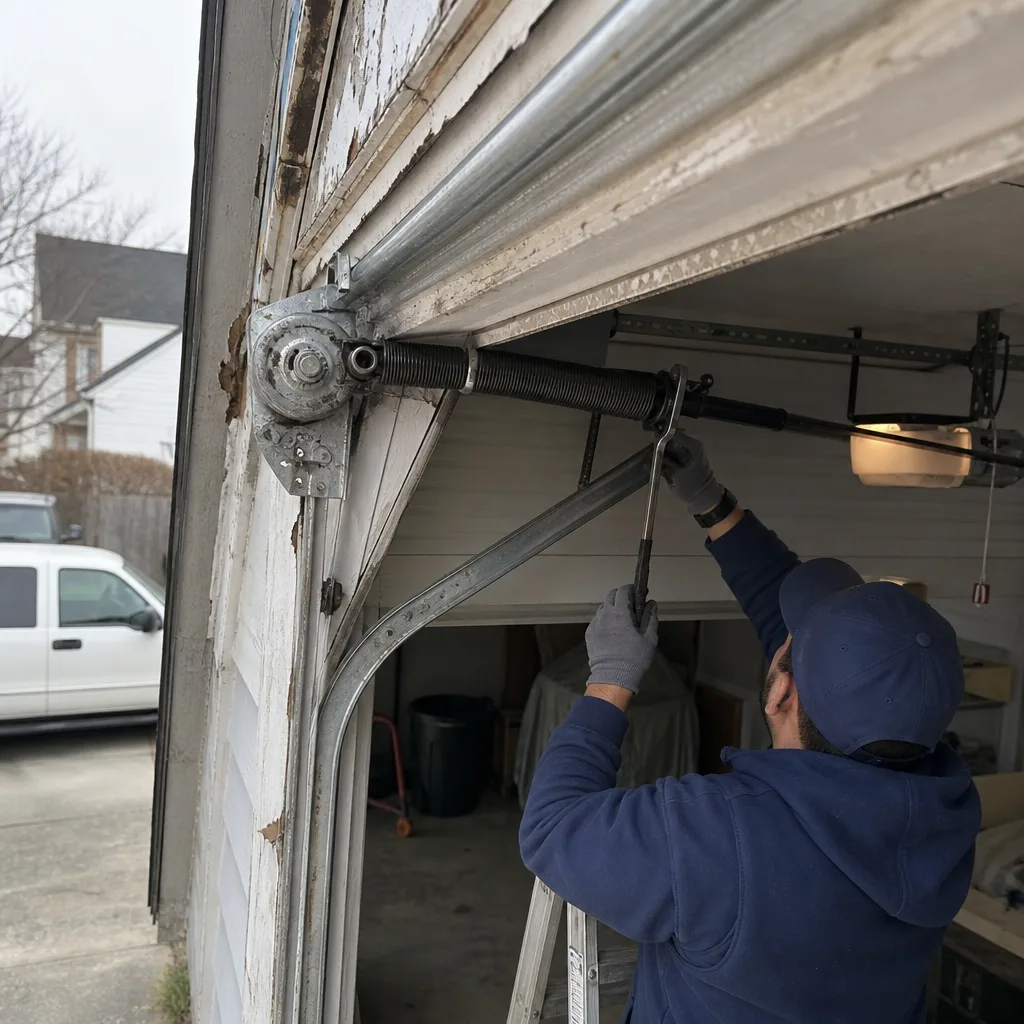 Before
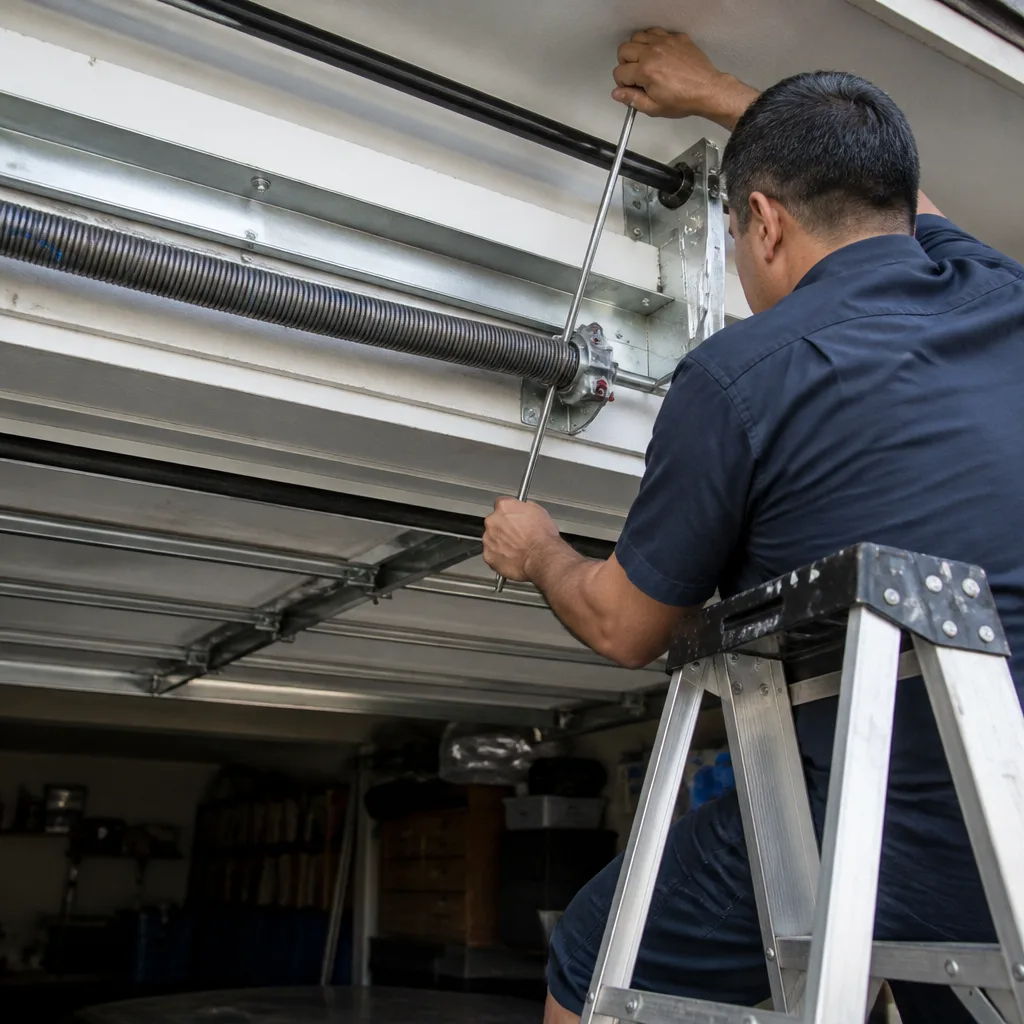 After
After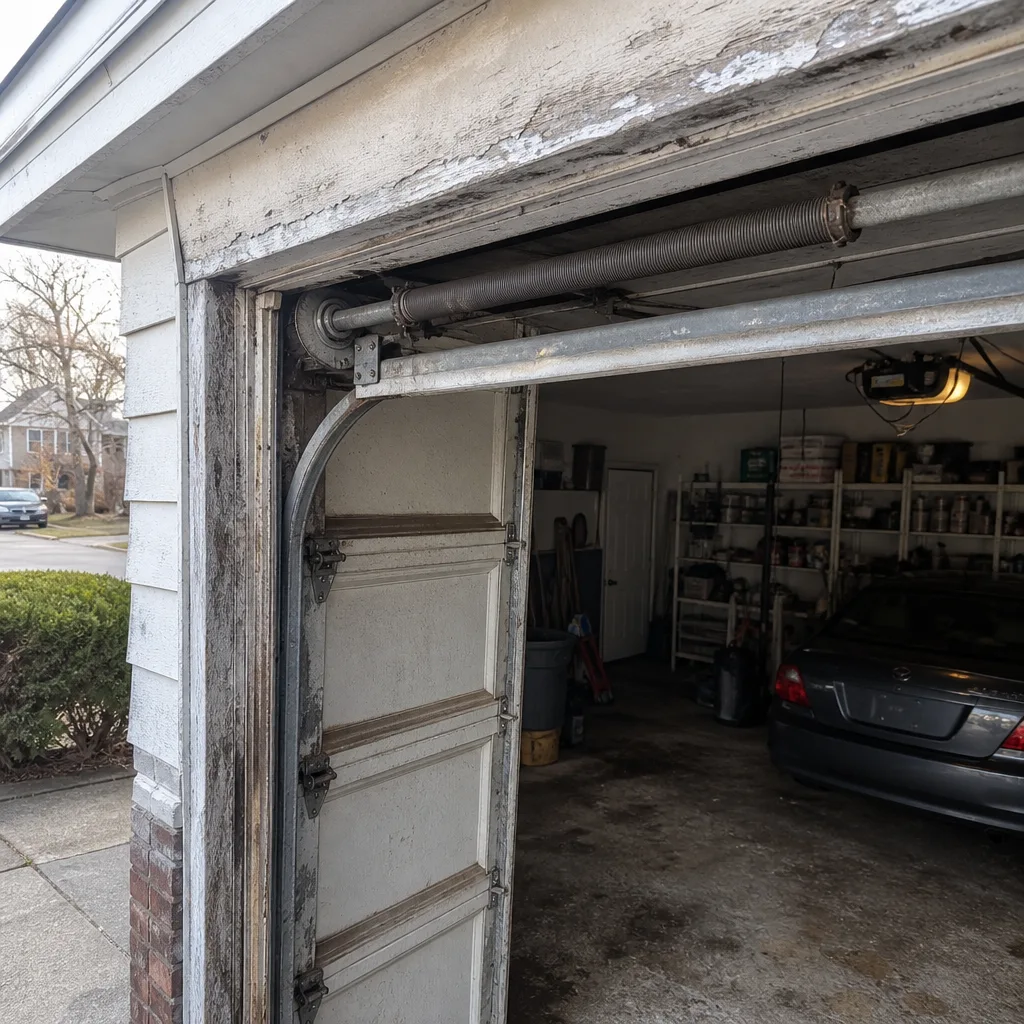 Before
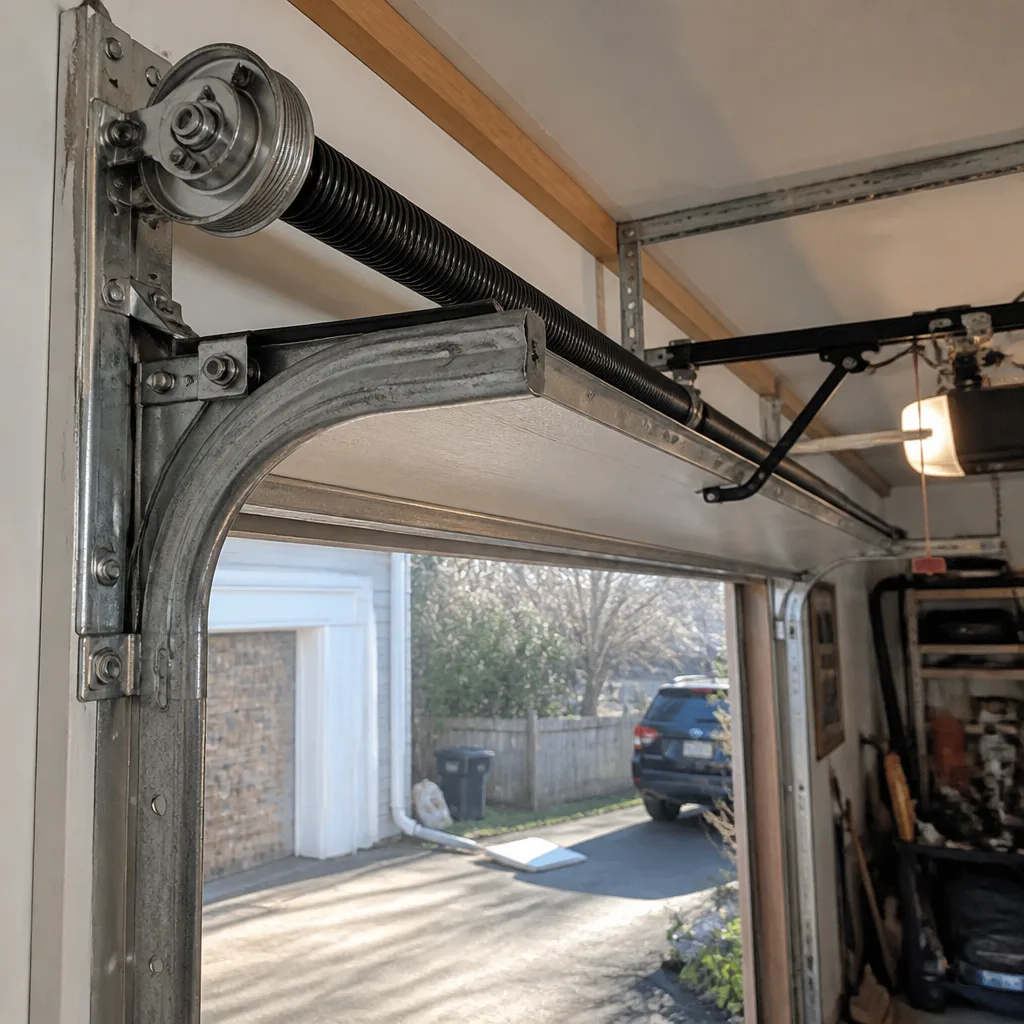 After
AfterFast, Reliable Garage Door Parts Across New York City
Garage door parts in New York City’s coastal neighborhoods fail in a predictable pattern: salt air eats torsion springs and cables first, then hinges and bottom brackets, then the bottom seal. Our team stocks corrosion-resistant replacement parts for all eight major brands and reaches most New York City ZIP codes within 90 minutes for repair calls. If your door is grinding, sagging, or refusing to lift, call (970) 536-1724 and we’ll name the failed component before we quote the replacement.
Why Servo Garage Doors Is New York City’s Preferred Garage Door Parts Company
We’ve been photographing failed components before quoting replacements since our first truck rolled in 2015. Marcus Deller built Servo on a simple rule: show the customer the broken part before asking for a dollar. That rule is now Clause 4 of The Haven Standard, and every technician who arrives at a New York City garage carries a camera and a written-price pad as standard equipment.
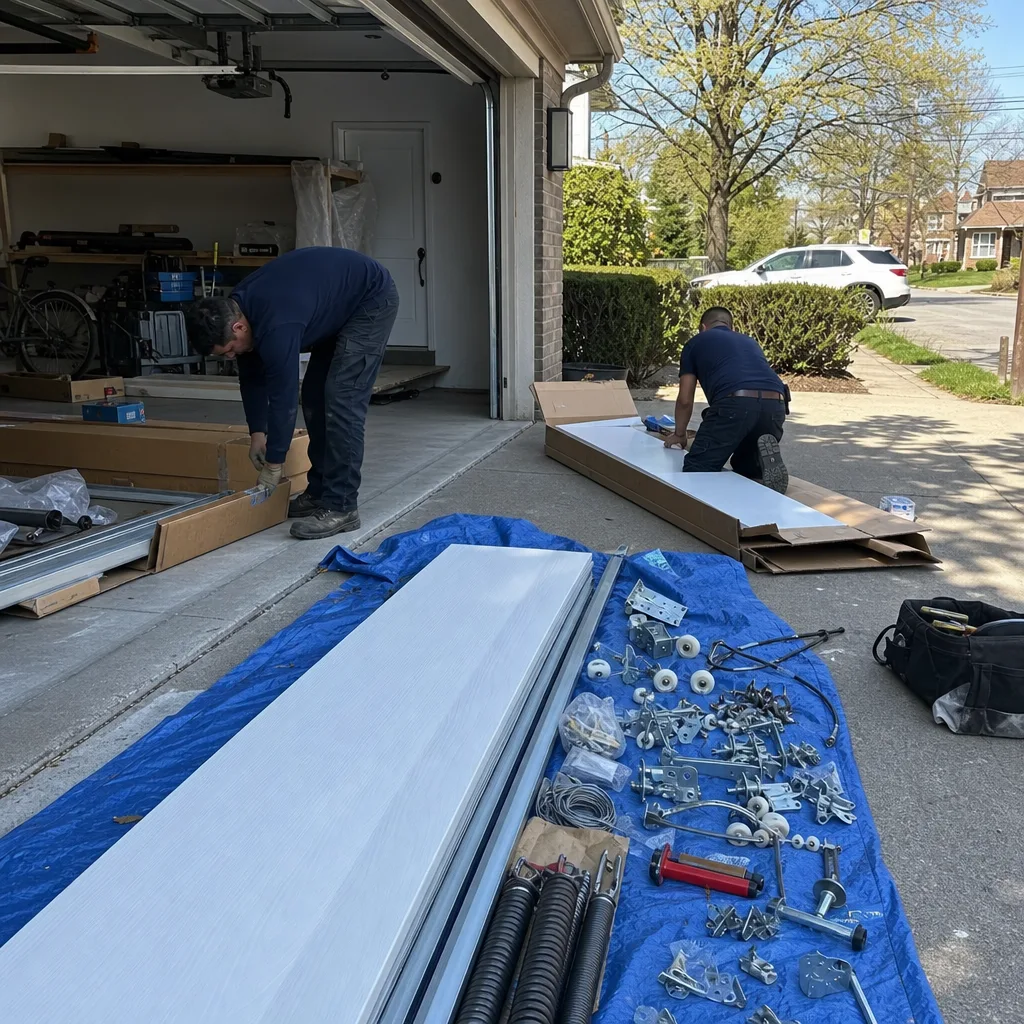
Our Garage Door Parts team knows which hardware survives in Howard Beach and which fails in Bayside, because we’ve replaced enough corroded torsion springs, seized end bearing plates, and salt-pitted cables to stock the right parts on the truck before we arrive. You get a flat, written price and a written scope before any work begins, per Clause 1, and a documented photo record when the technician leaves. No upsell, no “while we’re here” surprises, no urgency theatre.
Every call is answered by a live person, around the clock, including holidays. When a spring snaps at 2 a.m. in Canarsie, you’ll get a named technician and an on-the-way text, not a callback window. We serve New York City from our metro office, with background-checked, uniformed technicians dispatched locally across all five boroughs.
Our Garage Door Parts Services in New York City
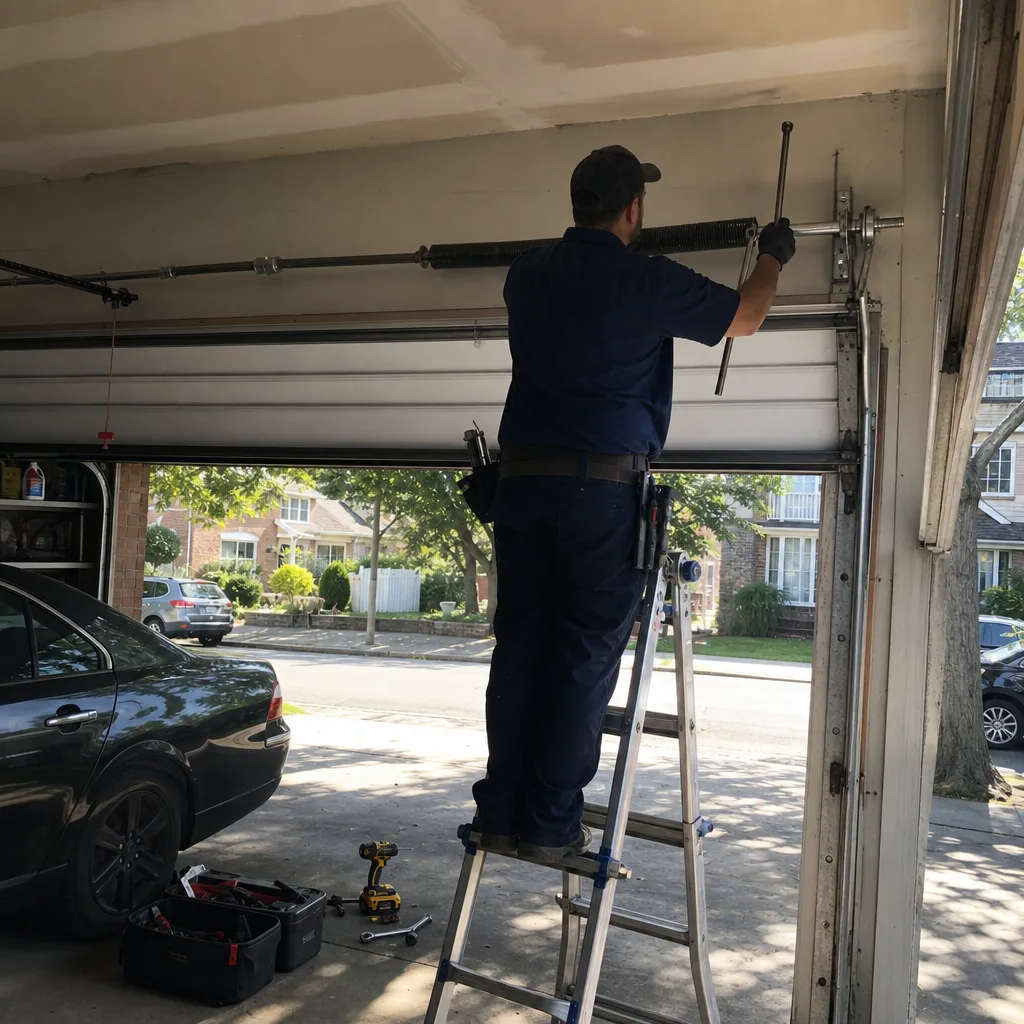
Here’s what we replace most often in New York City garages and attached spaces, and why each part fails the way it does in this climate.
Torsion Spring Replacement
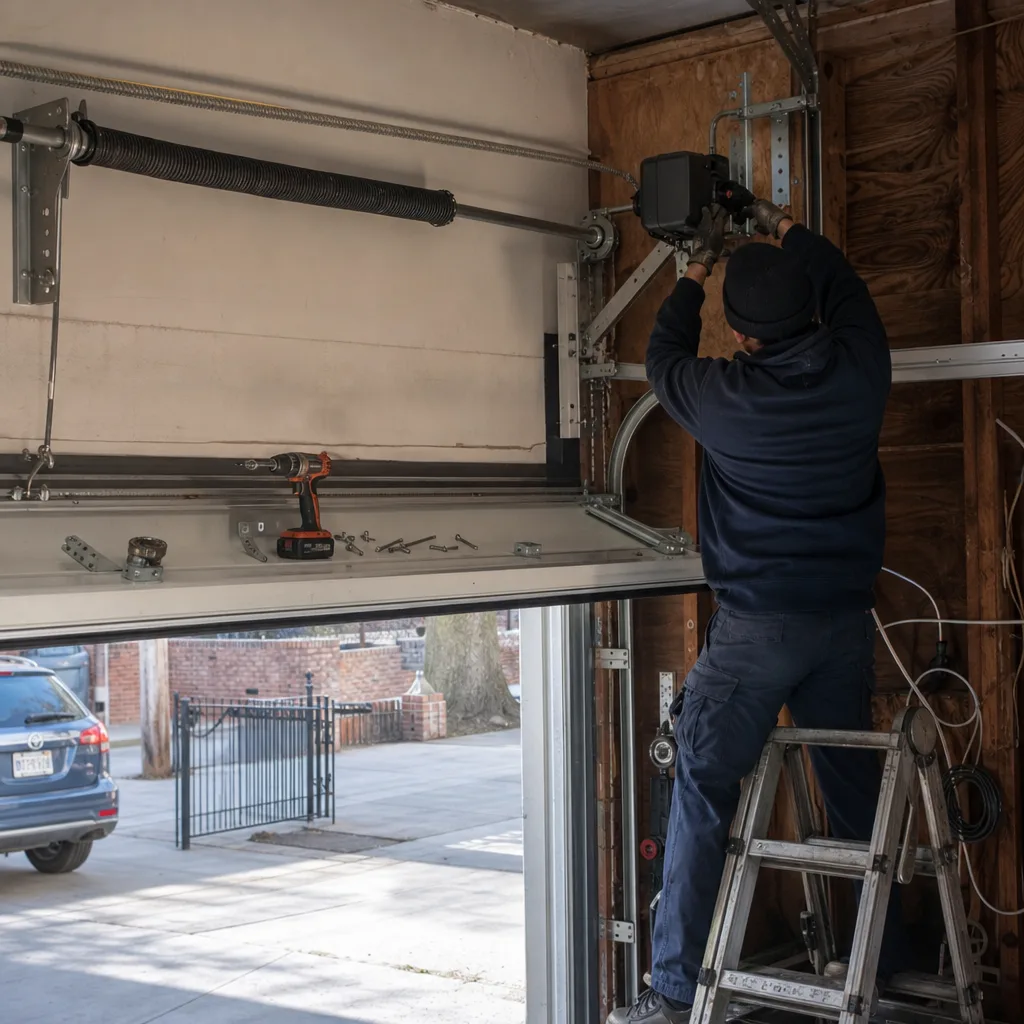
The torsion spring is the coiled steel component mounted above the door that does the actual lifting. In South Shore Staten Island and Jamaica Bay-adjacent neighborhoods, salt-air pitting on the spring coil causes snap failures years before the spring’s rated 10,000-cycle lifespan. We install 25,000-cycle corrosion-resistant springs as standard in coastal New York City ZIP codes, and we measure wire diameter and coil count before quoting so the spring matches the exact door weight.
Safety note: torsion springs are under extreme tension and can cause serious injury if mishandled. Never attempt to remove or adjust one yourself. What you can do is inspect for visible rust scaling or a gap in the coil, then call a trained professional.
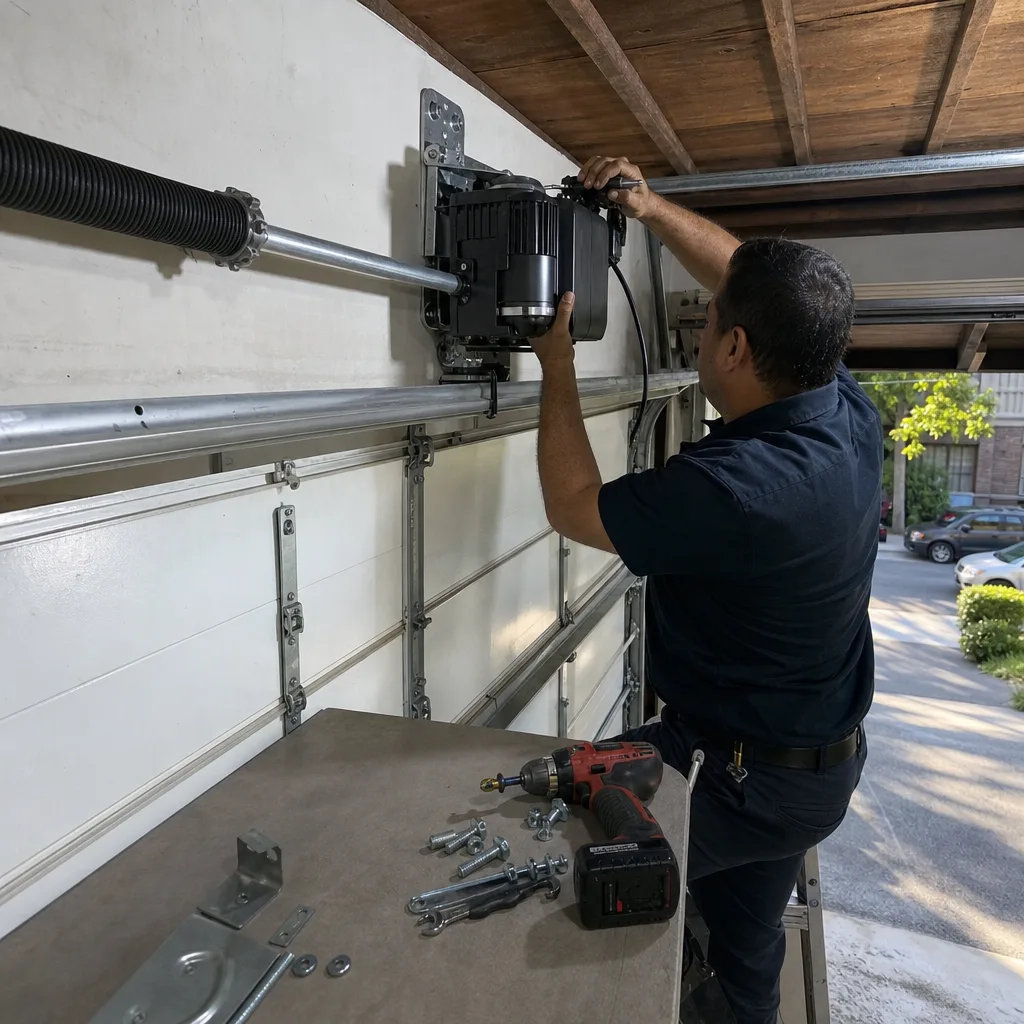
Extension Spring Replacement
Extension springs run along the horizontal tracks on either side of the door and stretch to provide lift. In zero-lot-line attached garages in Bayside and Mill Basin, nor’easter wet snow adds hundreds of pounds to sectional panels, and already-rusted extension springs snap under the extra weight. We replace them in pairs, with coated springs rated for coastal humidity.
Cables & Drums
Cables wind around drums at each end of the torsion shaft and carry the spring’s force to the door. Salt air and road-salt spray combine in tight New York City driveways to corrode cables at the drum shoulder, which is where they fray and snap. A snapped cable leaves the door hanging unevenly and can destroy panels if it drops. We replace cables and drums together, with stainless cable and drum sets in waterfront neighborhoods.
Rollers & Hinges
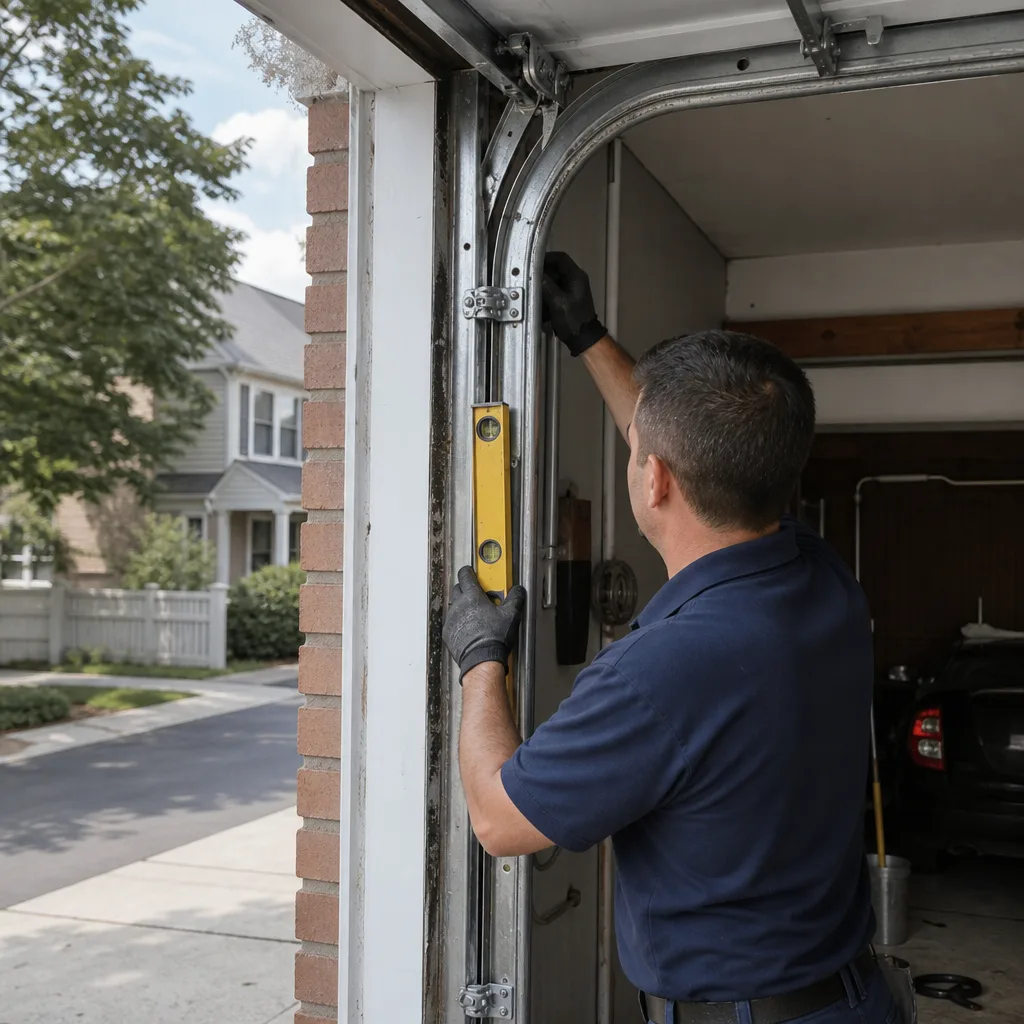
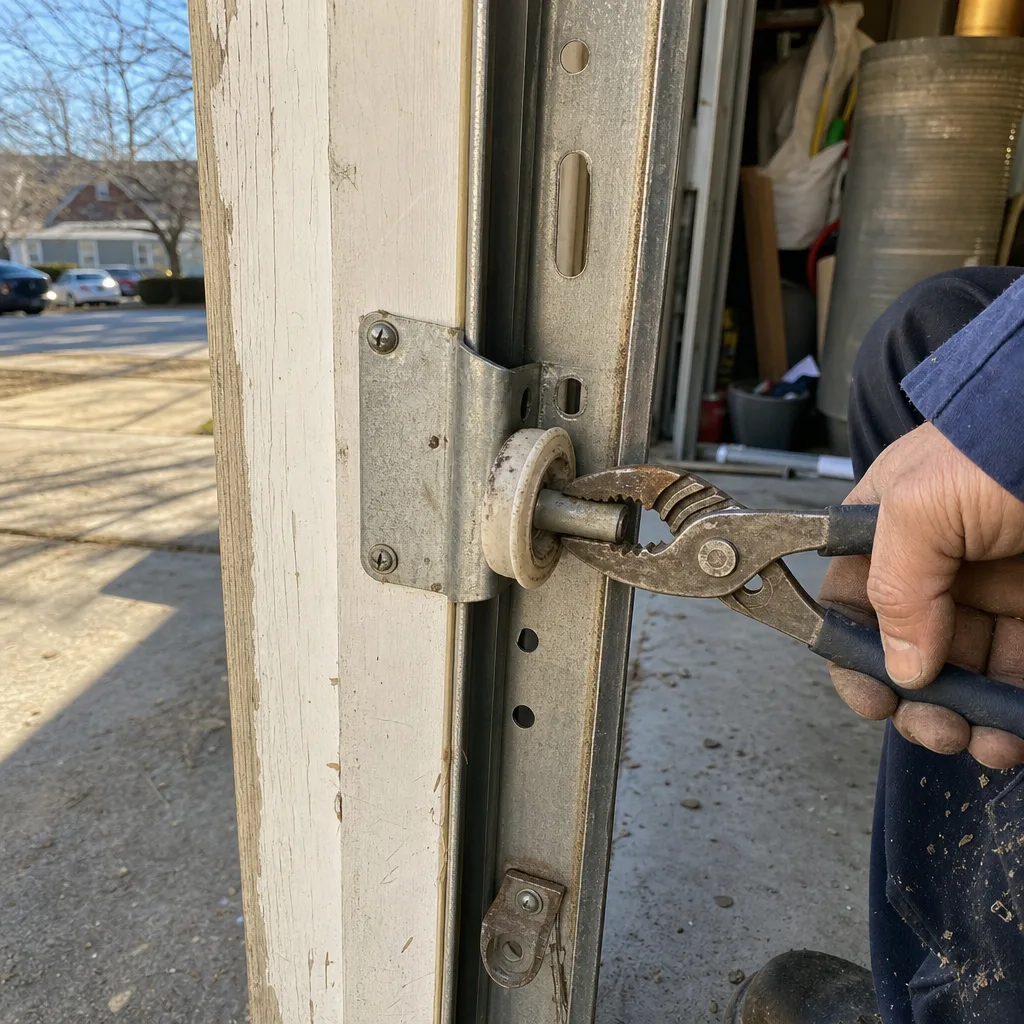
Steel rollers and hinges rust fast near the water. In Howard Beach and Broad Channel, a galvanized roller seized inside a track will eventually chew through the track itself. We replace steel rollers with sealed nylon rollers, which run quieter and resist salt corrosion, and we match hinge gauge to door weight so the corners don’t sag.
Weatherstripping & Bottom Seal
The bottom seal is the rubber strip along the door’s lower edge. In New York City flood-zone neighborhoods, especially Howard Beach and Broad Channel, standard seals crack and leak salt water into the garage. We install flood-rated bottom seals and nail-down weatherstripping designed for standing water and storm surge, not just cold drafts.
What happens when you call
- 1
A real person answersNo phone trees - you reach a local pro.
- 2
You get an upfront price rangeHonest numbers before anyone is dispatched.
- 3
A background-checked tech heads outLicensed & insured, dispatched right away.
- 4
You approve before work beginsNothing starts until you say go.
BeforeAfterTrusted Brands We Service in New York City
We carry replacement parts for LiftMaster, Chamberlain, Genie, Clopay, Amarr, Wayne Dalton, Craftsman, and Raynor. The Amarr and Wayne Dalton doors we see across Staten Island and southern Brooklyn often need brand-specific hinge profiles and drum sizes, so we stock those locally rather than ordering from a warehouse. If you have a Craftsman opener with a burned logic board or a Raynor door with a mismatched torsion shaft, our techs will identify the exact part number and quote it before any work begins. No guesswork, no “we’ll come back next week with the part.”
Common Garage Door Parts Problems We See in New York City Homes
- Salt-air pitting on torsion springs and cables. Coastal zones in South Shore Staten Island and the Rockaways see spring and cable failures three to five years sooner than inland neighborhoods. The pitting isn’t cosmetic; it creates stress points that snap under load.
- Road-salt spray on tracks and bottom brackets. Tight driveways in Howard Beach and Canarsie mean cars park inches from door tracks, and winter road salt gets flung onto the metal. Brackets corrode, tracks bind, and rollers jump the rail.
- Nor’easter snow weight on sectional panels. Heavy wet snow sits on horizontal panel sections and overstrains springs, hinges, and opener motors. In attached garages with limited headroom, this is the most common cause of a door that lifts halfway and stops.
- Flood-damaged bottom seals and hardware. Garages that took on water during Hurricane Sandy or subsequent storms still have steel hardware that rusts from the inside out. A standard seal won’t keep out standing water; a flood-rated one and stainless fasteners will.
Pricing for Garage Door Parts in New York City, NY
Part replacement in New York City runs on a flat, written-price model. You’ll know the exact dollar figure before the technician touches a bolt, and the price is quoted and agreed before any work starts. Here’s what our New York City customers can expect for the most replaced components:
| Part or Service | New York City Price Range |
|---|---|
| Torsion Spring Replacement | $210-$400 |
| Cables & Drums Replacement | $155-$295 |
| Rollers & Hinges Replacement | $130-$260 |
| Weatherstripping / Bottom Seal | $140-$285 |
What moves the price within those ranges: spring wire diameter and cycle rating, whether the door takes standard or low-headroom track, and whether stainless hardware is specified for coastal exposure. We’ll show you the failed part, explain the fix in plain terms, and hand you a written scope. Estimates are free. Call (970) 536-1724 for an exact quote.
We Also Serve Cities Near New York City
Our crews cover the five boroughs fully, and we regularly work in Brooklyn, Queens, Manhattan, and The Bronx. Emergency calls in any of those areas are dispatched by a live person at any hour, with a named technician and an ETA, not a callback window.
Serving New York City, NY - Our Local Coverage Area
We’re based in the New York City area and know this community well. Use the map below to see our service coverage - if you’re nearby, we can almost certainly help.
FAQs - Garage Door Parts in New York City
Howard Beach sits in a low-lying Jamaica Bay flood zone where salt air and storm-surge moisture combine to pit torsion spring steel within one to two seasons. A spring rated for 10,000 cycles in inland Queens typically snaps at 4,000 to 6,000 cycles in Howard Beach unless it’s a corrosion-resistant 25,000-cycle spring. We spec those springs as the baseline in Howard Beach, not an upsell. Call (970) 536-1724 and we’ll tell you what’s on your door now and what it should be.
Yes. Standard bottom seals are designed to block drafts and light rain, not standing water or storm surge. A flood-rated bottom seal uses a heavier extrusion that maintains contact with the threshold under hydrostatic pressure, paired with nail-down weatherstripping and stainless fasteners. In Staten Island’s South Shore flood zones, this is the difference between a dry garage and a rusted track assembly within two years.
No. The torsion spring does the lifting; the opener motor is only there to guide the door along the track. When a spring rusts and loses tension in Rockaway Beach, the motor works harder until the logic board burns out or the gear strips. If your opener is straining or the door moves unevenly, the spring is almost always the problem. We’ll verify it in person and quote a replacement before any electrical work is considered.
Yes, and they’re the standard we install in waterfront New York City neighborhoods. Sealed nylon rollers have internal ball bearings protected from salt moisture, run quieter than steel, and won’t rust to the track the way galvanized steel rollers do in Broad Channel or Howard Beach. They typically add $35-$60 to a roller replacement job and outlast steel rollers by several seasons in coastal air.
Extension springs fail most often after a nor’easter in New York City. The wet snow adds hundreds of pounds of weight to sectional panels, and the springs, already weakened by years of coastal humidity or road-salt exposure, snap under the added load. The second most common failure is a snapped cable at the drum, usually because the spring failed and shifted the load. If your door won’t lift after a storm, call (970) 536-1724 and we’ll identify the exact failed part before quoting.
One Local Insight That Changes Everything
In Howard Beach and Broad Channel, Queens, neighborhoods that flooded during Hurricane Sandy and again in later storms, standard galvanized hardware on a garage door fails within two to three seasons. Not ten, not fifteen. Two to three. Salt water gets into the hinge pins, the spring coils, the cable strands, and the bottom bracket bolts, and then it sits there. That’s why our crews default to stainless or powder-coated components in those ZIP codes as a baseline, not an upsell. A door with standard steel hardware in Howard Beach will be back in failure before the paint on the replacement parts has faded.
Our tech replaced a corroded torsion spring and frozen end bearing plates on a Chamberlain opener in a Howard Beach attached garage that had taken on three feet of salt water during a nor’easter. We installed a 25,000-cycle corrosion-resistant spring, stainless cables and drums, and a flood-rated bottom seal, then rebalanced the door. It went from a creaking, half-open failure to a smooth 150-pound lift in under two hours. That’s the standard every New York City garage gets: parts specified for the actual environment, photographed and documented, priced before we start.
The information on this page answers the question nobody else does: exactly which garage door parts to upgrade for salt-air and flood exposure in specific NYC coastal ZIP codes. Not generic advice. Not “we service all areas.” Part-by-part, neighborhood-by-neighborhood guidance for the coastal failure patterns that inland garage door companies never see.
If your garage door is making noise, sagging, or refusing to lift in New York City, call (970) 536-1724. We’ll send a background-checked technician from our New York City office, show you the failed part, and hand you a written price before any work begins.
Written by Marcus Deller, Owner at Servo Garage Doors, serving New York City since 2015.
Garage Door Parts in Nearby Areas