
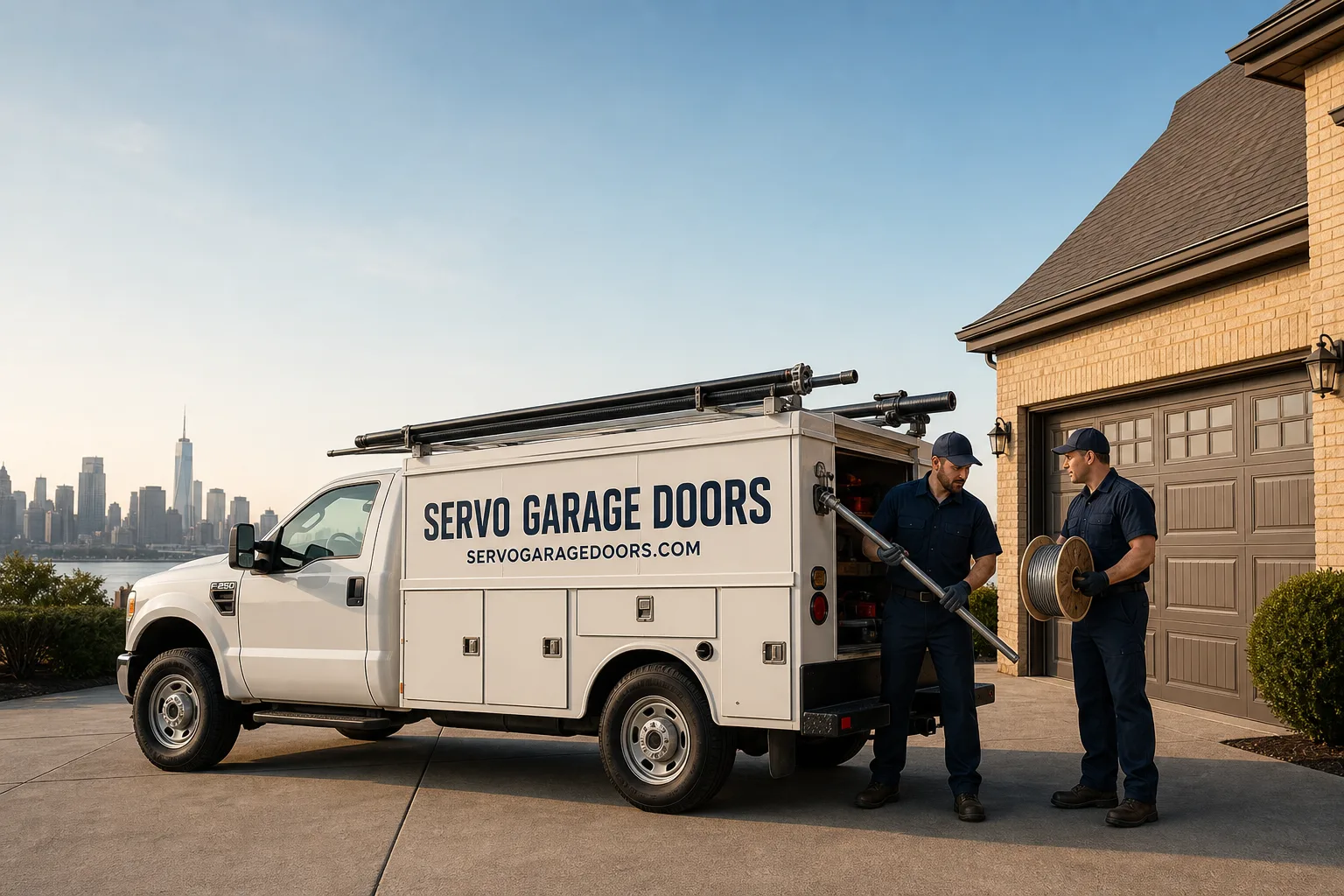
Full 25-point door and opener safety check with every visit - springs, cables, rollers, tracks, and your LiftMaster or Chamberlain opener included
You get a price before we start. It does not change when the truck arrives.
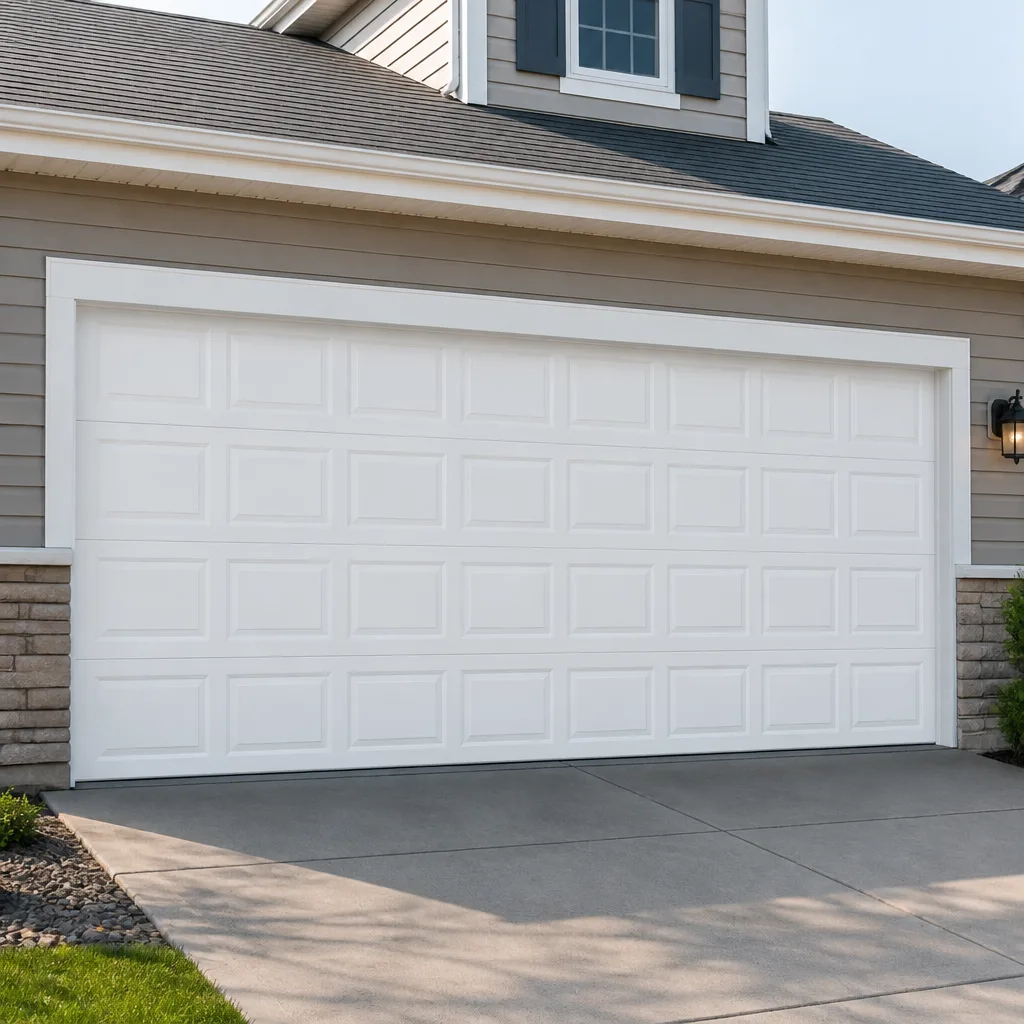
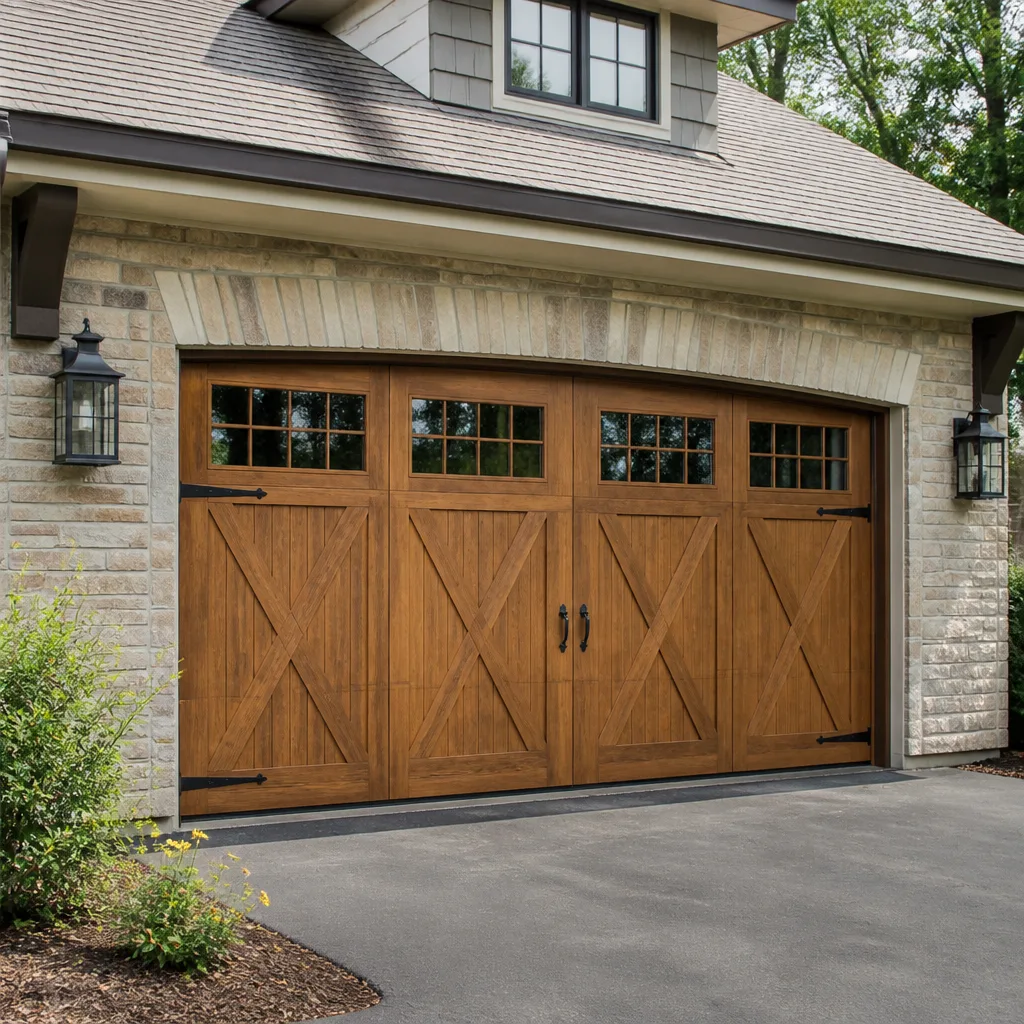


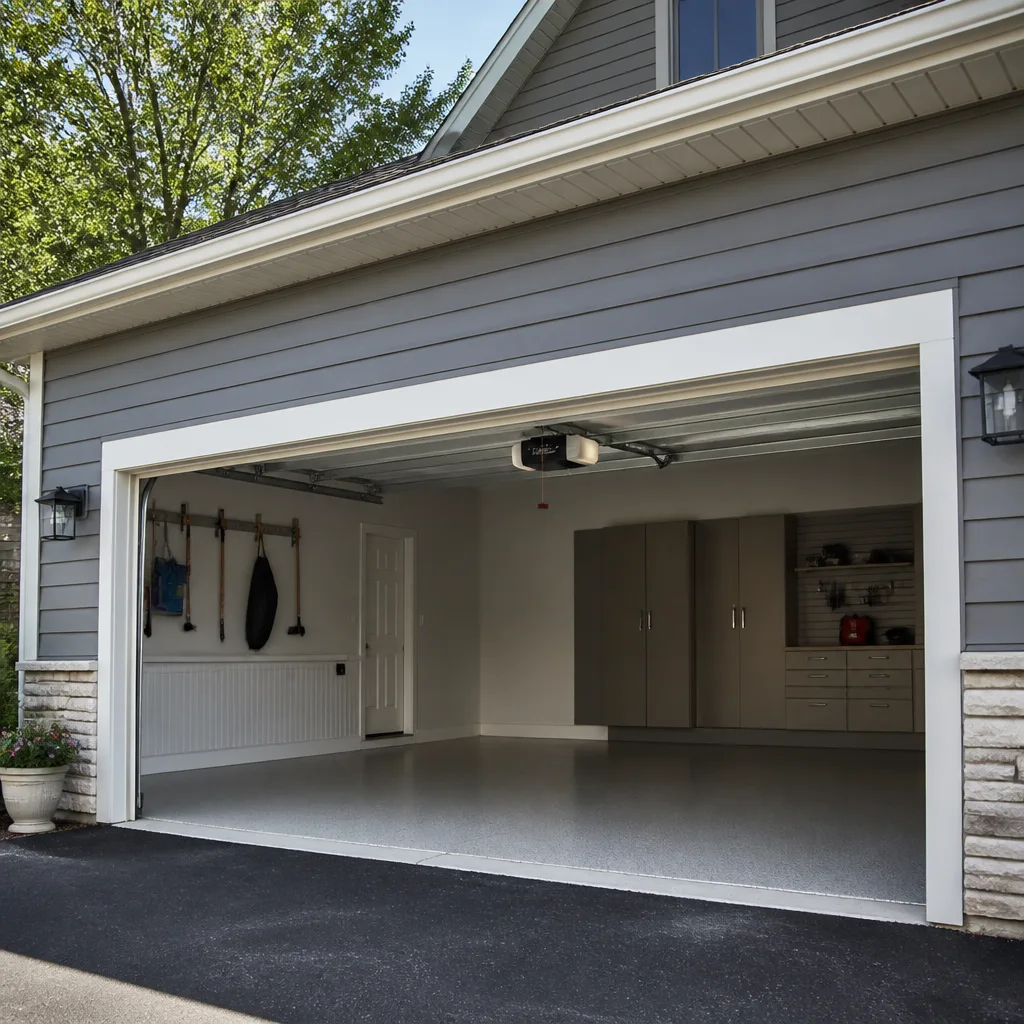
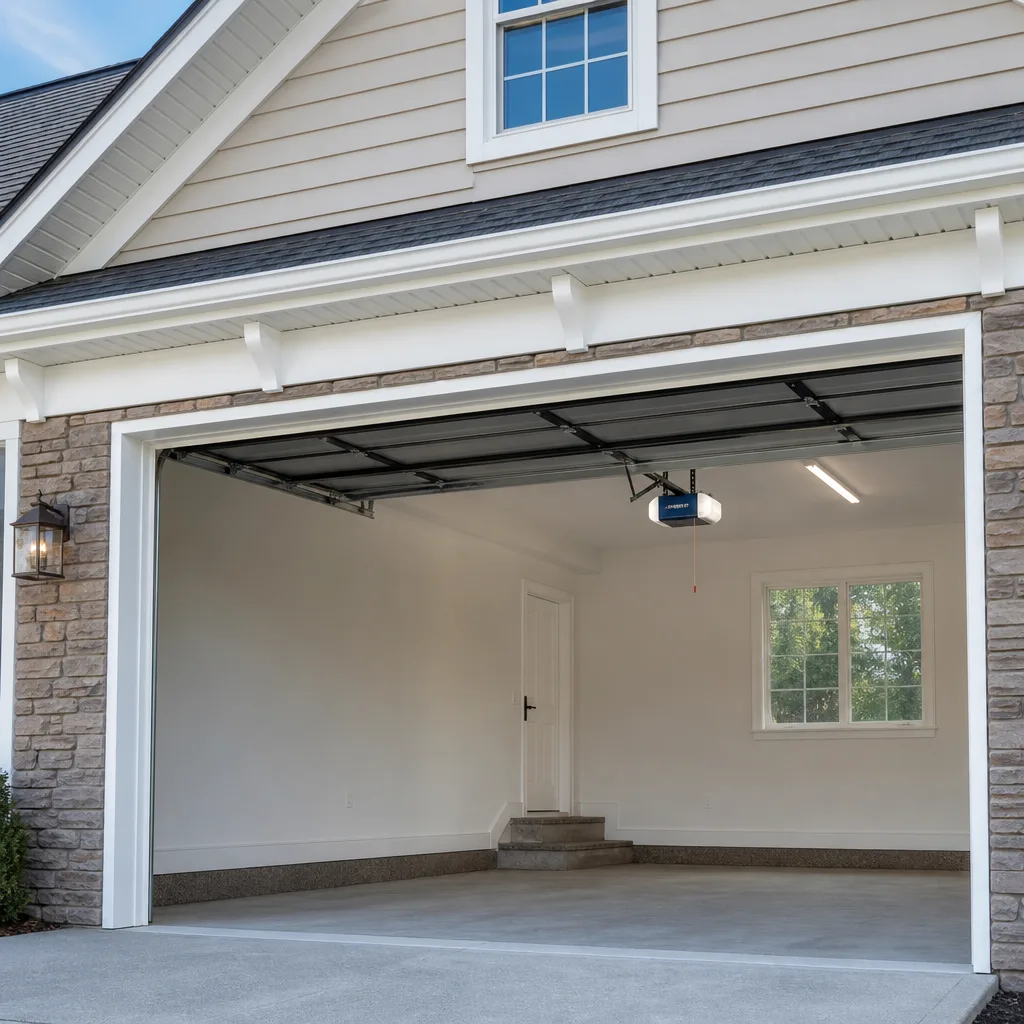
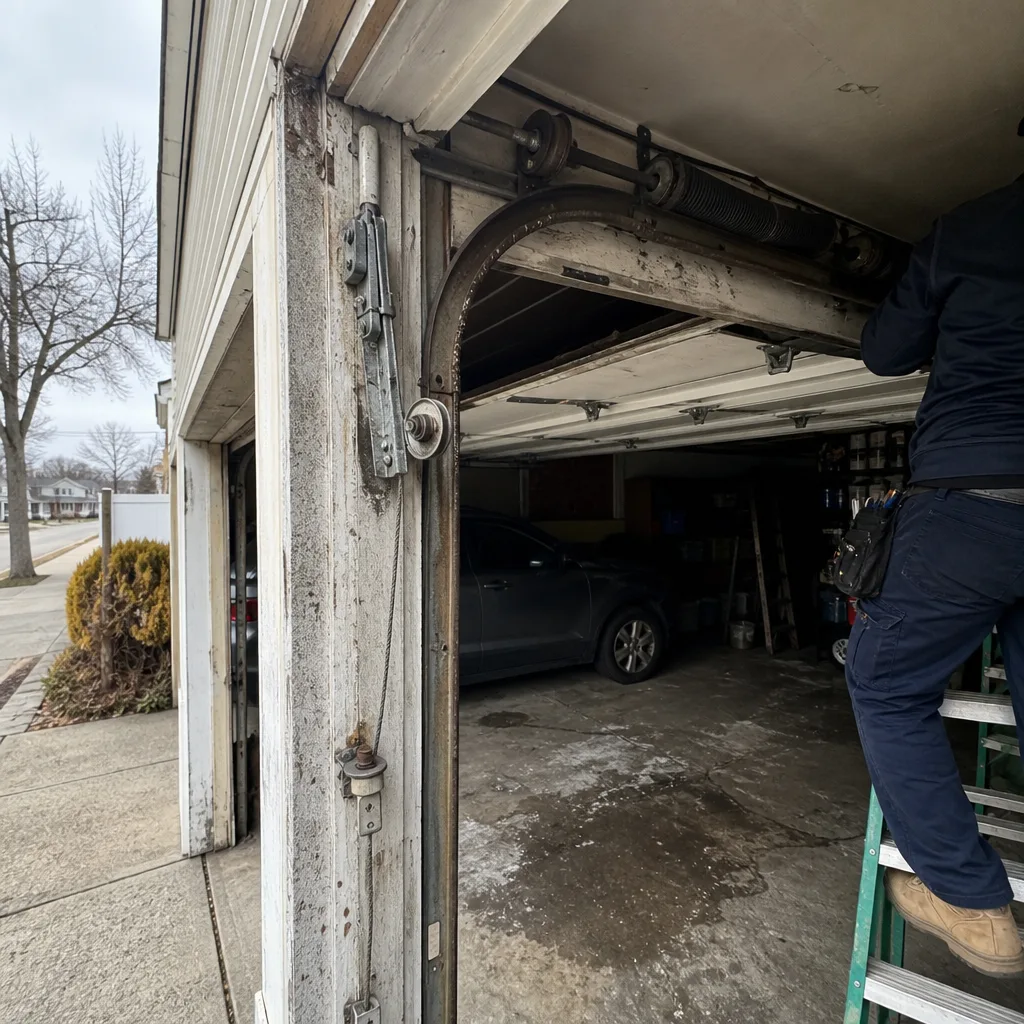 Before
 After
After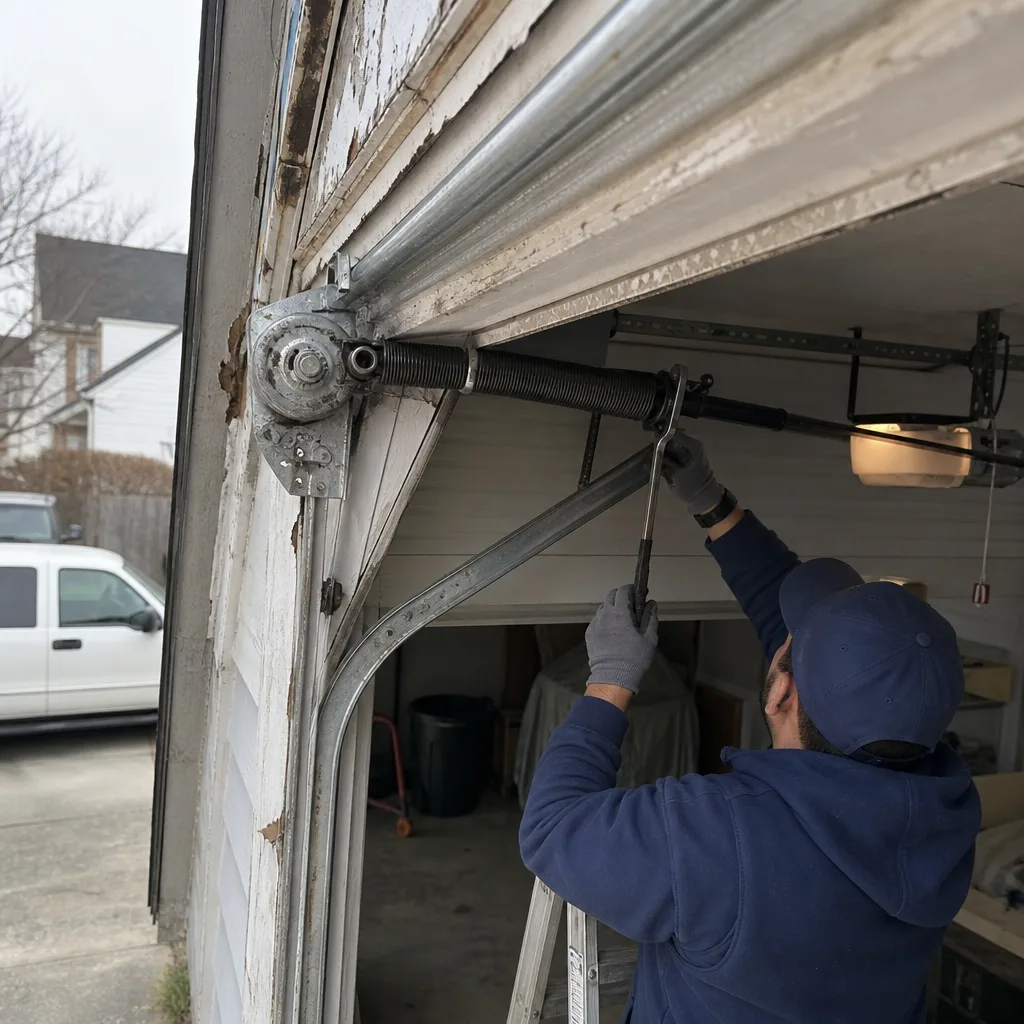 Before
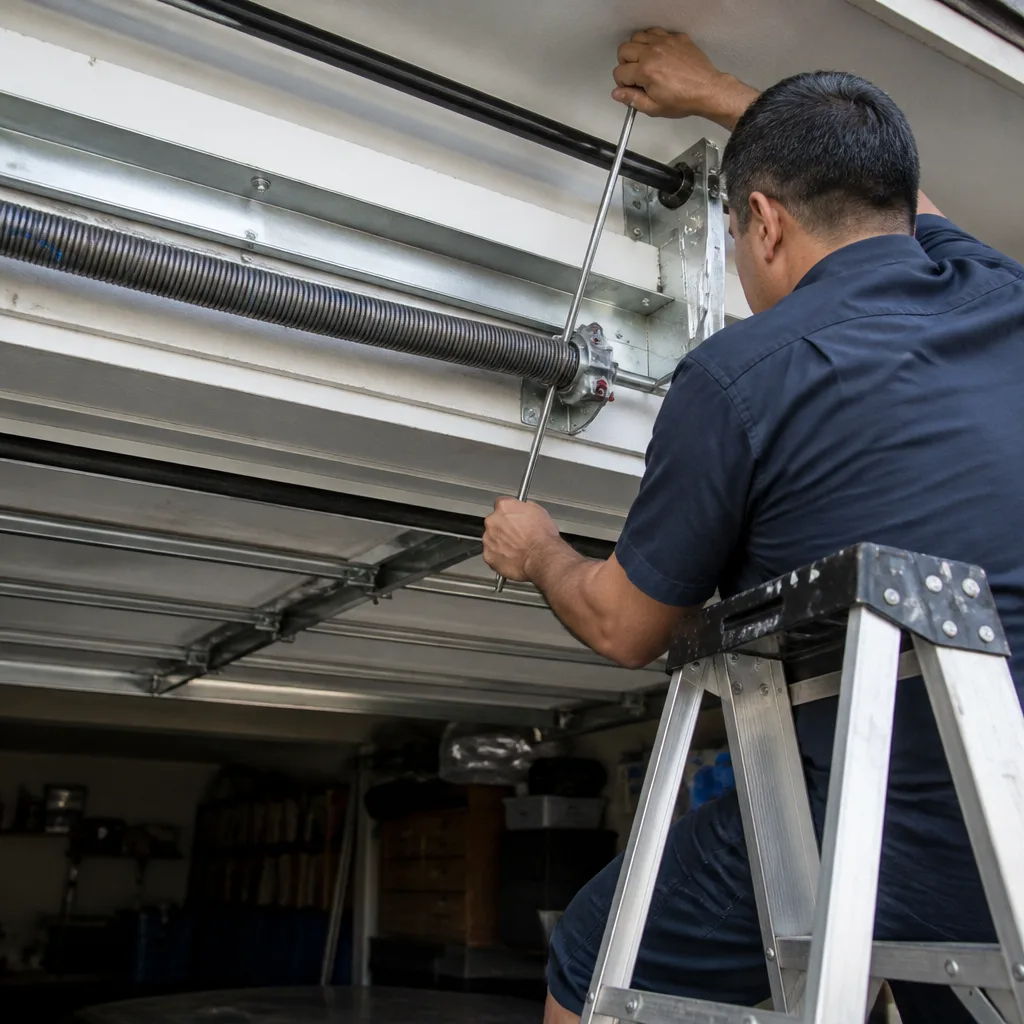 After
After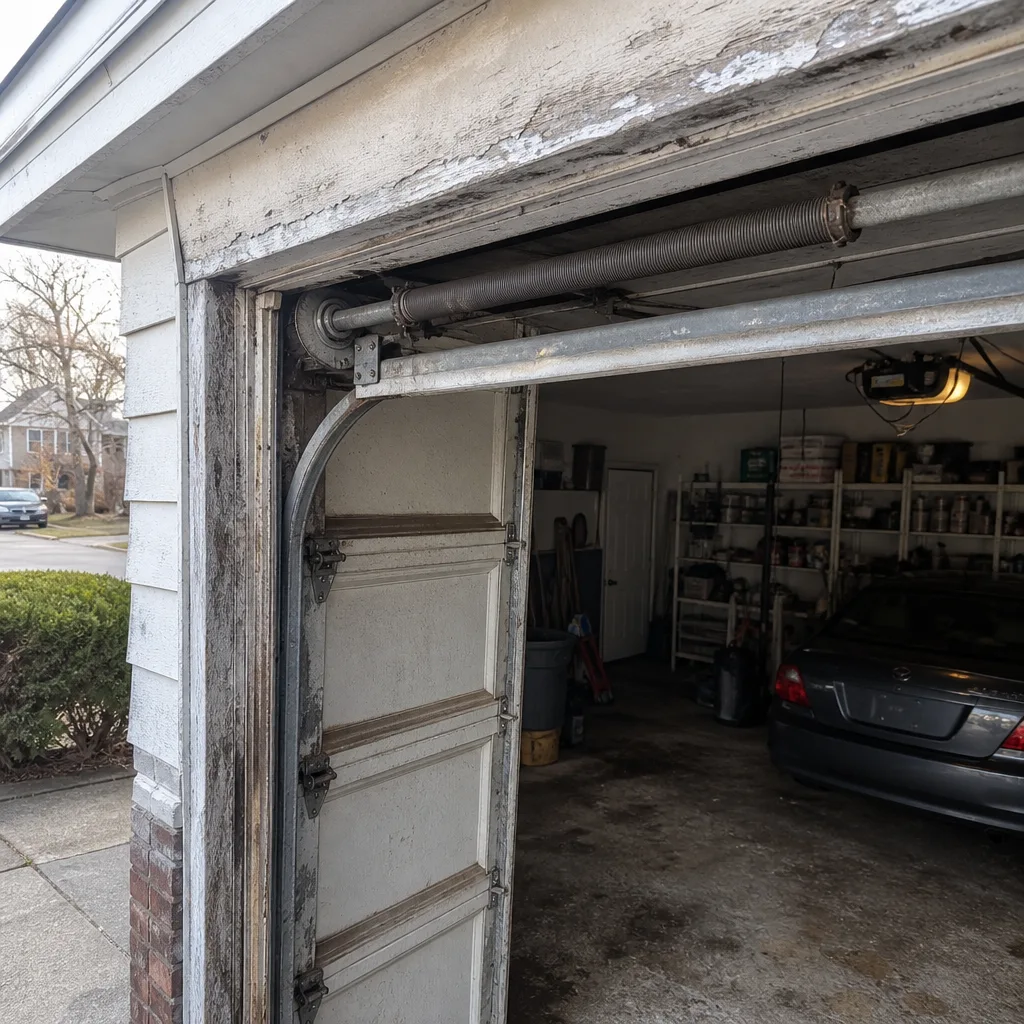 Before
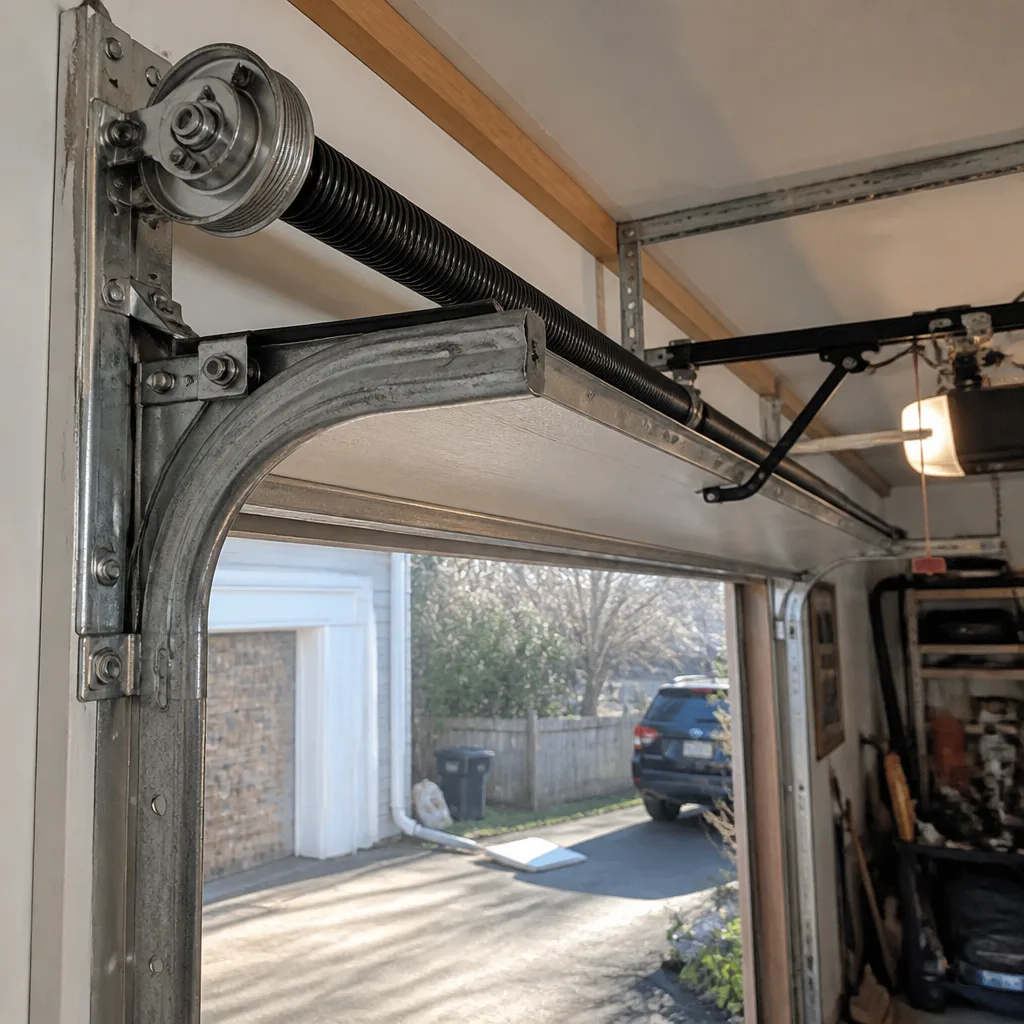 After
AfterBroken Garage Door Spring
A broken garage door spring means the door cannot move safely under its own lifting system. If you heard a loud bang from the garage and the door won’t go up – or it went up a few inches and stopped – a spring has almost certainly failed. Stop using the door. Call your local Servo Garage Doors team at (970) 536-1724.
What’s Happening
The door is fine. It is the spring that is finished. Garage door springs carry the full weight of the door every time it moves, and when one breaks, the opener or your arms are suddenly lifting dead weight they were never designed to handle alone. This is not a “limp along for a few days” situation – a broken spring puts real strain on the opener motor, the cables, and the hardware that holds everything together.
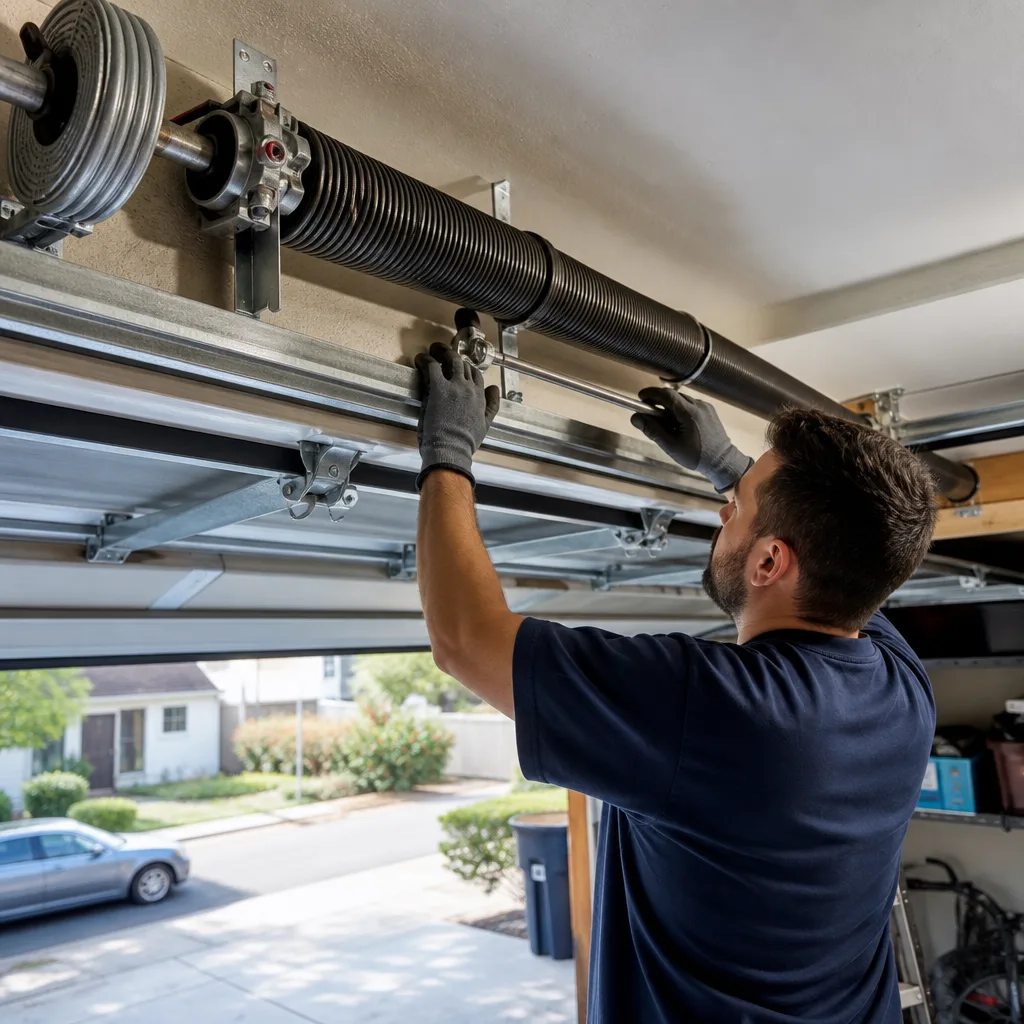
Most residential garage doors use either torsion springs (mounted horizontally on a bar above the door opening) or extension springs (the long springs running along each side track). Both do the same job: counterbalance the door’s weight so a modest motor – or one hand – can move it. When either type snaps, the lifting system loses its counterbalance and the door either won’t move at all or moves dangerously unevenly. The noise alone is usually what sends people out to the garage to investigate – a broken torsion spring sounds like a gunshot inside an enclosed space.
Why It Happens
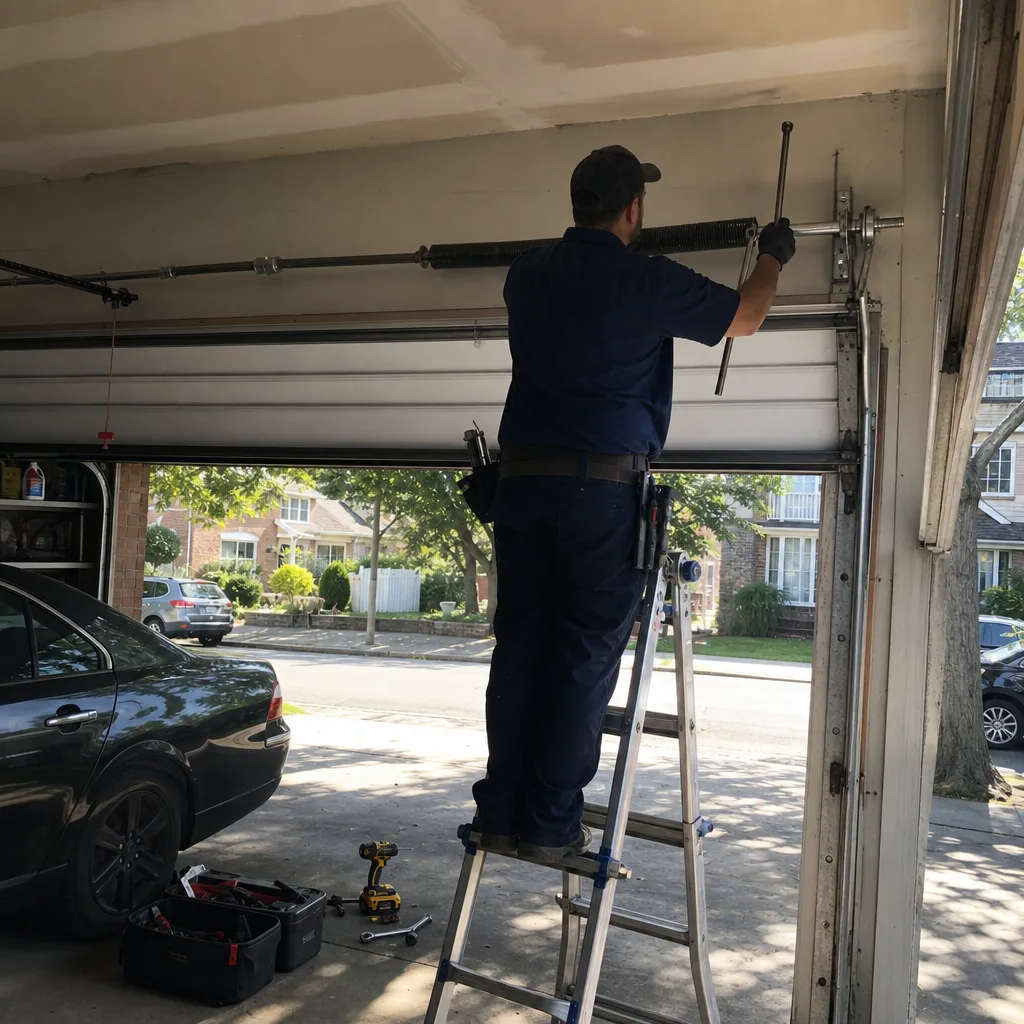
Cycle Fatigue – the Most Common Cause by Far
Every spring is rated for a certain number of open-and-close cycles – standard residential springs typically carry a 10,000-cycle rating. A household that uses the door four times a day hits that ceiling in about seven years. When a spring reaches end-of-cycle life, it doesn’t announce it – it just snaps, usually when the door is in motion or sitting fully closed. If your door is more than six or seven years old and a spring failed without any obvious impact or event, cycle fatigue is the most likely explanation.
Corrosion and Rust
Steel springs in humid climates, near coastal air, or in garages with poor ventilation rust from the inside out. The coils lose flexibility before they lose their visible shape, so a rusted spring can look intact right up until the moment it breaks. You can often spot early corrosion as reddish-brown streaking along the coils or flaking on the garage floor directly beneath the spring bar. A spring that makes a grinding noise during operation is usually telling you the coils are binding against each other – rust is the most common reason.
Improper Spring Size or Tension
A spring that was installed at the wrong tension – or replaced with a spring sized for a lighter door – wears out faster than it should because it’s working harder on every cycle. If your door has been serviced before and the spring life seems shorter than expected, the replacement spring may not have been matched correctly to the door’s actual weight. A technician can verify this at the time of diagnosis by checking the spring specs against the door weight.
Physical Damage or Interference
Less common but worth knowing: a spring can fail early from a single impact event – something striking the door hard enough to send a shock through the hardware, or a cable that jumped its drum and put uneven load on one spring. If the failure happened alongside a sudden jolt to the door (vehicle contact, a hard wind catch, a cable off the drum), the spring itself may have been sound before that event. Mention this to the technician when they arrive – it changes what else they inspect.
BeforeAfterWhat to Do Right Now
- Stop using the door immediately. Do not operate it manually or with the opener. A door with a broken spring is carrying its full weight unsupported – if a cable slips or the opener strains past its limit, the door can drop fast. This is the single most important step.
- Look, don’t touch the spring hardware. You can safely look at the spring from a few feet away to confirm whether it’s visibly separated or broken. Do not attempt to rewind, adjust, or reconnect a torsion spring under any circumstances – torsion springs store hundreds of foot-pounds of energy and releasing that energy incorrectly causes serious injuries. This is genuinely dangerous work that requires a winding bar, the right training, and a clear understanding of what you’re doing. Leave it alone.
- Photograph what you can see. Take a clear photo of the broken spring and the area around it – both sides of the door if possible. This gives your technician a head start and creates a before-record that pairs with the documented photo evidence Servo provides on every visit.
- Check whether you can release the emergency cord safely. If your car is trapped in the garage and you need it, the red emergency release cord disconnects the door from the opener. With a broken spring, the door is heavy – do not attempt to lift it manually by yourself. If you must open it, have a second person help you support it, raise it only enough to clear the vehicle, and do not leave it in the raised position unattended.
- Call your local Servo Garage Doors team at (970) 536-1724. Live coverage is available 24 hours a day, every day – a real person answers, not a recording. Tell them the spring is broken, whether the door is fully closed or partially open, and whether you have a torsion bar or extension springs (if you know). That information helps the technician arrive with the right parts.
How We Fix It
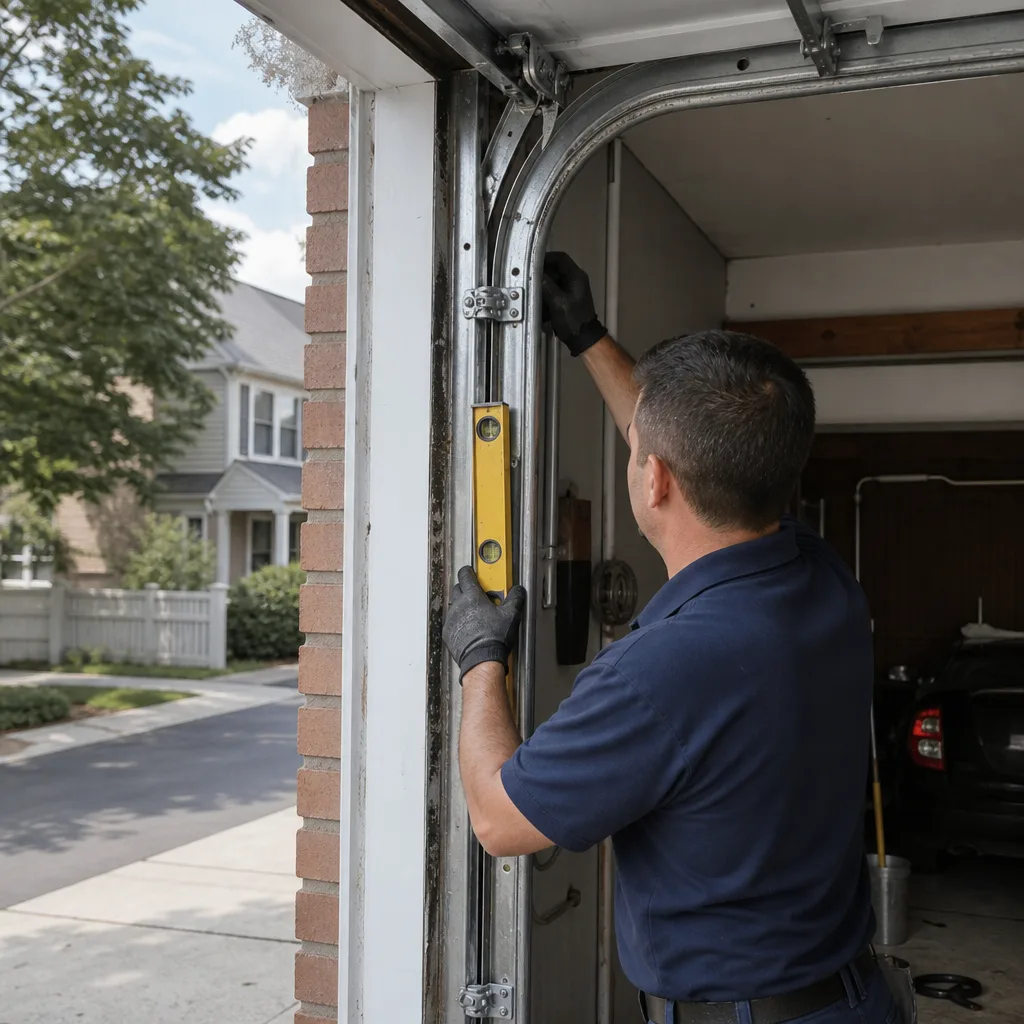
When your local Servo technician arrives, they start with a full inspection – not just the broken spring, but the cables, cable drums, bottom brackets, and opener force settings. A spring failure often accelerates wear on adjacent parts, and finding that before it causes a second callout is the whole point of looking.
The technician will identify the spring type, measure the door weight, and match the replacement spring to the correct cycle rating and wire size for your specific door. On torsion spring jobs they’ll remove the broken spring, install the replacement, and wind it to the correct tension using calibrated winding bars – this is skilled, physical work that takes time to do right. Extension spring jobs follow a similar path: release remaining tension, replace the spring and safety cable, and test the balance.
Before anything is touched, you receive a flat written price and written scope – that’s Clause 1 of The Haven Standard, and it applies to every job, including this one. When the work is done, you get a documented photo record of what was found and what was replaced. That record is yours. Total time on-site for a standard spring replacement is typically under two hours. This is a Garage Door Repair job, and it’s covered by the 365-Day Done Right Promise: if it’s not right, we make it right.
Frequently Asked Questions
Yes – it is not safe to leave a broken spring and keep using the door. Without the spring’s counterbalance, the opener motor is pulling the full dead weight of the door on every cycle, which can burn out the motor, stress the cables to a breaking point, or cause the door to drop suddenly if a cable slips. The door should stay closed and unused until the spring is replaced. Call us at (970) 536-1724 – our phones are answered around the clock.
Torsion springs should not be a DIY repair. They store significant mechanical energy under tension, and releasing or winding them incorrectly can cause serious injury – broken hands, wrists, and worse are well-documented outcomes when the job goes wrong without the right tools. Extension springs are somewhat more forgiving but still carry real risk if the tension isn’t fully released before work starts. The right call is a trained technician with the correct winding bars and a proper spring-balance process.
Your local Servo team handles emergency garage door calls and our phones are answered live, 24 hours a day. Call (970) 536-1724 right now – a real person will pick up, take your information, and tell you what to expect. We’ll give you a named technician and a text when they’re on the way, not a callback window.
No. Servo operates under Clause 1 of The Haven Standard: a flat, written price and written scope are delivered before any work starts, on every job, without exception. What the technician quotes is what you pay – there’s no “while we’re in here” upsell, no scope creep, no surprise line items at the end. If the inspection reveals something beyond the original scope, you’ll see a revised written price before any additional work begins. Call (970) 536-1724 and we’ll get a written estimate to you before anything is touched.
Get It Fixed
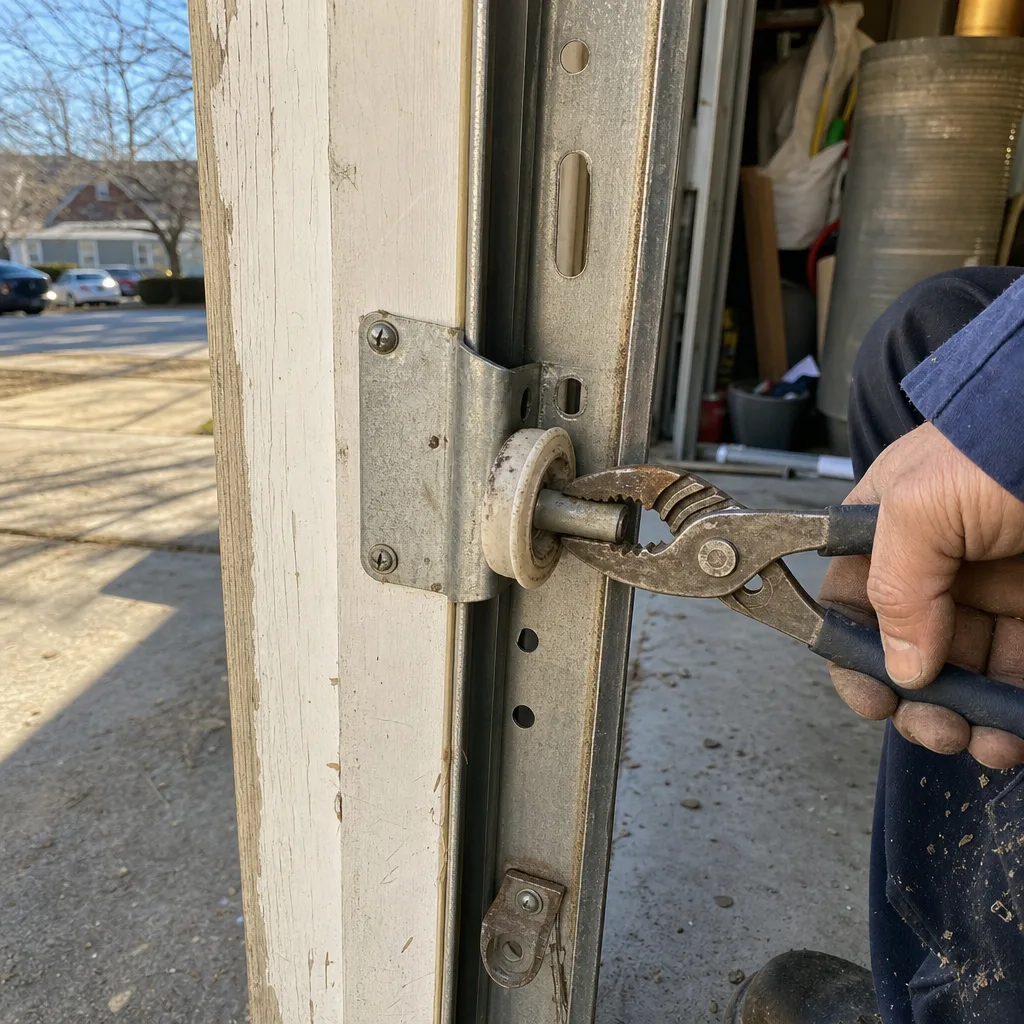
Call (970) 536-1724 now – live agents answer around the clock, including emergencies. Your local Servo Garage Doors team will arrive with the right parts, give you a flat written price before anything starts, and leave you with a documented photo record when the job is done. That’s The Haven Standard, on every job.
Written by Marcus Deller, Owner at Servo Garage Doors, serving communities nationwide since 2015.
What Our Customers Say
"Opener had been stalling for months. The tech showed me the logic board reading, replaced the board instead of the whole unit, and it cost a third of the other quote I had."
- Robert K."They sent a photo of the snapped torsion spring before quoting anything. Price on the estimate was the price on the invoice. I have never had that happen with a home repair."
- Dana W."Text came through with the technician name and photo twenty minutes before he arrived. Small thing, but I stopped worrying about who was at the door."
- Priscilla M.