
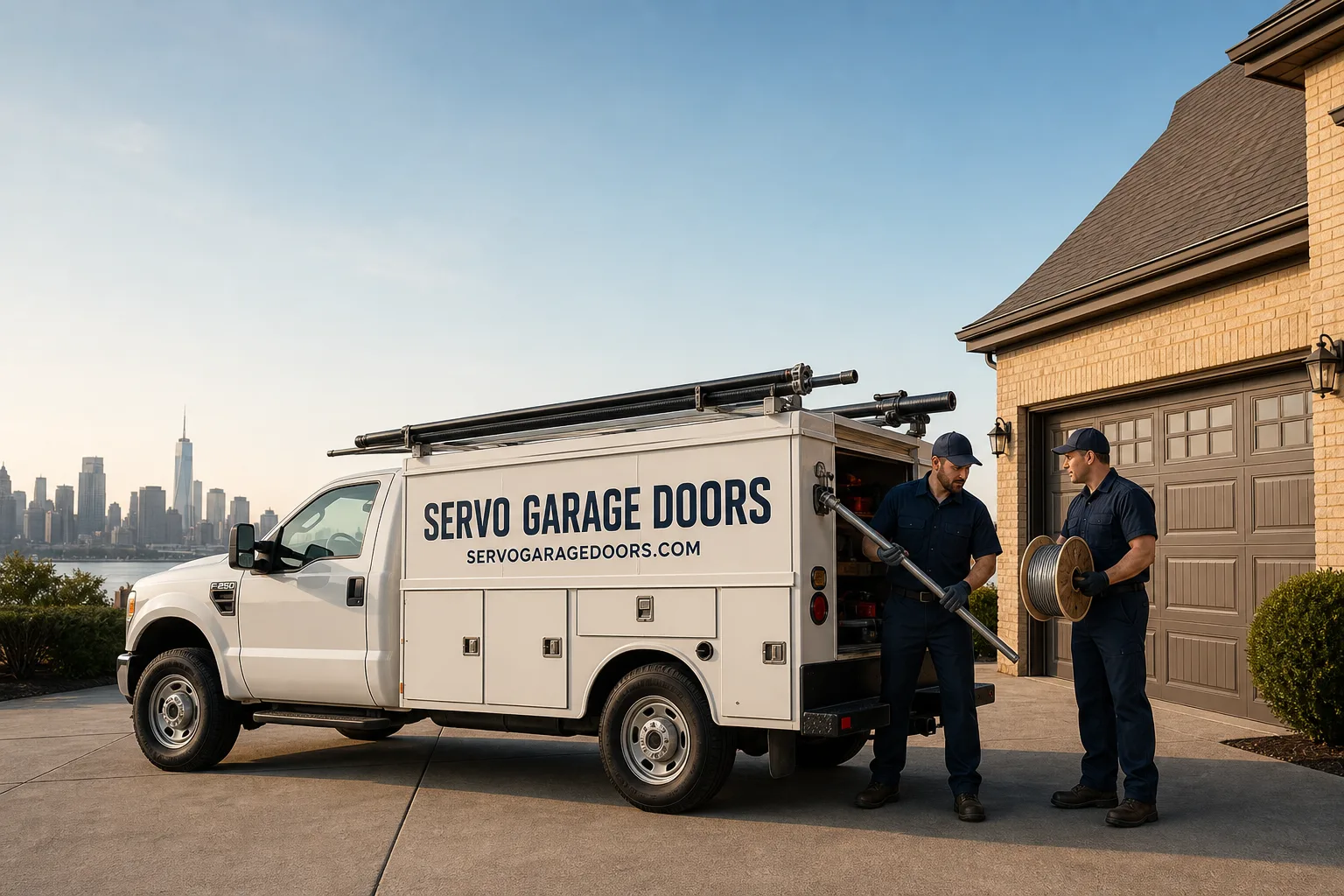
Full 25-point door and opener safety check with every visit - springs, cables, rollers, tracks, and your LiftMaster or Chamberlain opener included
You get a price before we start. It does not change when the truck arrives.
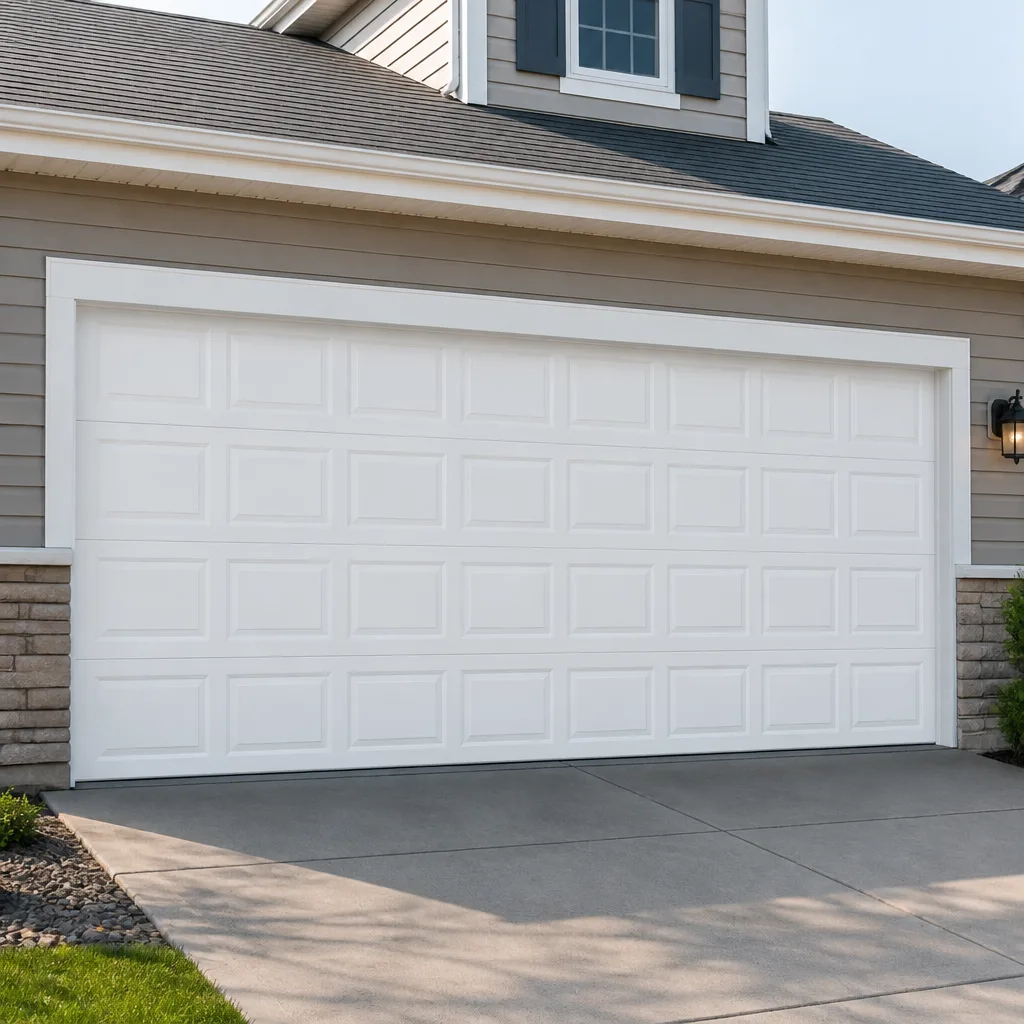
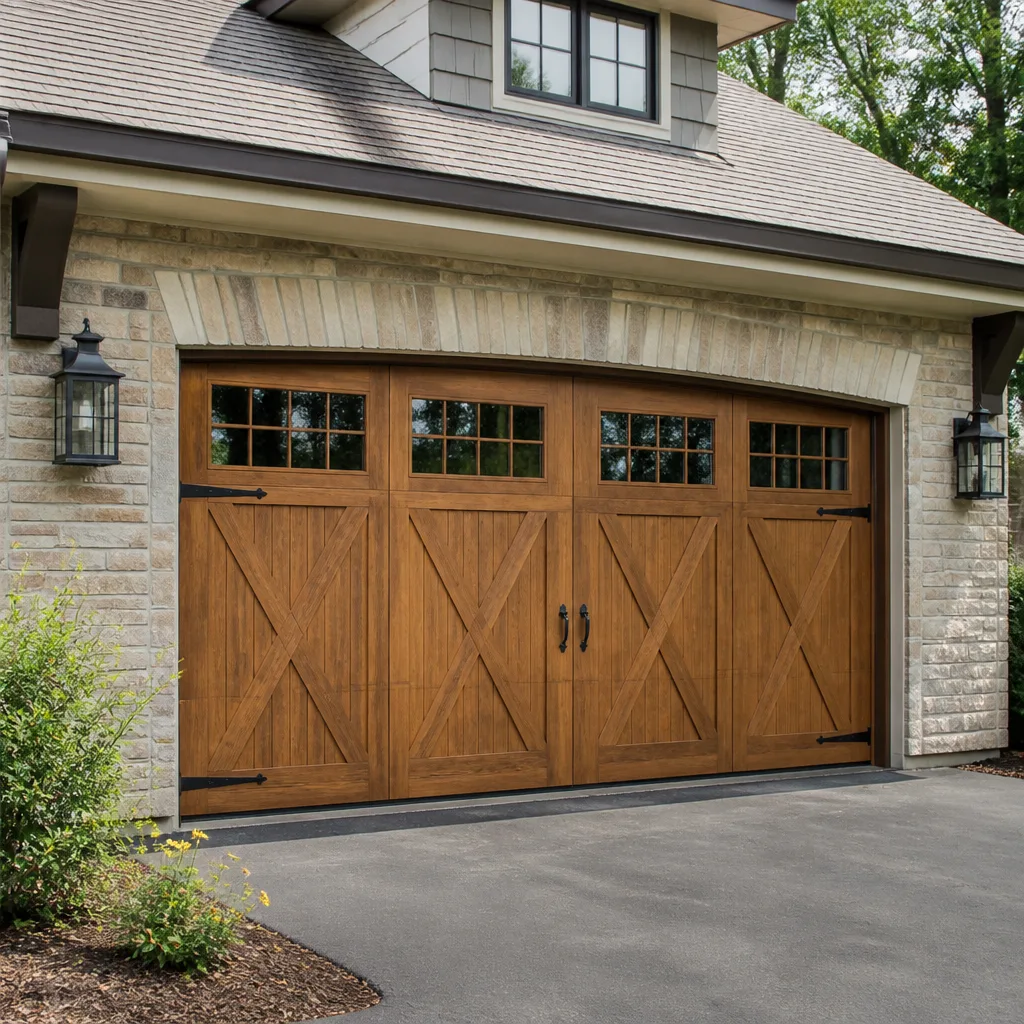
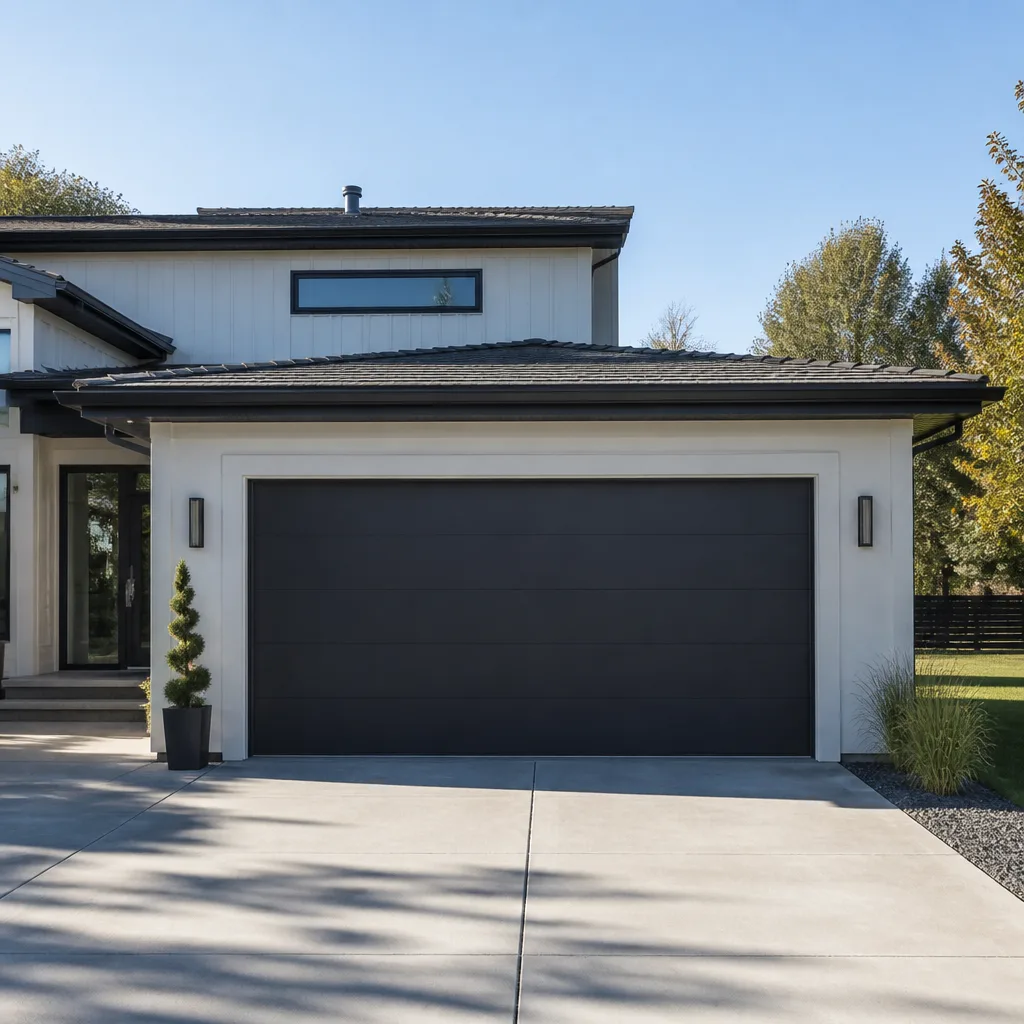
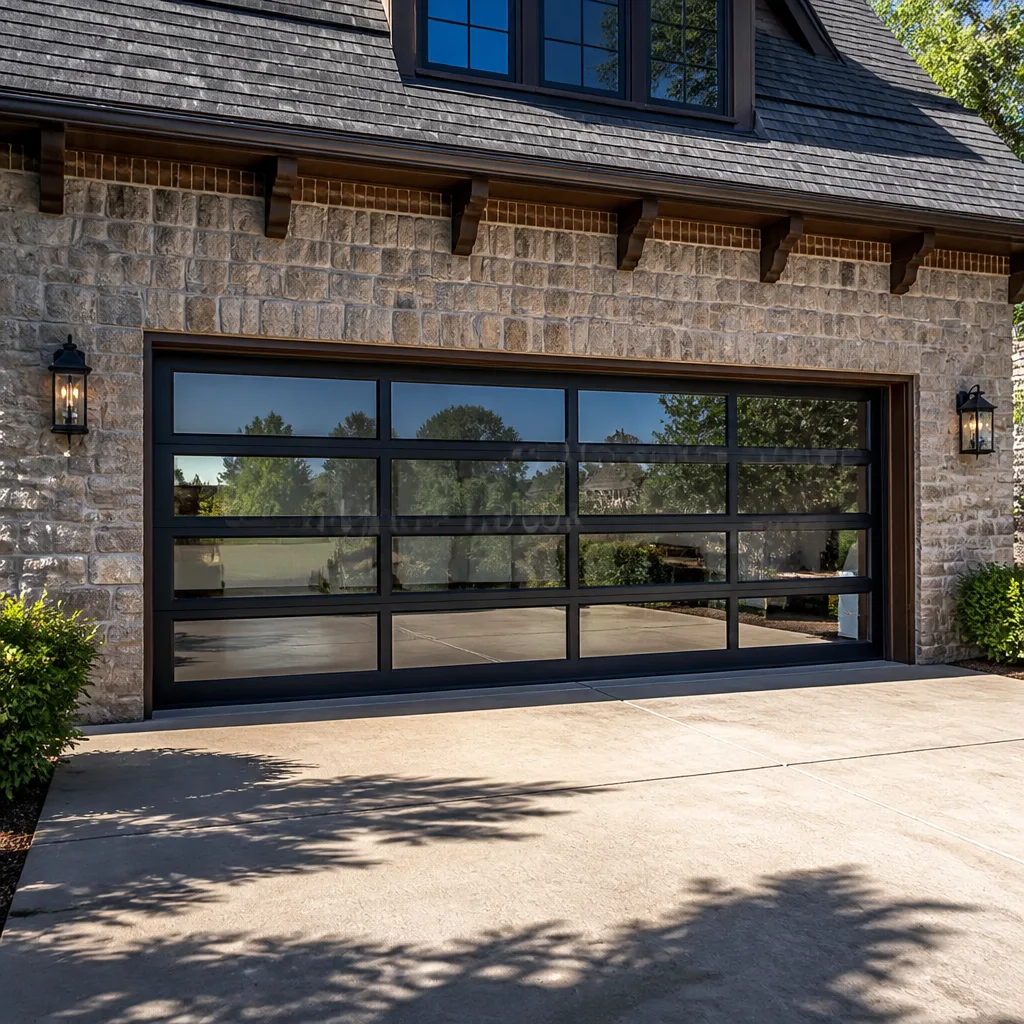
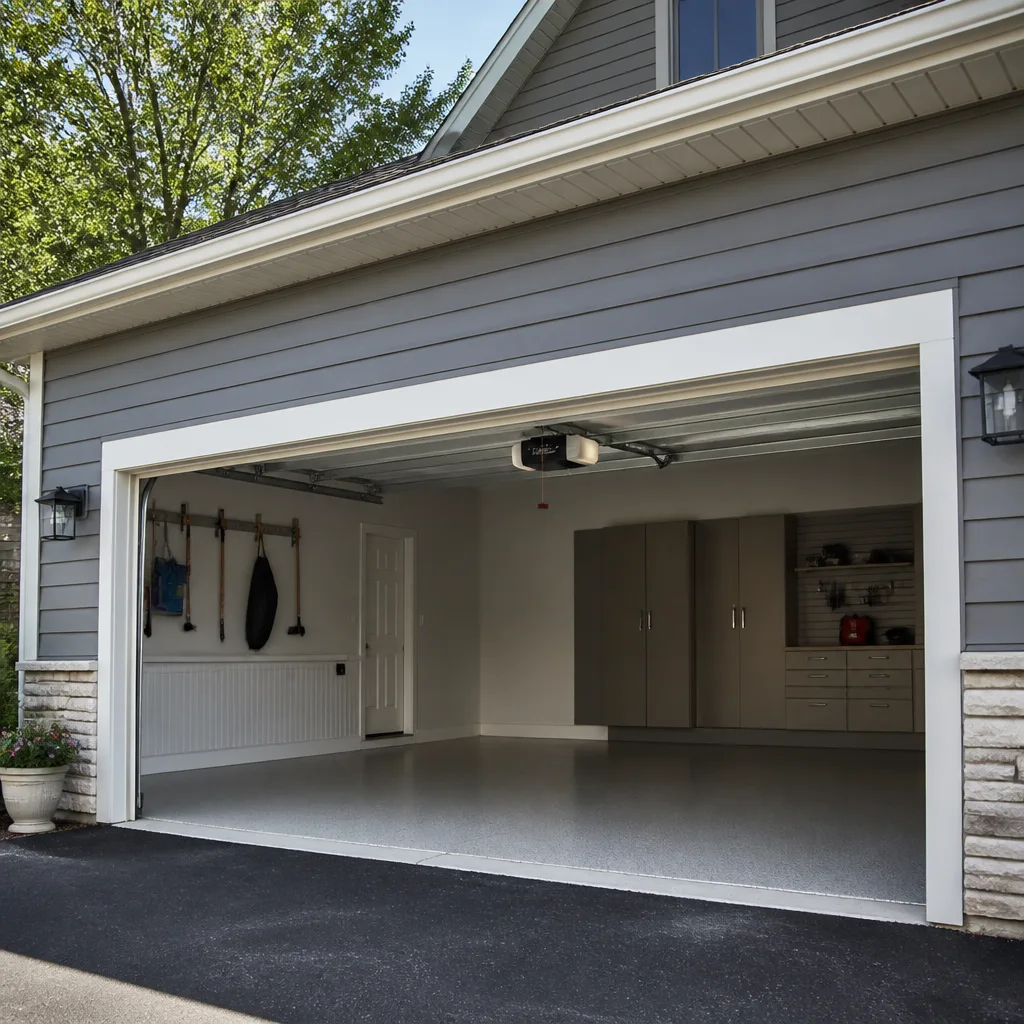
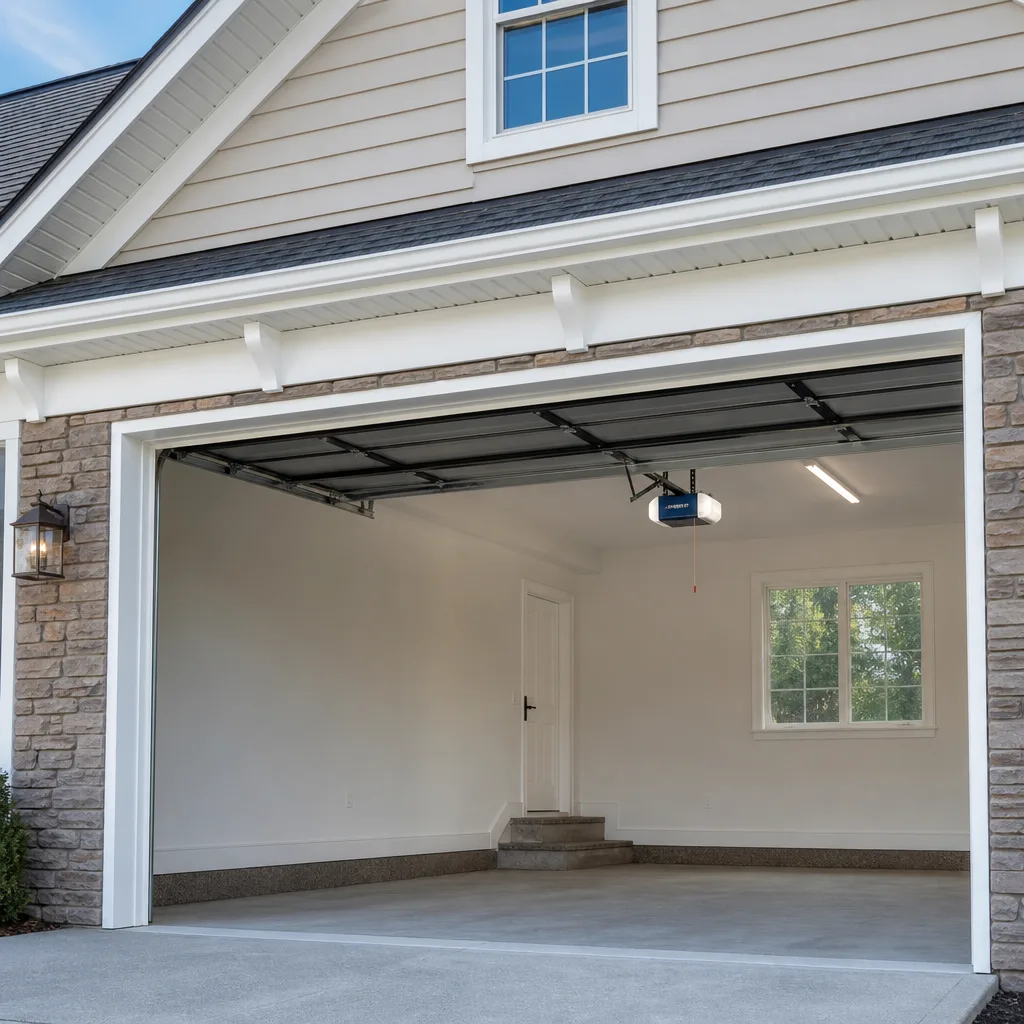
 Before
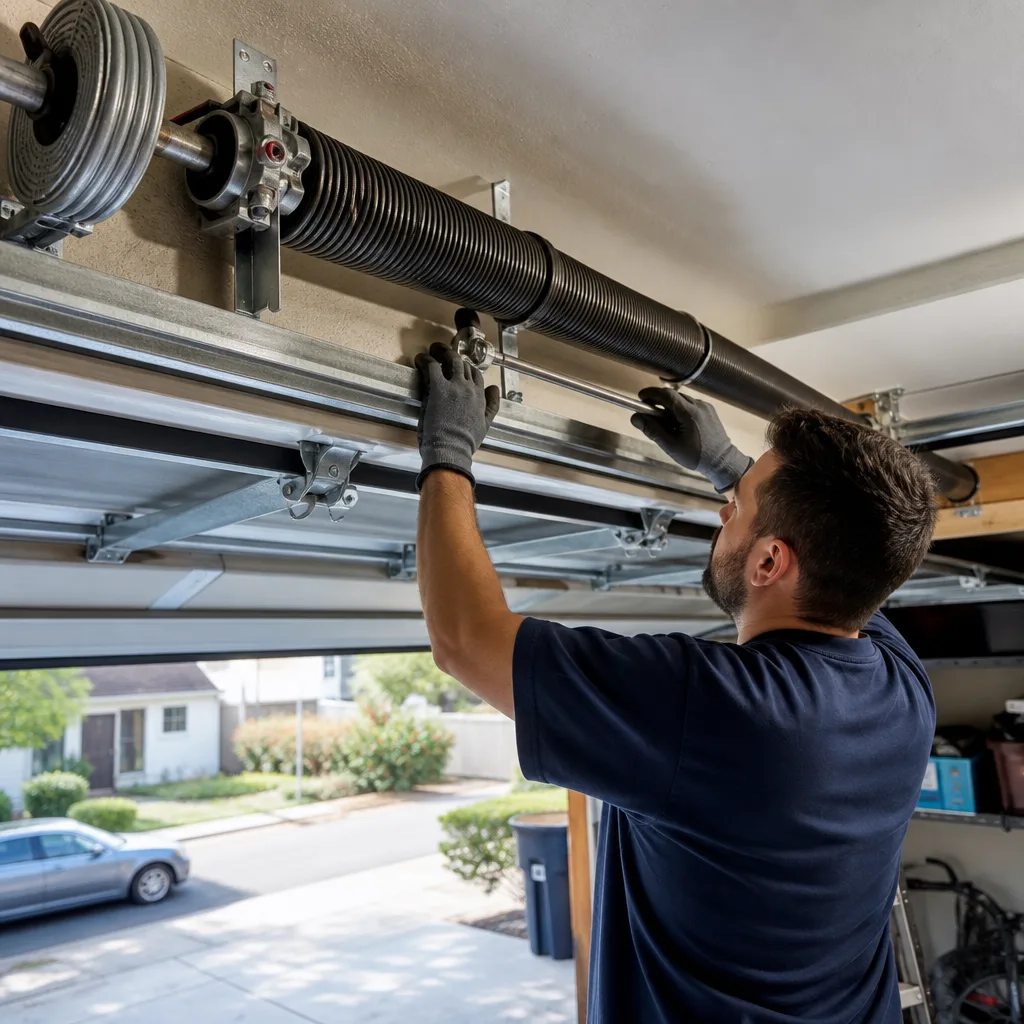 After
After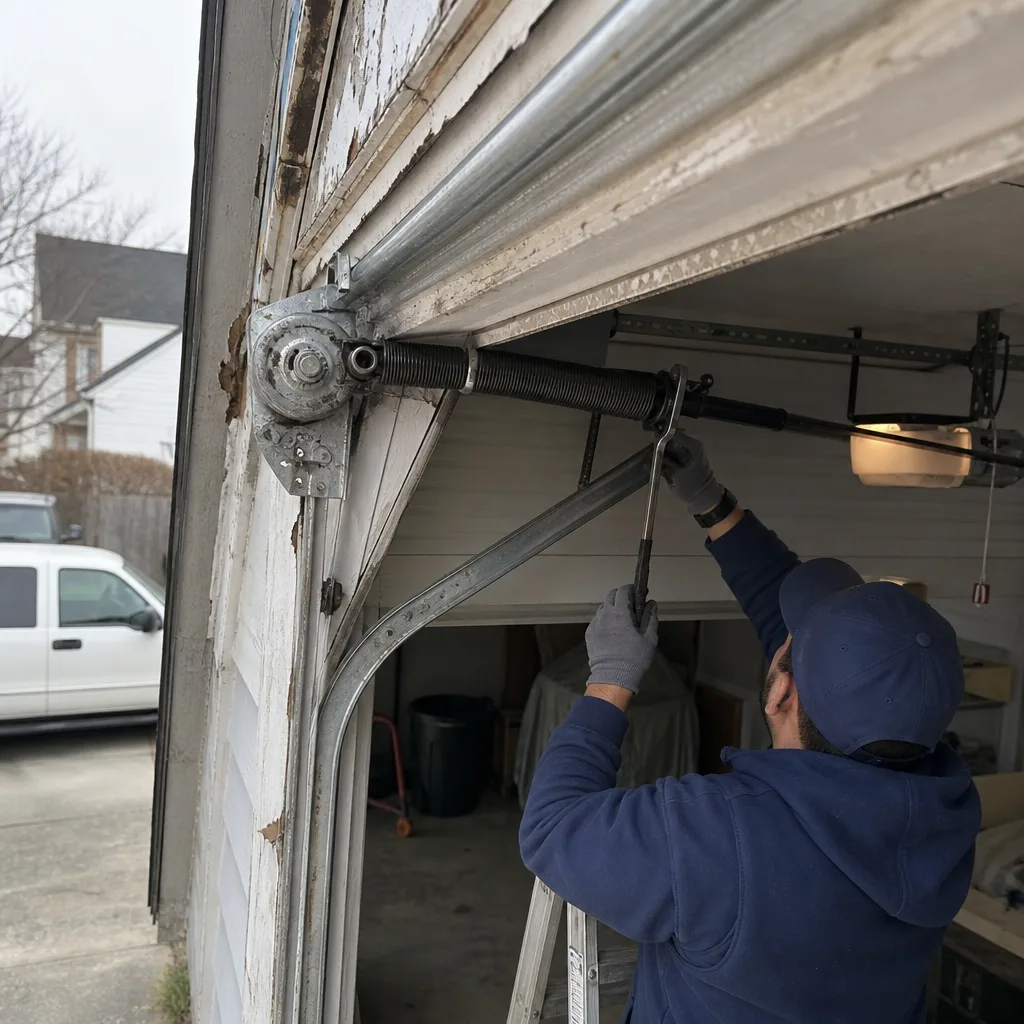 Before
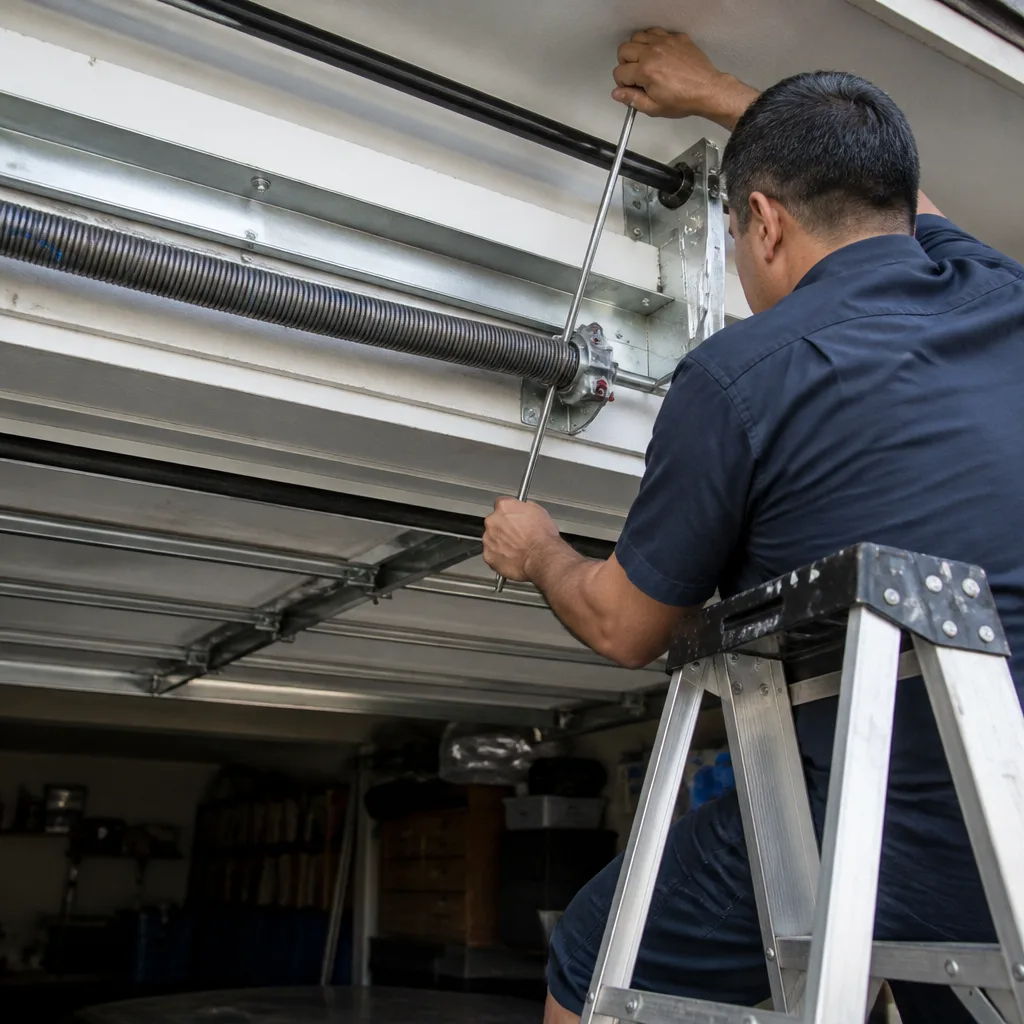 After
After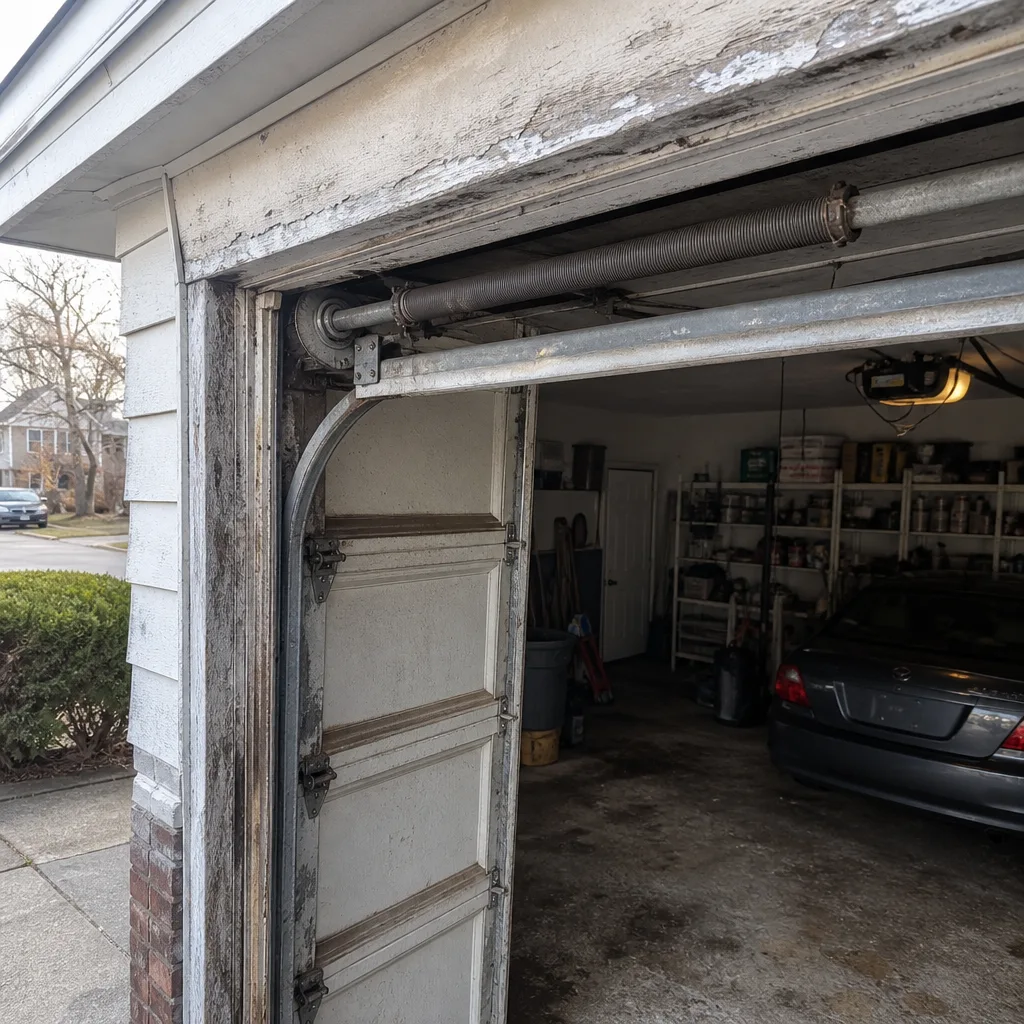 Before
 After
AfterGarage Door Opens Slowly or Unevenly
A garage door that drags, hesitates, or tilts to one side as it moves is almost always telling you that something in the balance system – springs, cables, or rollers – is worn or failing. Left alone, an unbalanced door puts extra load on the opener motor and can cause a cable to snap or a spring to let go without warning. This is not a problem that irons itself out.
The door’s job is to move in a straight, controlled arc from floor to ceiling and back. When it slows in the middle of that arc, stutters at the top, or rides higher on one side than the other, the mechanism is compensating for something it should not have to compensate for. The opener – whether it’s a LiftMaster, Chamberlain, Genie, or Craftsman unit – was designed to move a properly balanced door. When the balance is off, the motor works harder than it was built to, and you’ll usually hear it: a strained hum, a grinding note, or a labored slowdown that wasn’t there six months ago.
Why It Happens
Spring Tension Is Low or Gone on One Side
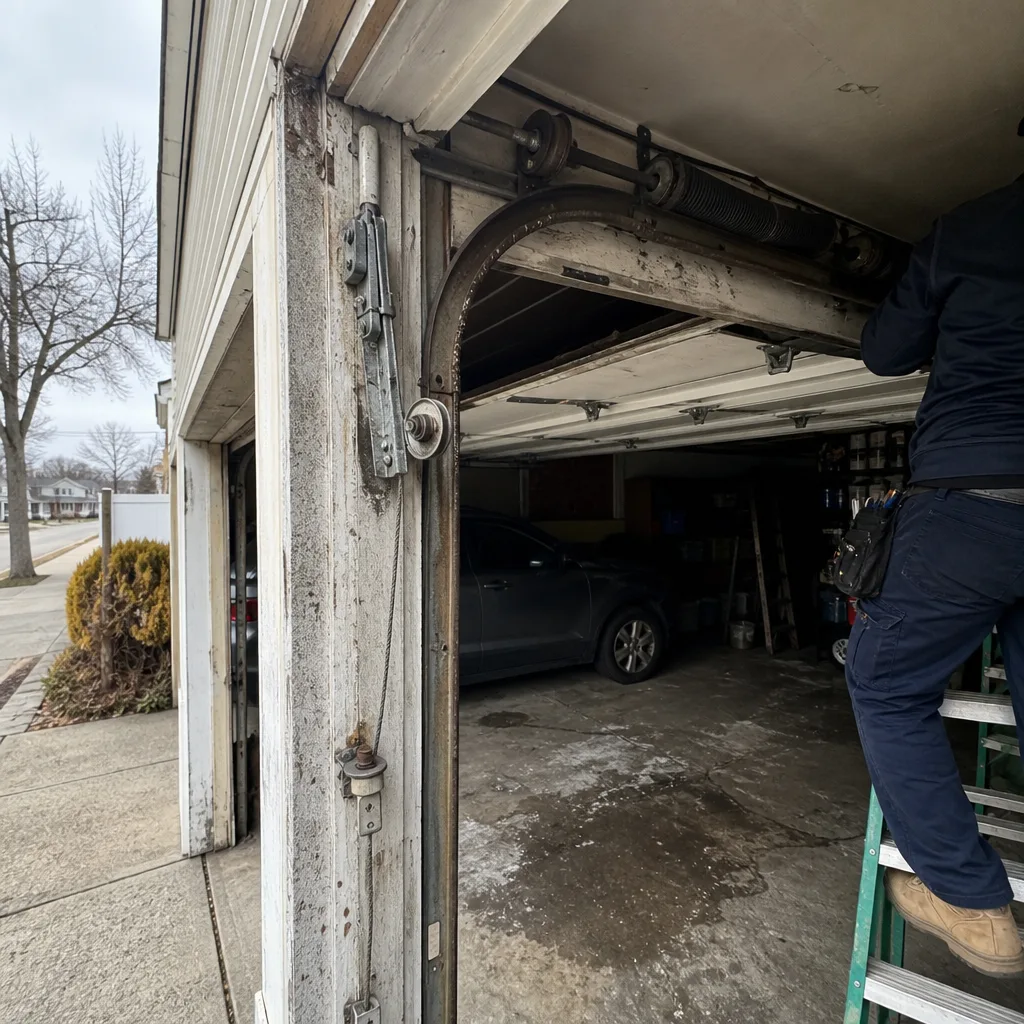
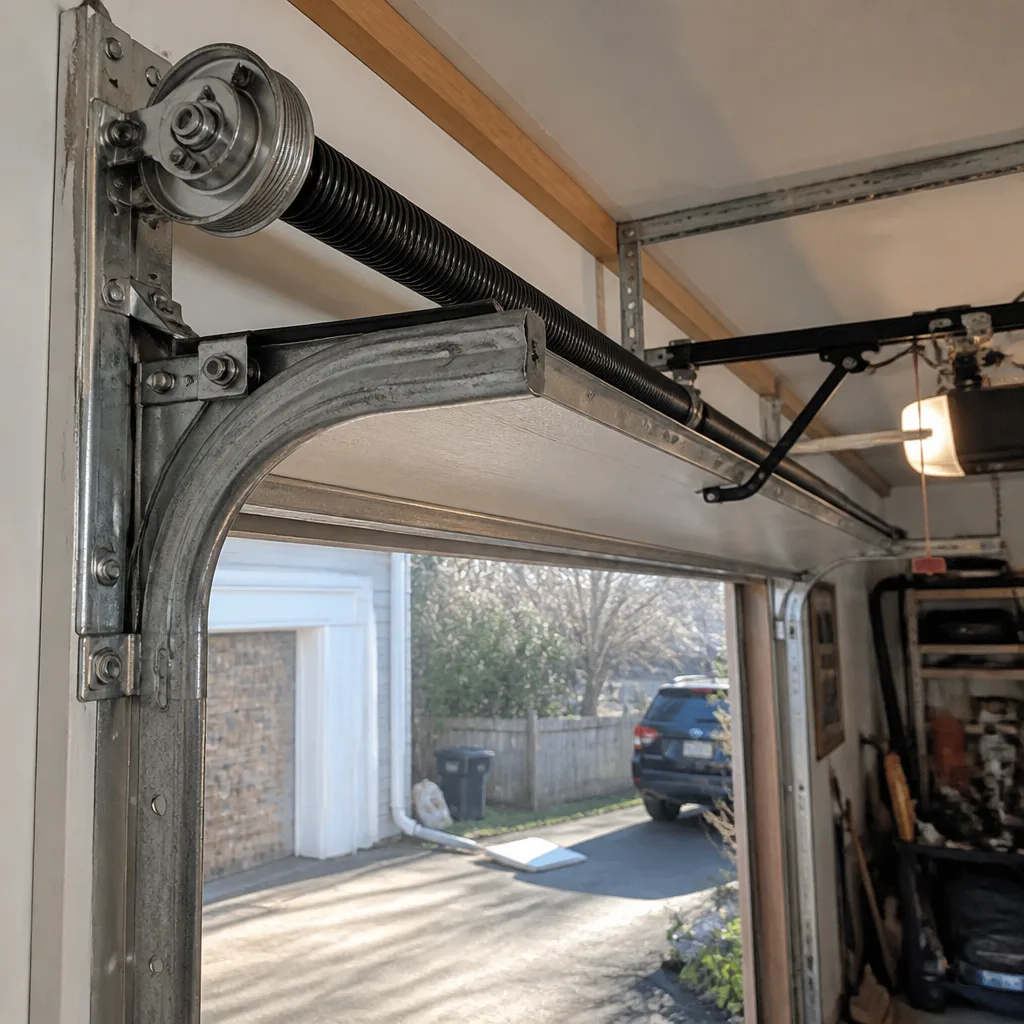
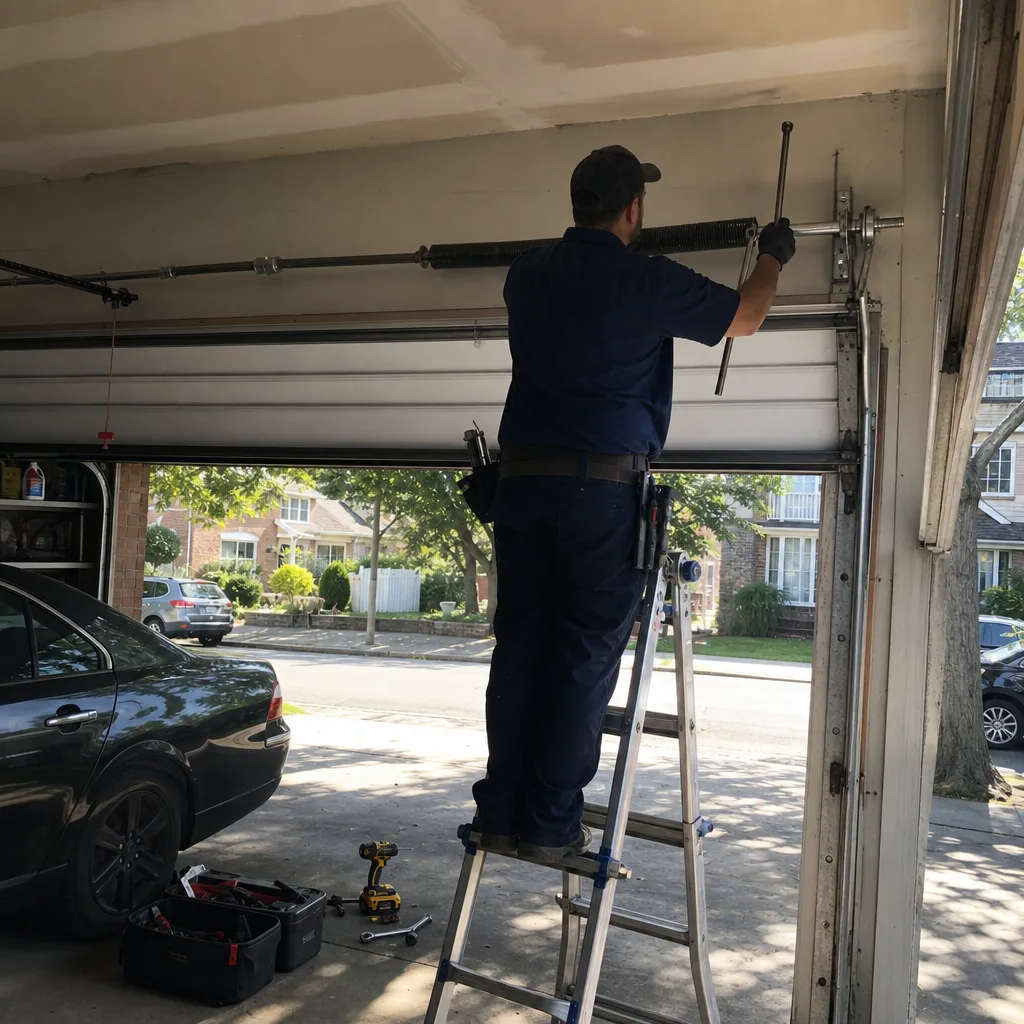
Torsion springs sit on a steel rod above the door; extension springs run along the horizontal tracks on each side. Both store the mechanical energy that does the actual lifting – the opener just guides the movement. When a spring loses tension or breaks entirely, the door gets heavy fast, and the side with the weaker spring will lag or drop. You’ll often hear a loud bang when a torsion spring snaps, and if you look at the spring above the door, you’ll see a gap in the coil. Extension spring failures are quieter but visible as a slack or dangling cable on the affected side.
Safety note: Springs are under extreme tension. Do not attempt to adjust, wind, or remove them yourself. A spring that releases suddenly can cause serious injury. Stop using the door and call your local Servo Garage Doors team.
A Cable Has Frayed or Slipped Off the Drum
The lift cables connect the bottom corners of the door to the spring drums at the top and are what actually pull the door up evenly on both sides. A frayed cable – you’ll see small wire splinters or a kink near the bottom bracket – or one that has jumped off its drum will cause the door to move crookedly, often with one corner dragging or sagging. Check the bottom corners of the door while it is closed: if one cable looks slack, kinked, or is sitting at an odd angle, that’s the failure point.
Safety note: Like springs, cables are under high tension and wrap around hardware that can move violently if released. Do not attempt to reattach or tighten a cable. This is a technician job.
Rollers Are Worn, Cracked, or Binding in the Track
Rollers ride inside the steel tracks on each side of the door and let it glide up and down without friction. Nylon rollers wear flat or crack after years of use; steel rollers can rust or lose their bearings. A worn roller creates drag at a specific point in the door’s travel – usually mid-travel or at the curve where the track bends from vertical to horizontal. If you hear a grinding or squealing at the same spot every time the door moves, and the door slows or shudders at that point, rollers are the likely culprit.
The Track Is Bent or Misaligned
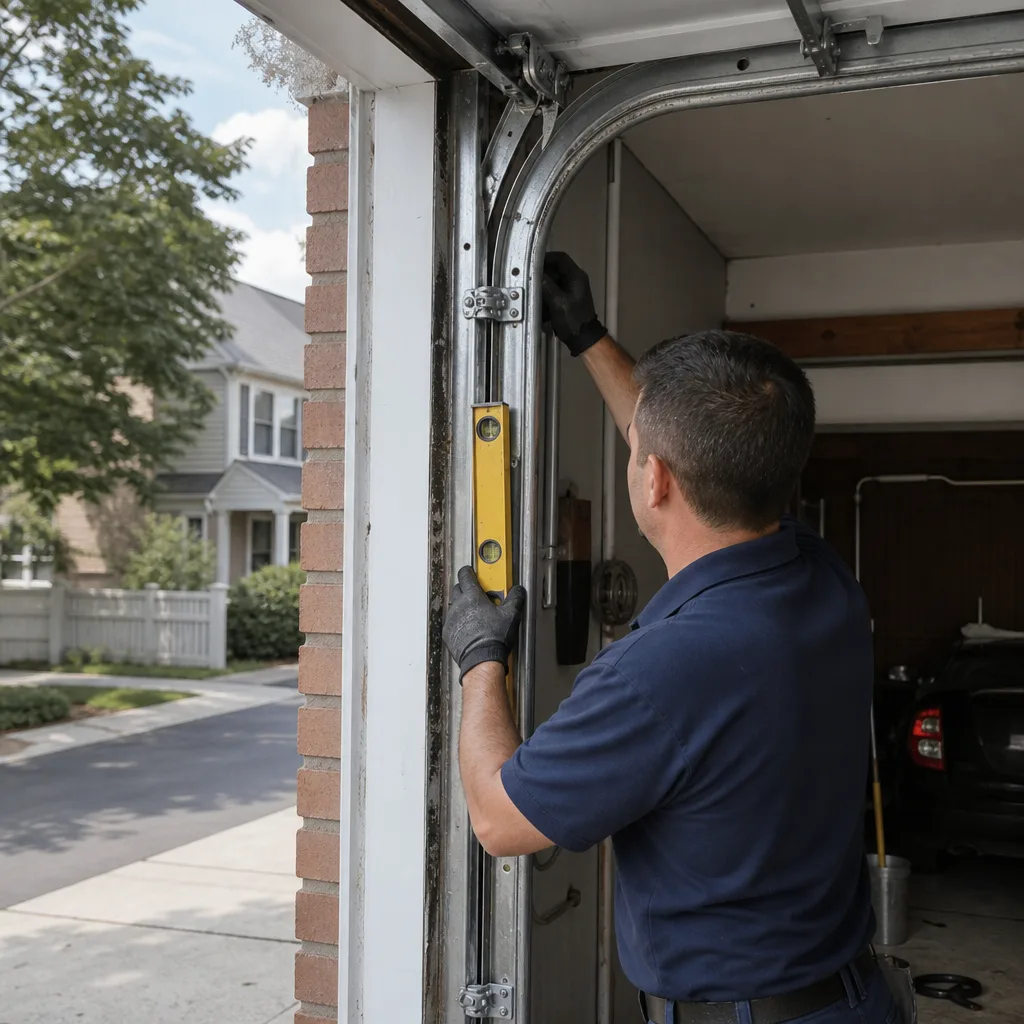
Tracks take a hit when a car bumps a bottom bracket or when a closing door meets an obstacle it shouldn’t have. Even a small bend – sometimes just a few millimeters – creates a pinch point the rollers struggle to pass through. Look along the inside face of each track: you’re checking for a visible dent, a gap between the track and the wall bracket, or a place where the track is no longer parallel to the door edge. A door that slows or jerks at exactly the same height every time is usually fighting a track problem at that spot.
What to Do Right Now
- Stop using the door. An unbalanced door is working against a damaged system. Continuing to cycle it risks snapping a cable, burning out the opener motor, or causing the door to drop. If you need vehicle access, use a side entry or pull the emergency cord only if the door is fully closed and you are certain it won’t fall.
- Look, don’t touch the springs or cables. Stand back and check the torsion spring above the door for a visible gap in the coil. Check the bottom corners for cable slack or fraying. Photograph what you see – your local Servo Garage Doors technician will want to know what you found, and the photo helps them arrive with the right parts.
- Check the tracks visually for dents or gaps. Run your eye along the inside edge of each vertical track. A dent or a bracket that has pulled away from the wall is something you can report; you don’t need to fix it yourself.
- Test the roller noise without touching the hardware. If the door was running before you stopped it, recall where in the travel the grinding or slowing happened. Top of travel, middle, or the curve? That location narrows the diagnosis and helps your technician go straight to the problem.
- Don’t lubricate and hope. A can of spray lubricant will not fix a broken spring or a bent track, and it can make a frayed cable harder to inspect. Hold off until a technician has looked at it.
BeforeAfterHow We Fix It
When your local Servo Garage Doors technician arrives, the first thing they do is a full movement and balance check – manual lift test, visual inspection of springs, cables, drums, rollers, and tracks, and a look at the opener’s force settings. Under the Haven Standard’s Evidence principle, what they find gets photographed before anything is quoted. You see the worn part, not a description of it.
The written price and written scope come next, before any tool comes out. That is Clause 1 of the Haven Standard, and it applies to every job without exception.
Most slow or uneven door problems are resolved under Garage Door Repair – spring replacement, cable replacement, roller swap, or track adjustment. If the opener’s motor has been overloaded by a long-running balance problem, that may require Garage Door Opener Repair as a second step. Most repairs are completed in a single visit. The 365-Day Done Right Promise covers the work: if it’s not right, we make it right.
Frequently Asked Questions
Yes, in most cases it should not be used until a technician checks it. A door running on a failing spring or frayed cable can drop suddenly, and repeated cycling accelerates the failure and can burn out the opener motor. If you have any doubt about which component is failing, stop using the door and call (970) 536-1724 – a live person answers every call, including evenings and weekends.
No. Torsion springs store enough energy to cause serious injury when they release unexpectedly, and winding or unwinding them without the correct winding bars and training is genuinely dangerous. The same applies to extension spring adjustments and cable retensioning. What you can safely do is look, photograph, and report – your technician handles the hardware.
The honest answer is that the cost depends on what the inspection finds – a single roller swap costs far less than a full spring replacement plus cable set. What we can promise is this: your local Servo Garage Doors team will give you a flat, written price before any work starts. No estimates that shift when the invoice arrives. Call (970) 536-1724 and we’ll get someone out to you – the written quote is free.
In most cases, yes. Repair calls – including spring, cable, roller, and track work – are same-day wherever our schedule allows, and emergency calls are answered 24 hours a day by a live person, not a recording. When you call (970) 536-1724, you’ll get a named technician and a text when they’re on the way, not a callback window.
Get It Fixed
Call (970) 536-1724 – a live person answers every call, day or night. Your local Servo Garage Doors team will schedule a visit, arrive on time, show you what they found, and hand you a written price before any work starts. If it’s not right under the 365-Day Done Right Promise, we make it right.
Written by Marcus Deller, Owner at Servo Garage Doors, serving communities nationwide since 2015.
What Our Customers Say
"Opener had been stalling for months. The tech showed me the logic board reading, replaced the board instead of the whole unit, and it cost a third of the other quote I had."
- Robert K."They sent a photo of the snapped torsion spring before quoting anything. Price on the estimate was the price on the invoice. I have never had that happen with a home repair."
- Dana W."Text came through with the technician name and photo twenty minutes before he arrived. Small thing, but I stopped worrying about who was at the door."
- Priscilla M.