
Full 25-point door and opener safety check with every visit - springs, cables, rollers, tracks, and your LiftMaster or Chamberlain opener included
You get a price before we start. It does not change when the truck arrives.
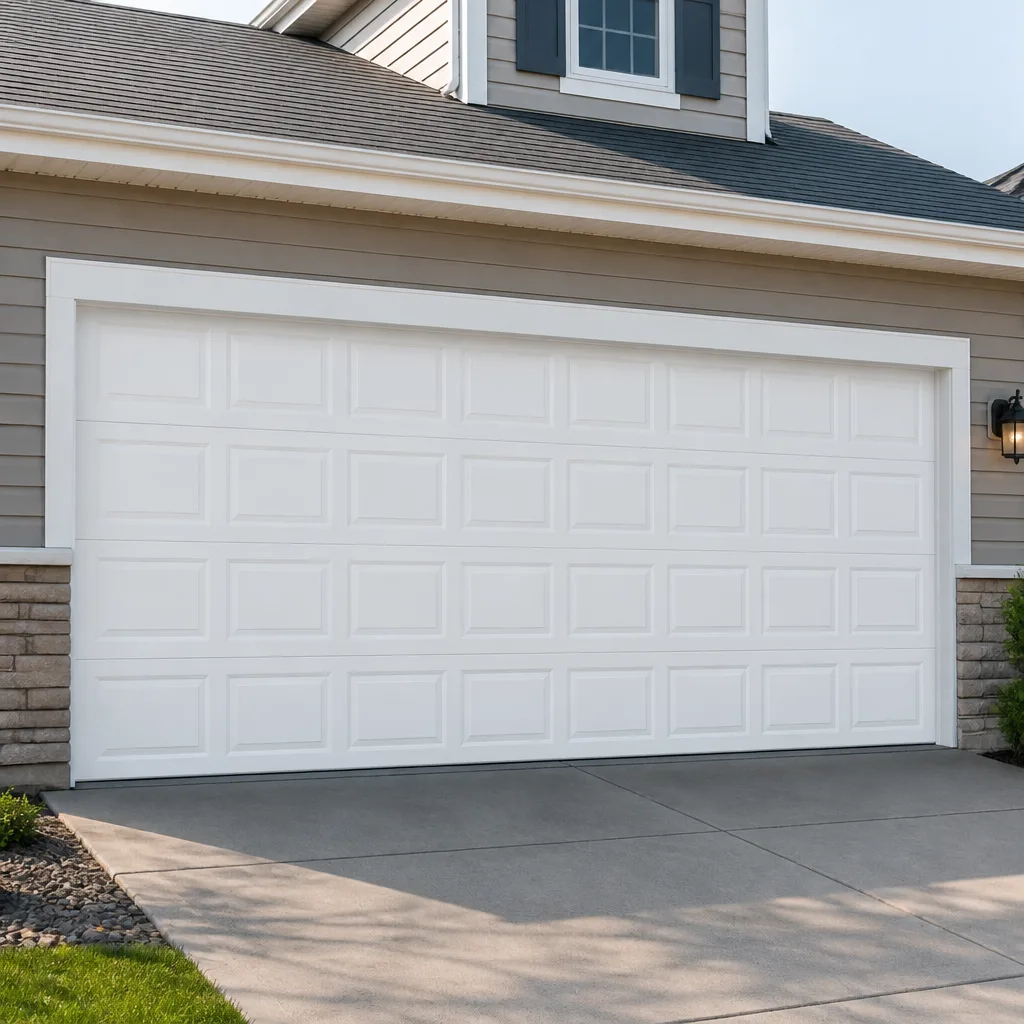
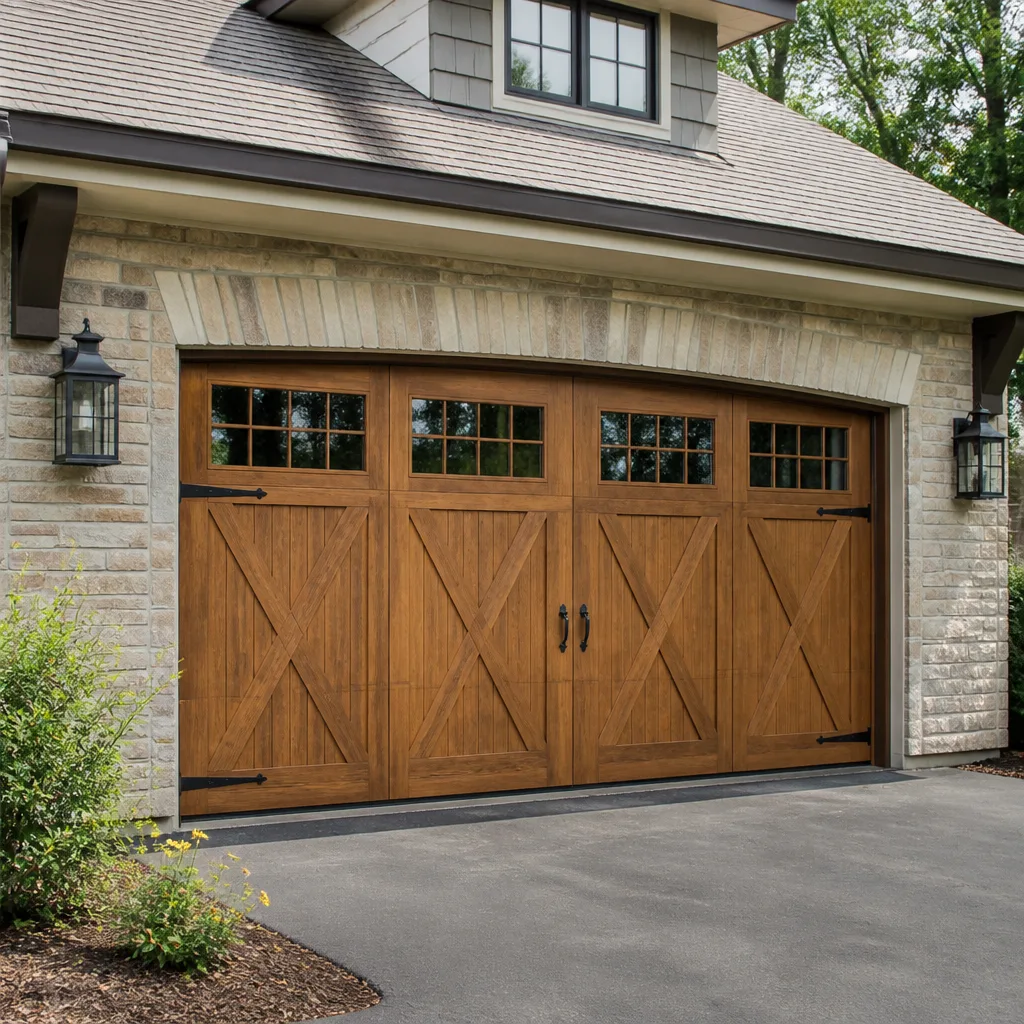
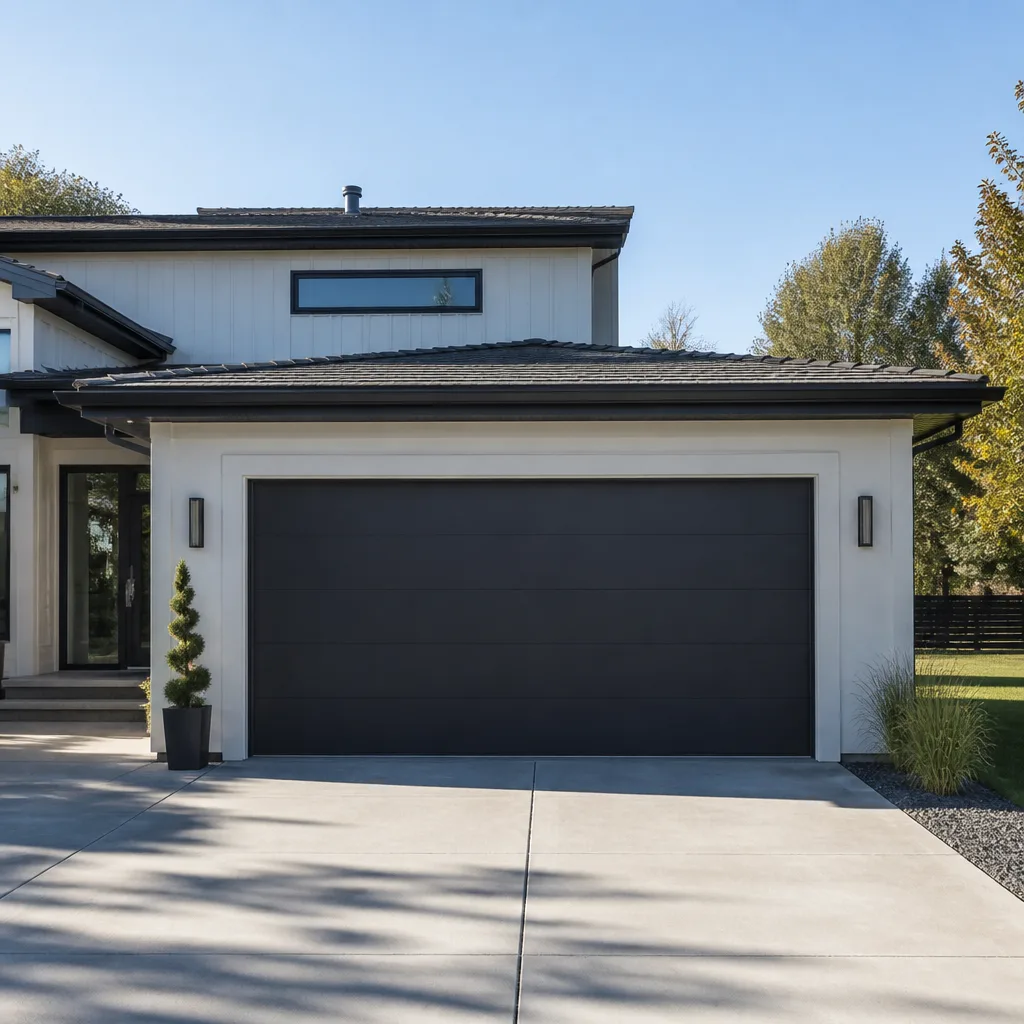
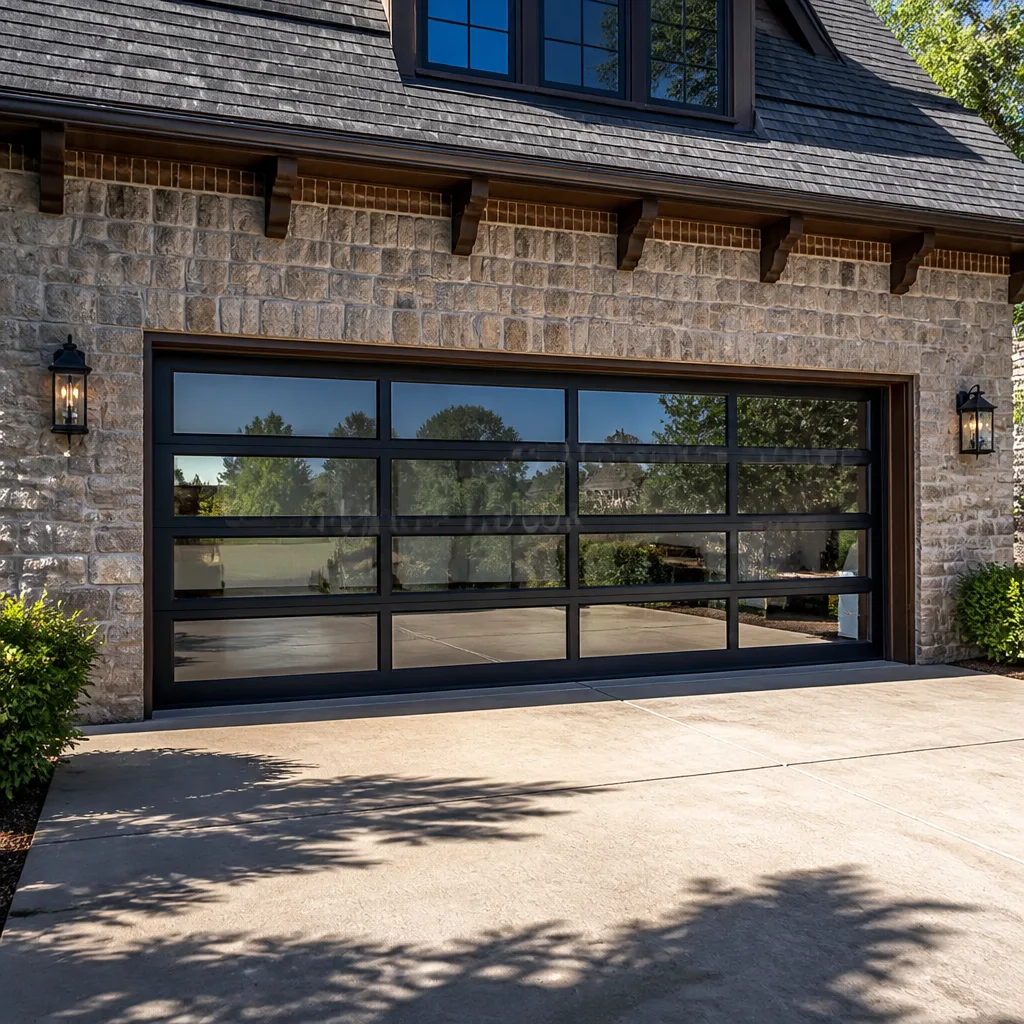
 Before
 After
After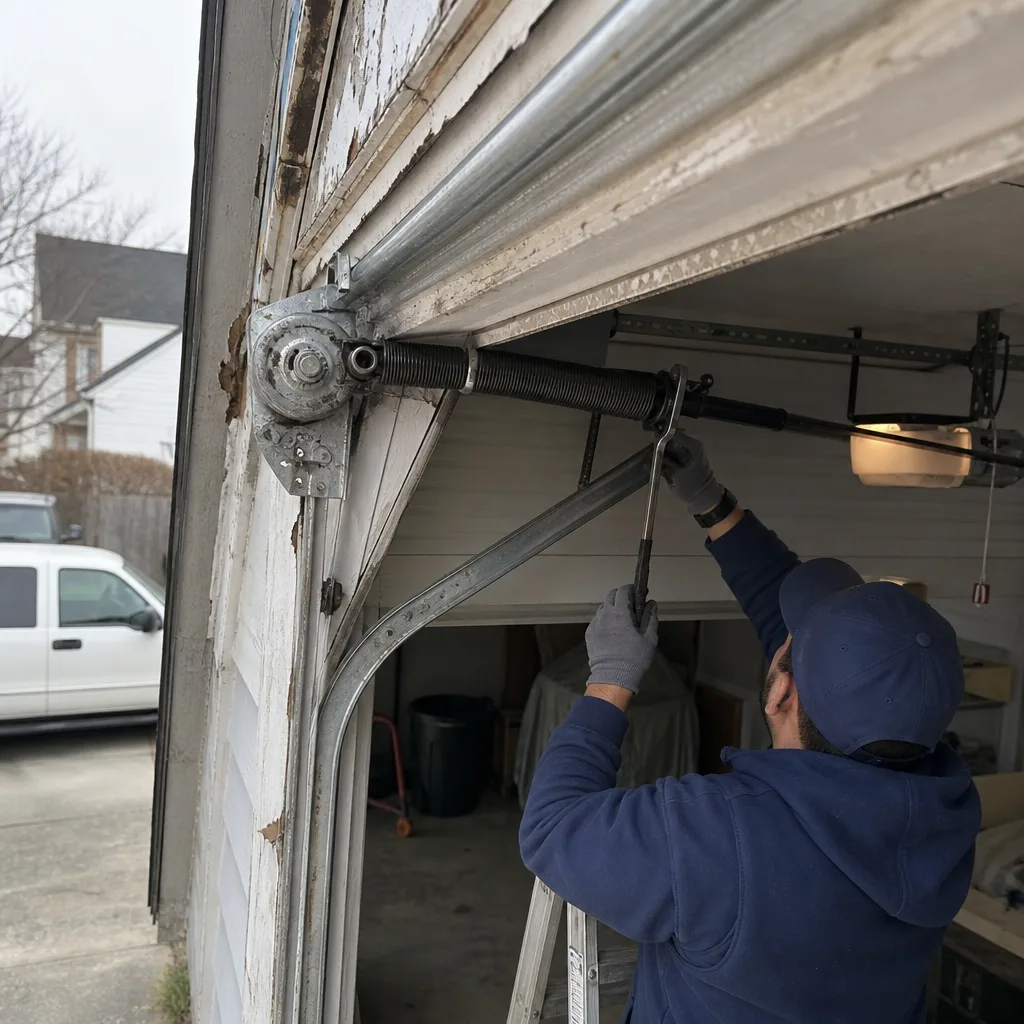 Before
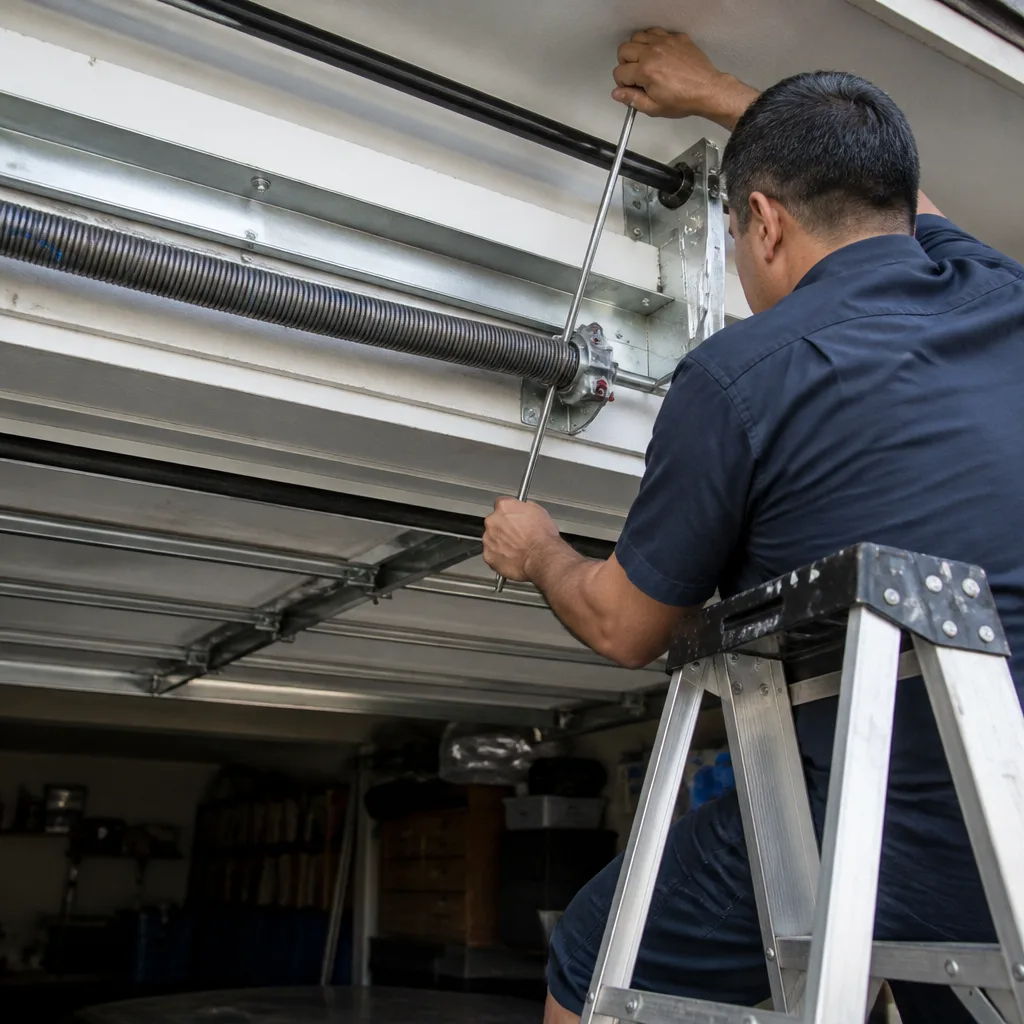 After
After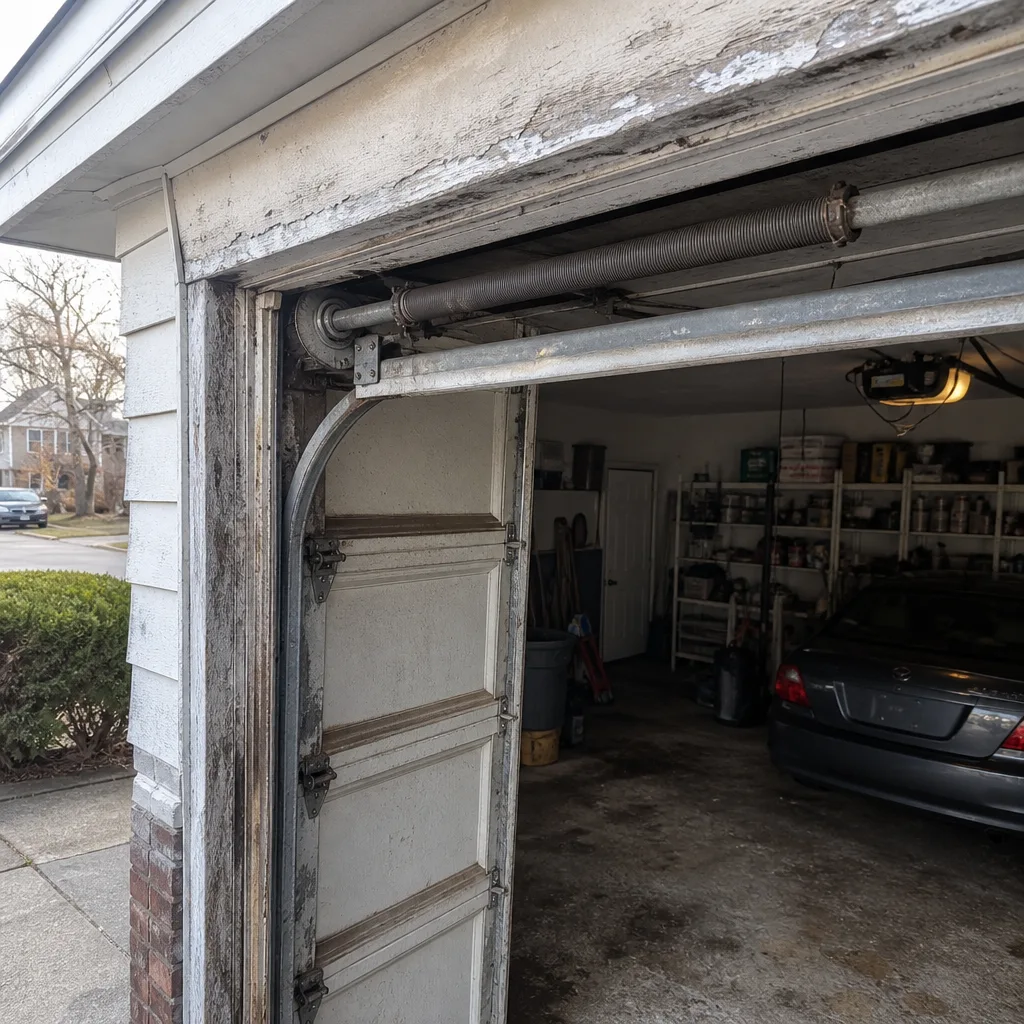 Before
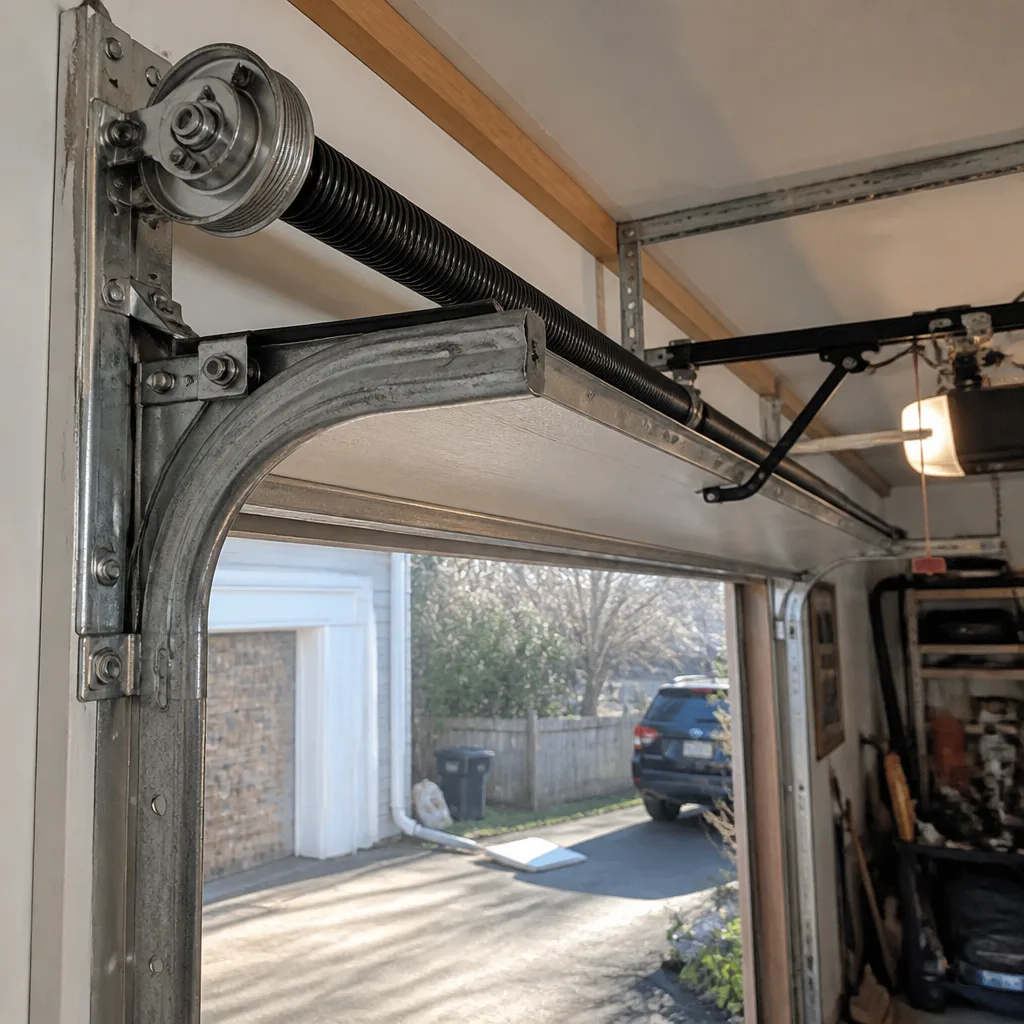 After
AfterLiftMaster Weather Seal Replacement: The New York City Owner’s Guide
We stock and install LiftMaster-compatible bottom weather seals in New York City, with most replacements running $95-$185 installed, depending on door width and seal profile. Same-day service is available in all five boroughs, and our trucks carry the common profiles, so we’re usually done in under an hour. The part itself is the rubber strip that runs along the bottom of the door, keeping water, dirt, and cold air from creeping under the panel and into the garage.
The way most owners find out it’s failing is visual. They walk past the closed door and notice daylight sneaking under one corner. Or after a heavy downpour, there’s a puddle in the garage that wasn’t there before. In New York City winters, the same seal that’s cracked lets in the exact draft that makes a garage feel ten degrees colder than the rest of the house. Marcus Deller has been replacing these on LiftMaster doors in the five boroughs for over two decades, and the failure pattern is consistent: the rubber dries out, splits at a stress point, and stops compressing against the floor.
Key takeaways: this is a low-cost, one-visit fix. It’s not a structural repair, and it doesn’t require replacing the door. But it does need the right profile matched to your specific LiftMaster bottom retainer.
Which LiftMaster Models This Applies To
LiftMaster doesn’t manufacture doors themselves. The LiftMaster branding you see on your door hardware comes through their partnership with door manufacturers, so the weather seal on a LiftMaster-badged door is determined by the bottom retainer profile, not the opener model. That’s the first compatibility gotcha: the opener hanging from the ceiling has nothing to do with the seal on the floor.
What matters is whether your door uses a T-channel retainer, a bead-end retainer, or a snap-in channel. Most residential LiftMaster-badged doors from the last 15 years use either a 3-inch or 4-inch T-style seal that slides into an aluminum retainer screwed to the bottom panel. The difference is the width of the T, and a 3-inch seal will not seat properly in a 4-inch retainer. We carry both on the truck, plus the less common bead-end profiles for older doors. If you’re not sure what yours uses, pull a 2-inch section of the seal out of one end and measure the width. Or text us a photo before we head out, and the technician will bring the right one on the first trip.
As for OEM versus aftermarket: the OEM LiftMaster seals are fine, but they’re not unique in material terms. The aftermarket equivalents we carry are the same EPDM rubber compound, often from the same extrusion suppliers, at a lower price point. The honest difference is the OEM markup for the branding. We’ll install either if you have a preference, and we’ll show you the failed part before we quote the replacement, per Clause 4 of The Haven Standard.
Servo Garage Doors is an independent service provider, not affiliated with LiftMaster. We also stock weather seals for Chamberlain and Genie doors, which use some of the same extruded profiles.
Signs Your LiftMaster Weather Seal Replacement Is Failing
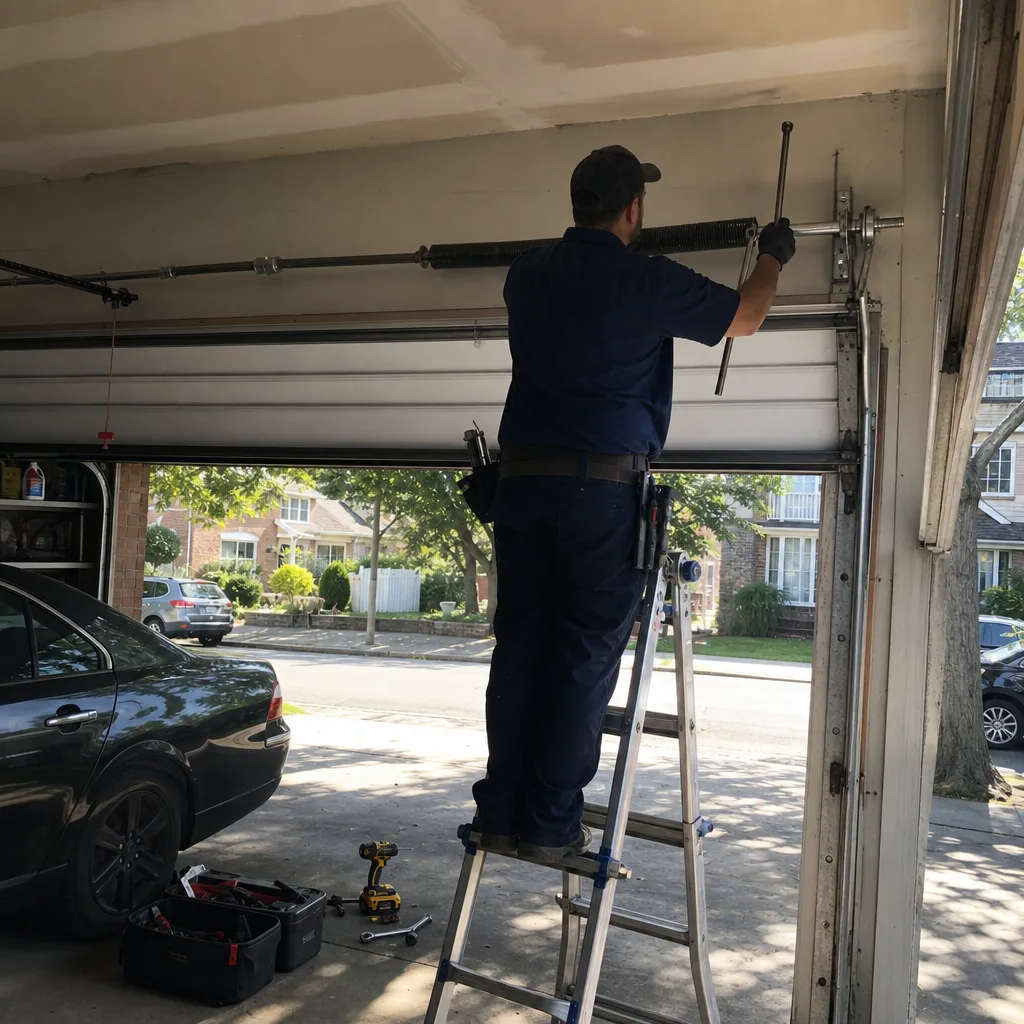
- Daylight under the door. Walk to the back of the garage, close the door, and look toward the street. If you see a sliver of light anywhere along the bottom edge, the seal isn’t compressing. That gap is exactly where water, dust, and pests get in.
- Rubber is cracking or crumbling when touched. Run your thumb along the bottom edge of the seal. If chunks flake off or the rubber feels brittle rather than springy, the EPDM has lost its plasticizers. Once it’s brittle, it won’t flex to follow uneven concrete.
- Water pooling in a corner after rain. NYC driveways settle, and a new gap can open at one corner where the slab has shifted. The seal’s job is to bridge that small variance. When it’s worn flat, it can’t.
- The seal looks compressed and won’t spring back. Over years, the rubber takes a set. If the bottom edge of the seal stays flattened where it contacts the floor, it’s no longer sealing across the full width of the door.
- Visible gap between the seal and the floor, even with a correctly adjusted door. If your door’s travel limits are already set properly and you still see a gap, the seal isn’t the only possibility, but it’s the most common culprit. We’ve seen this in Jackson Heights and Rego Park, where the concrete aprons in front of garages crack from freeze-thaw cycles. The seal gets blamed when the slab is at fault, but you check the cheaper part first.
BeforeAfterReplacement Cost & What’s Included
For a standard single-car door in New York City, you’re looking at $95-$185 installed, including the seal, the labor to remove the old material and seat the new one, and disposal of the failed part. A 16-foot door on the wider side of that range. An 8-foot-wide door on the lower end. If your retainer (the aluminum track the seal slides into) is bent or corroded, that’s a separate line item: a replacement retainer typically adds $40-$75.
What drives the range is door width and seal profile. A 4-inch T-seal costs a bit more than a 3-inch, and a double-wide door uses twice the material. The price you get from us is a flat, written quote, delivered before any work begins, with a written scope, per Clause 1 of The Haven Standard. You’ll also get a photo of the failed seal and the new one in place before the technician leaves. The work itself carries our 365-Day Done Right Promise: if the seal fails within the year, we make it right.
The price is quoted and agreed before any work starts. You won’t get a different number when the job’s done.
DIY or Call Us?
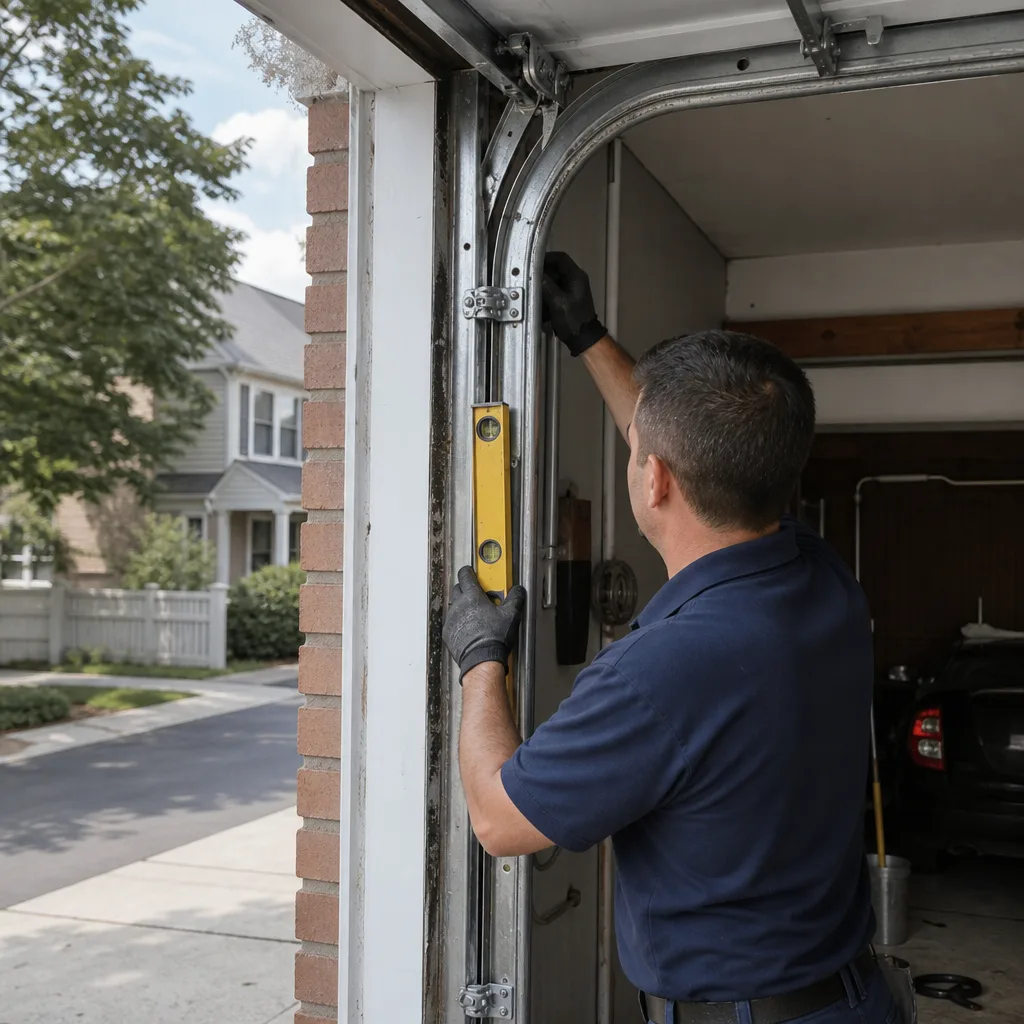
Replacing a weather seal is one of the few garage door jobs that doesn’t carry the same risk profile as spring or cable work. There’s no stored tension in the bottom rubber, no high-tension springs involved when you’re just sliding a new seal into the retainer. The danger is minimal, but the annoyance is real: the old seal often comes out in pieces, the channel is full of packed dirt and small stones, and a new seal that’s a half-inch too wide won’t slide through without a fight that involves a lubricant and a lot of patience.
What makes it worth a service call is the upstream work. While the technician is under the door, we check the bottom panel for rust, the retainer for straightness, and the door’s travel limits to confirm the seal is the actual problem, not a symptom of a door that’s closing too high. In this trade, the seal is cheap. Misdiagnosing the reason it’s failing is what costs homeowners money. If you’d rather have a documented answer than a guess, call us at (970) 536-1724.
FAQs
A quality EPDM rubber seal lasts 5-8 years in New York City conditions before it hardens enough to notice. The freeze-thaw cycles, road salt spray from winter plows, and summer humidity combine to age the rubber faster than a dry-climate door would. If your seal is older than eight years, you’re on borrowed time, and a visual inspection will show measurable hardening. Call (970) 536-1724 and we’ll give you a straight answer on whether it’s worth replacing now or waiting.
Not in a way that lasts. Once EPDM rubber has cracked through, any sealant or adhesive patch you apply will fail within weeks because the material continues to flex with every open-and-close cycle. The only long-term fix is removing the failed seal and seating a new one. The replacement itself is the repair.
The job takes 30 to 60 minutes for most standard doors. That includes removing the old seal, cleaning out the retainer track, sliding the new material in, and testing the door through a full cycle. If the retainer needs replacement too, add about 30 minutes.
We stock the common profiles on every truck: 3-inch and 4-inch T-channel, bead-end, and snap-in, in lengths that cover everything from an 8-foot to an 18-foot door. The only time we need a second trip is for an unusual retainer profile that we identified from your photo ahead of time. The price is a flat written quote before anything’s touched, so you’ll know the full number before we start. Call (970) 536-1724 for an estimate.
Why Servo Garage Doors for Your LiftMaster Weather Seal Replacement
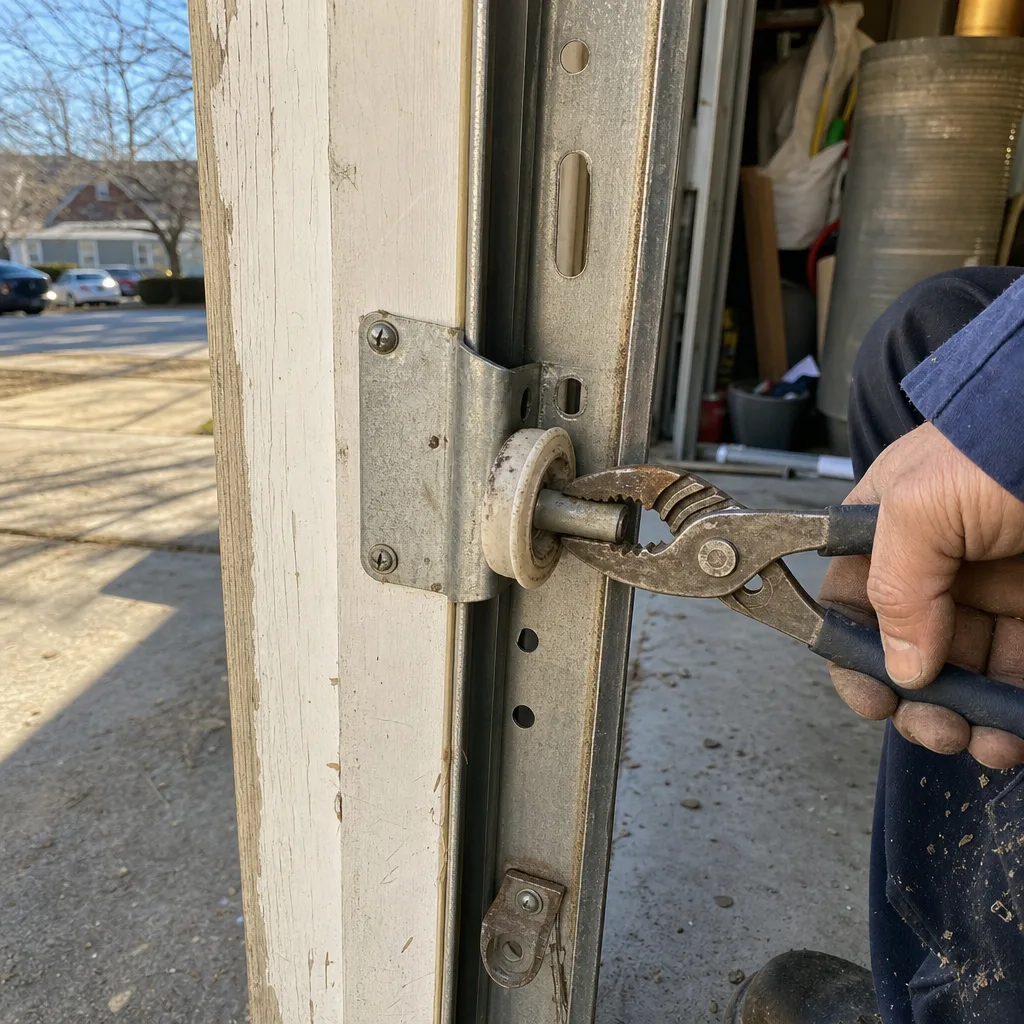
We’ve been making garage doors right in New York City since 2015, with 18,000+ doors under our belt, every one of them quoted with a written price before work started and closed with a documented photo record when the technician left. The weather seal might seem like a small job, but the standard’s the same: name the part, quote the range, do the work. The photo evidence is part of the service, not an upgrade. The written quote is how we open, not how we close. And if you have a written estimate from another company, we’ll give you a free second opinion on it. Bring the paperwork.
Get a Free Estimate
If your LiftMaster door is showing daylight under the bottom, call us at (970) 536-1724 and we’ll walk you through a quick way to identify your seal profile over the phone. In most cases, we can tell you the installed price range before we even schedule the visit. Emergency calls are answered by a real person 24/7, and every job, including a $95 seal replacement, includes the photo documentation and the written scope. That’s how we’ve worked since the first door we touched in 2015.
Written by Marcus Deller, Owner, Servo Garage Doors at Servo Garage Doors, serving New York City and nearby areas.