
Full 25-point door and opener safety check with every visit - springs, cables, rollers, tracks, and your LiftMaster or Chamberlain opener included
You get a price before we start. It does not change when the truck arrives.
 Before
 After
After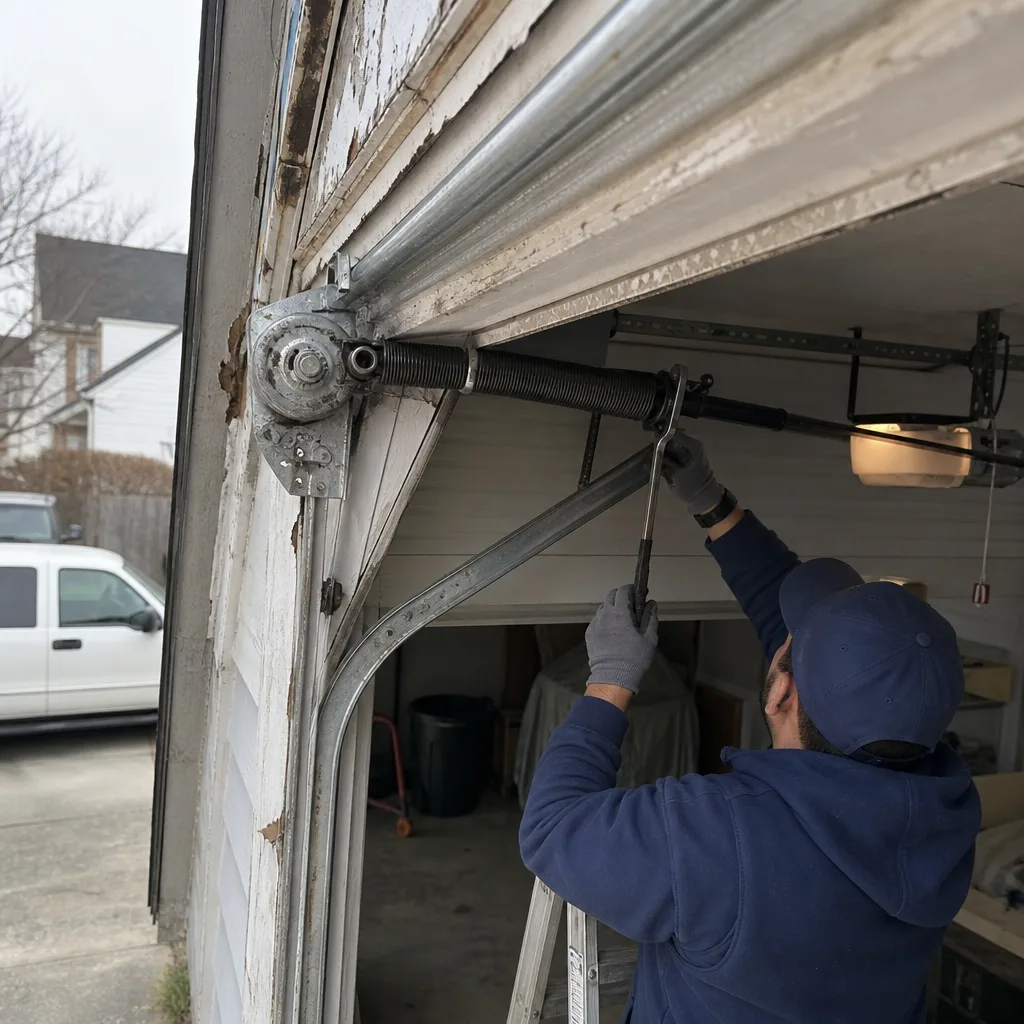 Before
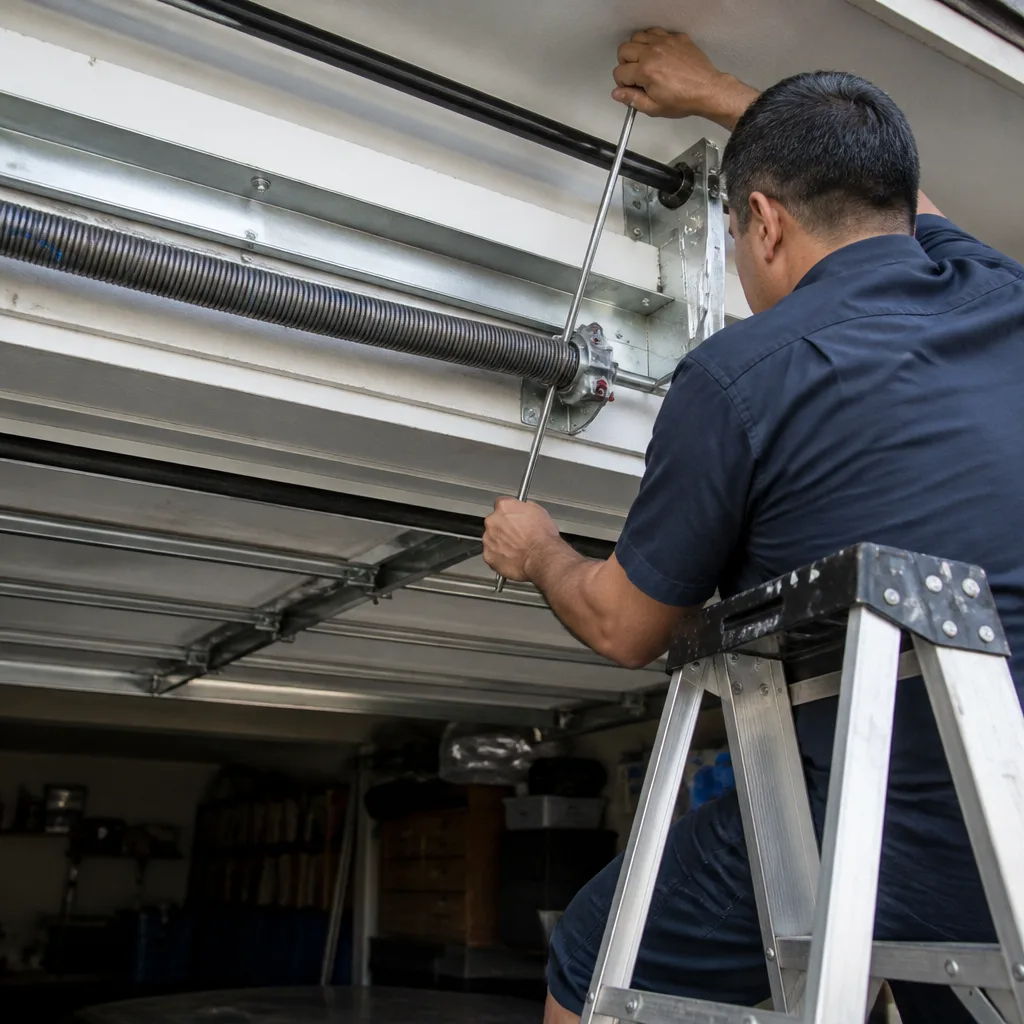 After
After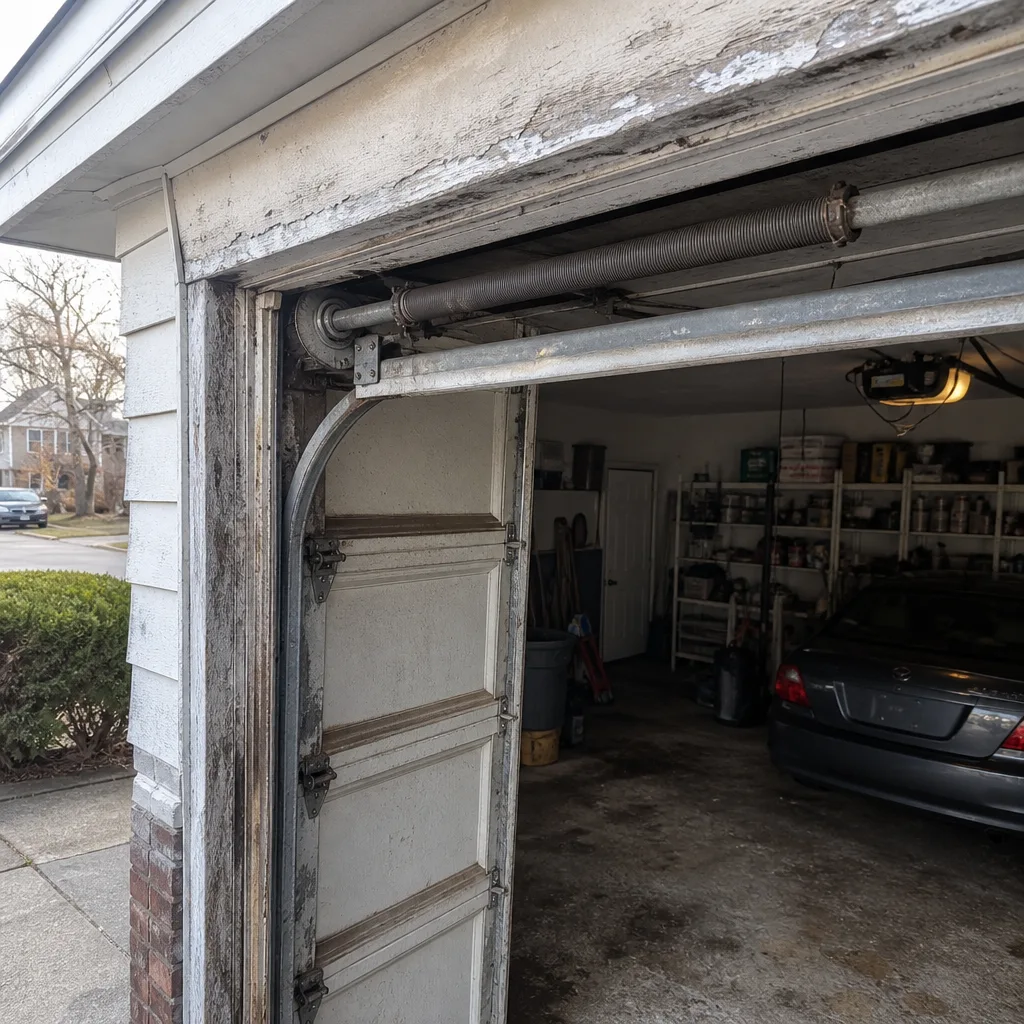 Before
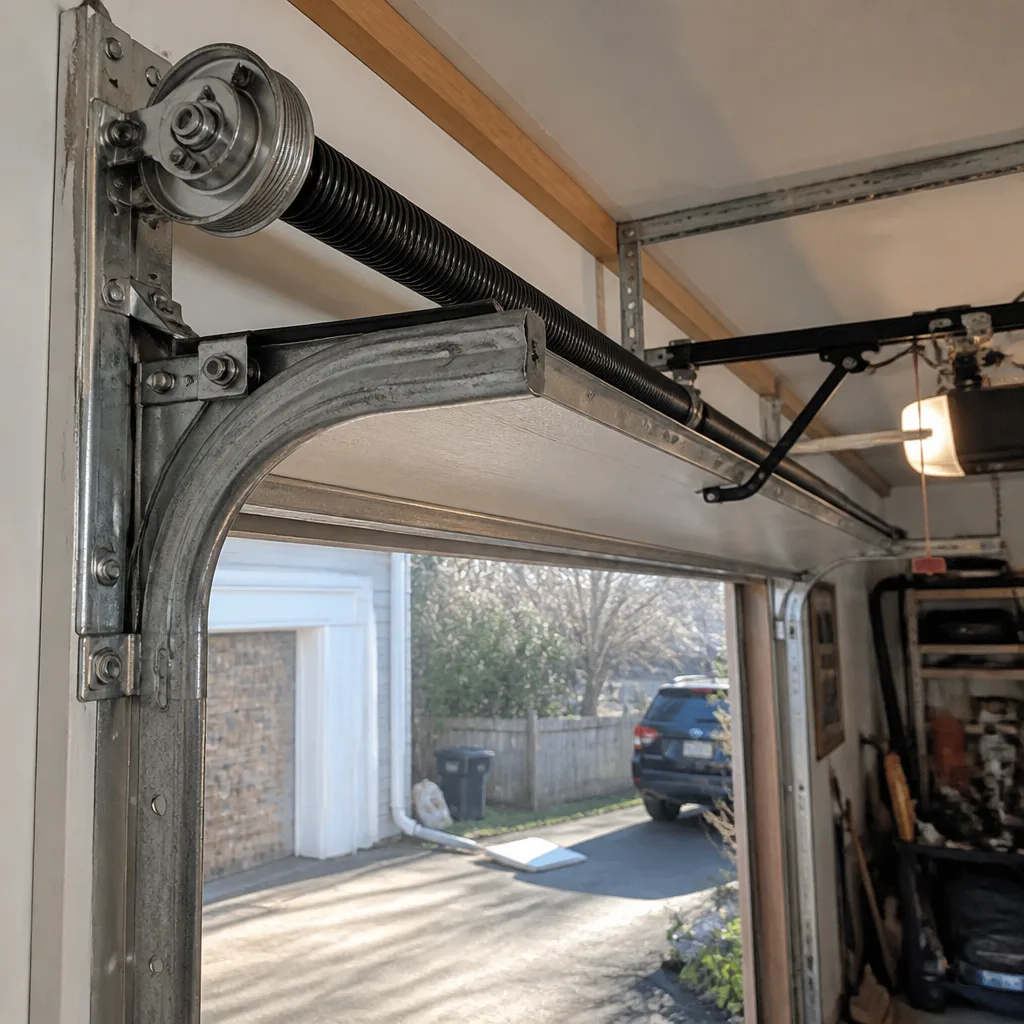 After
AfterGenie Roller Replacement: The New York City Owner’s Guide
Genie roller replacement in New York City typically runs $130 to $260 installed, and we do it on a written flat price, not an estimate that drifts. We stock Genie-compatible rollers on the truck, so most jobs are finished in one visit. The way owners usually find this page is specific: the door starts shuddering halfway up, or it sounds like a shopping cart dragging over gravel, and then one day it hesitates on the way down and hangs crooked in the tracks.
That’s a roller failing. Not the opener, not the spring. Rollers carry the full weight of the door through the track, and when one wears out or the bearing seizes, the door tells you. The fix is straightforward for a technician who brings the right parts: swap the set, lube nothing that shouldn’t be lubed, check the track alignment while the door is open, and photograph what came out before a quote is ever discussed.
Which Genie Models This Applies To
If your garage door opener says Genie on the motor housing, that’s the opener. The rollers belong to the door itself, and they’re specified by the door’s track and hinge geometry, not by the opener brand. That’s the first compatibility gotcha. A Genie-branded door from a big-box install in the 2010s may take a standard 2-inch nylon roller; an older commercial-style door in a Queens co-op garage may take a 3-inch roller with a thicker stem. The opener badge doesn’t tell you which one.
What we check on-site: roller diameter, stem length, and bearing type. Most residential doors in the five boroughs use 2-inch rollers with 4-inch stems, either nylon or steel with sealed ball bearings. Some older Genie-installed doors take a 7/16-inch stem instead of the more common 3/8-inch, and mixing them up means the roller wobbles and eats the hinge. We carry both sizes, plus quiet-run nylon rollers with sealed bearings for owners who are tired of hearing the door from the street. OEM Genie rollers are fine. Good aftermarket sealed-bearing rollers are often quieter and outlast OEM plastic-bearing units by a couple of years.
Servo Garage Doors is an independent service provider. We’re not affiliated with Genie. We stock Genie, LiftMaster, and Chamberlain parts because those are the three brands New York City garages wear out most, and it means fewer return trips for the part we didn’t guess right the first time.
Signs Your Genie Roller Replacement Is Failing
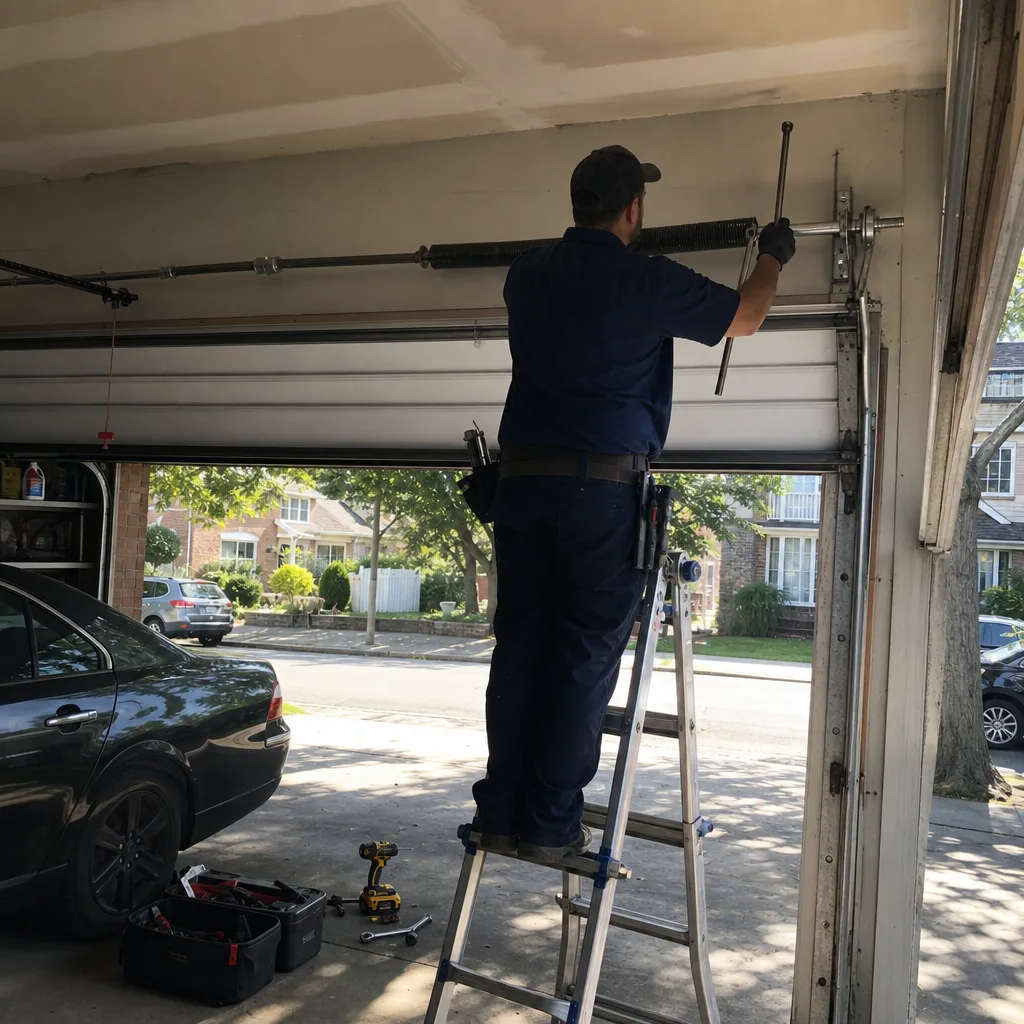
- The door shudders or jerks as it travels. One seized roller bearing drags against the track while the others roll. The opener motor compensates unevenly, and the shaking pattern usually matches one roller’s rotation point.
- A metallic scraping or grinding sound on one side. The roller bearing has failed and the wheel is sliding instead of rolling. Steel-on-steel scraping means the track is now wearing, not just the roller.
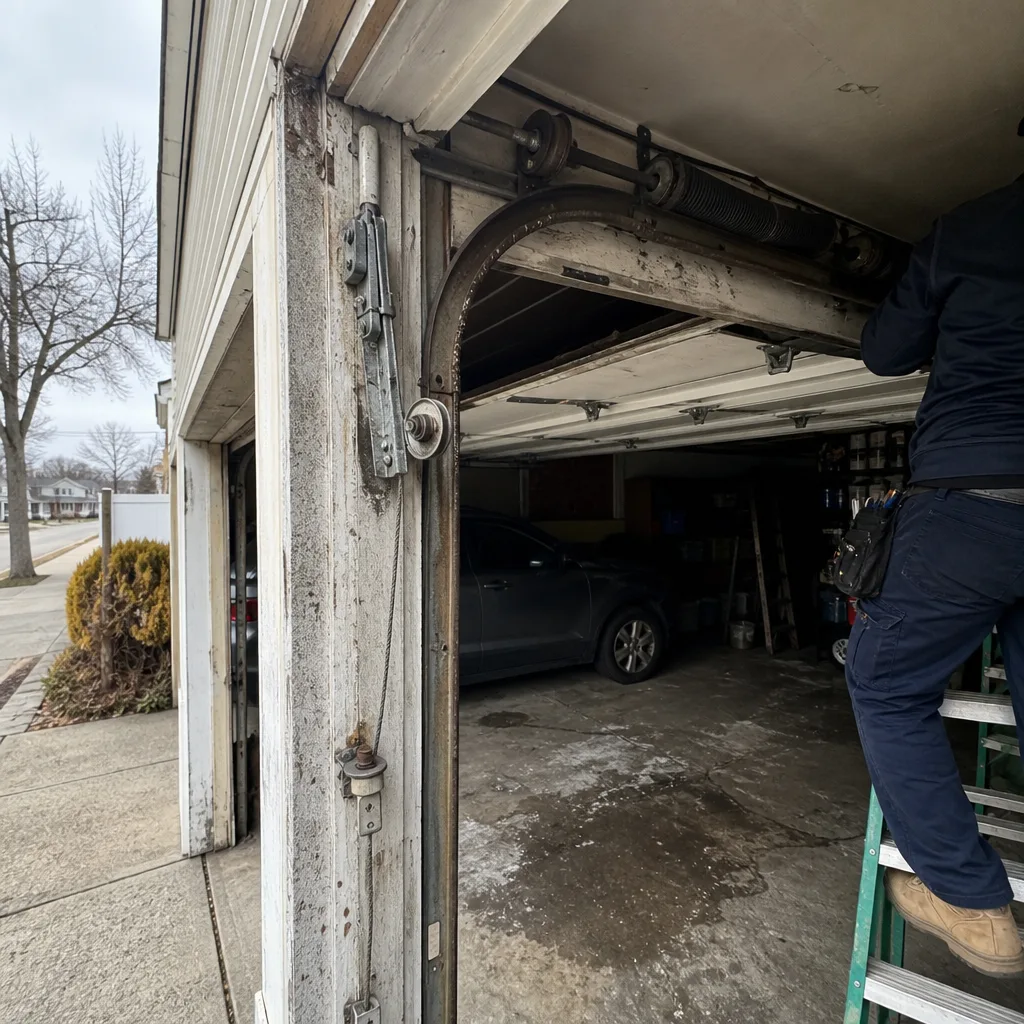
- The door hangs visibly crooked in the opening. When a roller fails, that corner loses support and drops. The gap between the door edge and the track at that roller is the tell. On doors with failing rollers at the bottom, the gap often widens at night as temperature drops.
- Chunks of nylon or plastic on the garage floor near the track. Nylon rollers shed material as the wheel degrades. A small pile of off-white shavings under the track is the part telling you it’s done.
- The opener struggles more on cold mornings. Steel tracks contract in New York winter, and a marginally failing roller that slid okay in July binds hard at 20 degrees. If the door groans only on cold starts, the rollers are near the end.
BeforeAfterReplacement Cost & What’s Included
Installed Genie roller replacement in New York City runs $130 to $260. The low end covers a standard residential set where all rollers are accessible with the door up and the labor is under an hour. The high end covers doors with steeper track angles, high-lift setups common in brownstone and walkup garages, or rollers on the bottom brackets that are rust-fused and need extra work to extract.
The price is quoted before any work starts, in writing, for the full set of rollers, including the part, the labor, and the track-and-hinge check while we’re in there. What’s not included: replacing hinges, track sections, or cables found while the work is underway. If we find something like that, we stop, photograph it, and show you a separate written price before touching it. Clause 1 of The Haven Standard is the reason ‘call for a quote’ doesn’t exist here. Every roller set we install is covered by our 365-Day Done Right Promise: if a roller we put in fails inside a year, we replace it and the labor is on us.
We recommend replacing rollers as a full set, not one at a time. When one fails, the rest are the same age and have been through the same New York humidity-and-salt cycles. Replacing one just means a second service call in four months for the neighbor roller.
DIY or Call Us?
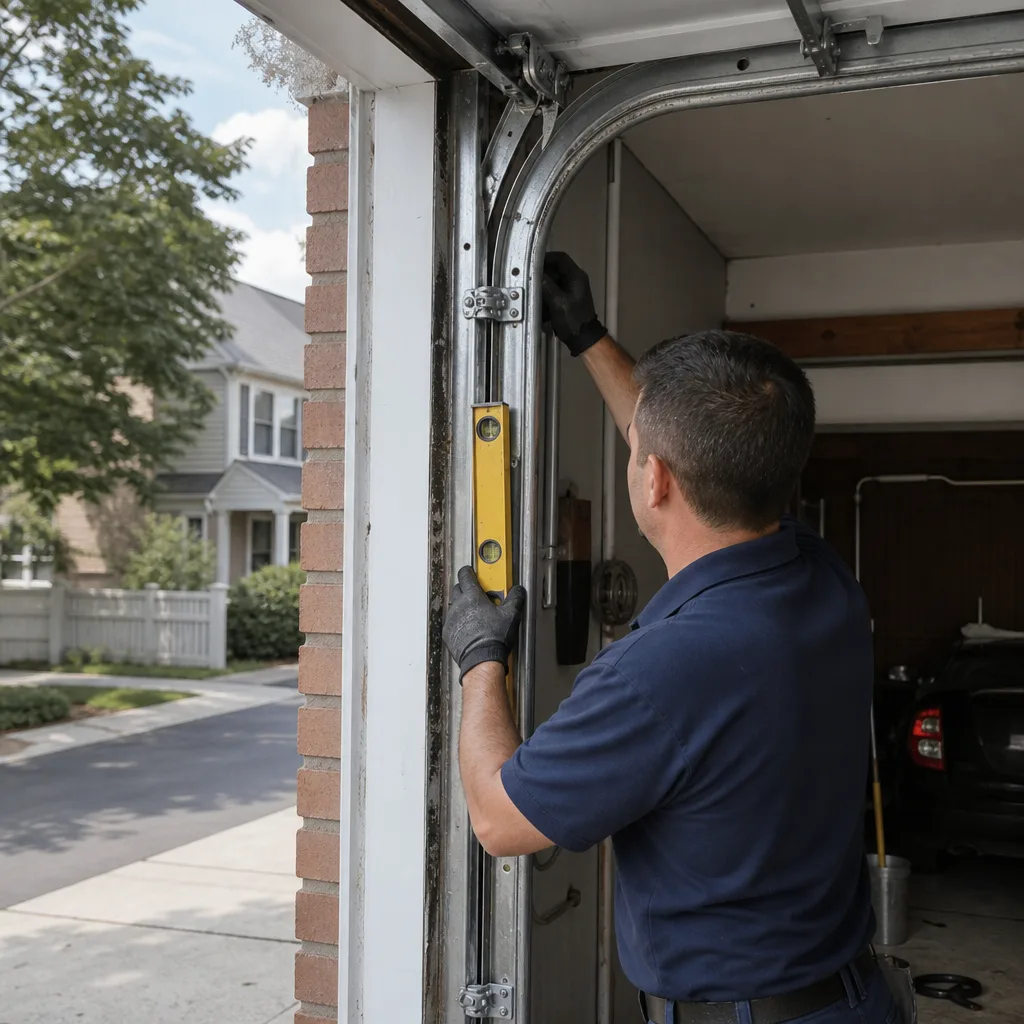
You can safely inspect your Genie-door rollers from inside the garage with the door closed: look for nylon shavings, listen for grinding as the door runs, and check whether any wheel sits off-track. What you should not do is unbolt a bottom-bracket roller yourself. The bottom bracket is under spring tension, and on torsion-spring doors, that tension is strong enough to take off fingers or worse. Even on extension-spring doors, releasing the bottom bracket without securing the door is how people end up in an emergency room.
If the failing roller is mid-track, a careful owner with the right tool can sometimes swap it. The failure mode we see most in New York City is rust, not just wear, and rust-fused roller stems that fight a wrench usually end with a stripped hinge or a bent track. That’s a $140 to $285 track realignment on top of the roller job. When you factor in the parts run, the weekend, and the trip to the hardware store for a tool you’ll use once, the honest math usually favors calling us. Name the part. Quote the range. Do the work. Call (970) 536-1724 and we’ll quote the roller replacement on site, in writing, before anything comes off the door.
FAQs
A quality nylon roller with a sealed bearing lasts 7 to 10 years on a residential door in New York City, and less if the door faces a busy street or the garage is damp. Steel rollers without bearings last 5 to 7 years before they get loud, not necessarily failed. If your door is older than a decade and you’ve never replaced rollers, you’re on borrowed time. Call (970) 536-1724 and we can inspect them on the same visit.
Once a roller bearing seizes or the nylon wheel chips, the roller is done. No amount of lubricant fixes a flat-spotted wheel or a seized bearing. Replacement is the only correct fix. We’ll show you the failed roller in the photo record before we quote the set.
A standard residential set takes 45 to 90 minutes once we’re on site, including the track clearance check and photo documentation. High-lift or commercial-style doors in older New York City buildings can run longer. You’ll see the written price before we start, and the final photo record before we leave.
Yes. We carry 2-inch and 3-inch rollers, 3/8-inch and 7/16-inch stems, and both nylon and steel configurations, so we can match the door geometry on the first visit. The price includes the full set, and the warranty is in writing with the paperwork you keep.
Written by Marcus Deller, Owner, Servo Garage Doors at Servo Garage Doors, serving New York City and nearby areas.