
Full 25-point door and opener safety check with every visit - springs, cables, rollers, tracks, and your LiftMaster or Chamberlain opener included
You get a price before we start. It does not change when the truck arrives.
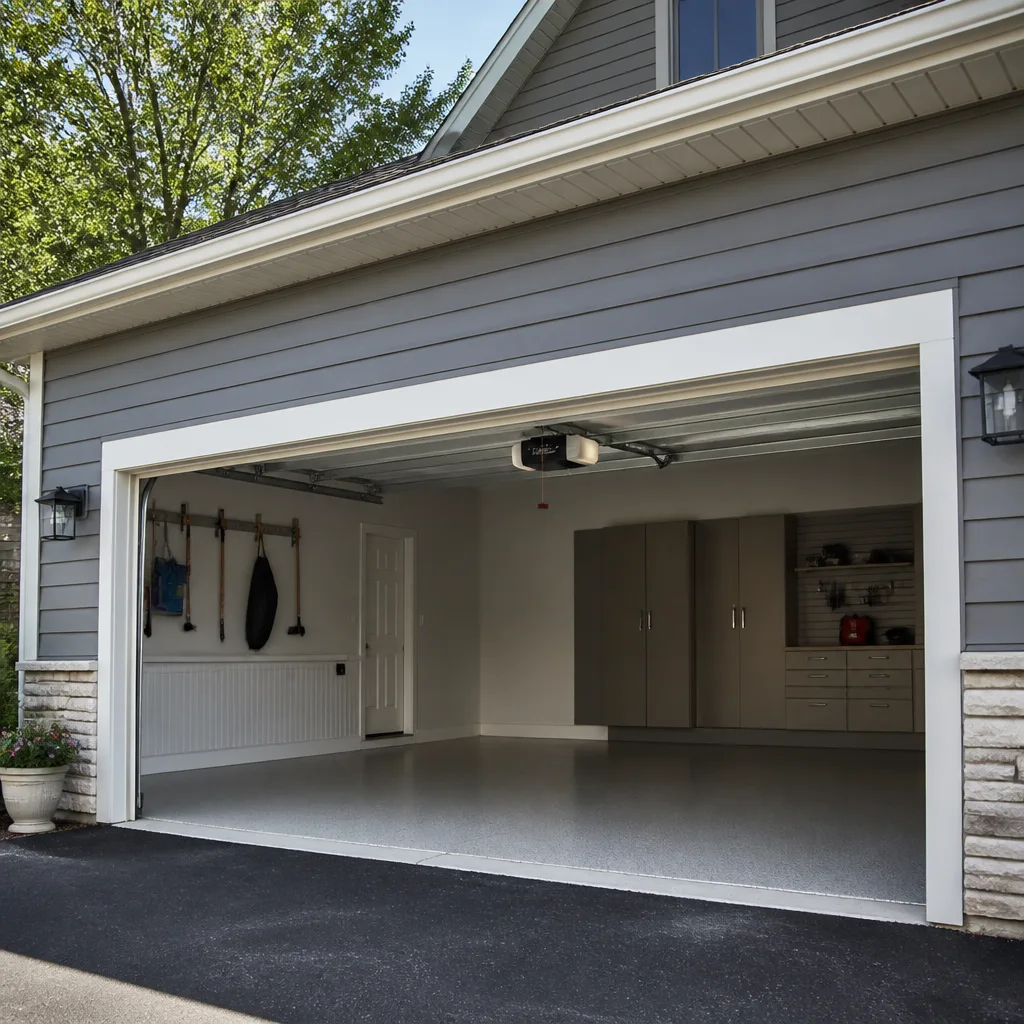
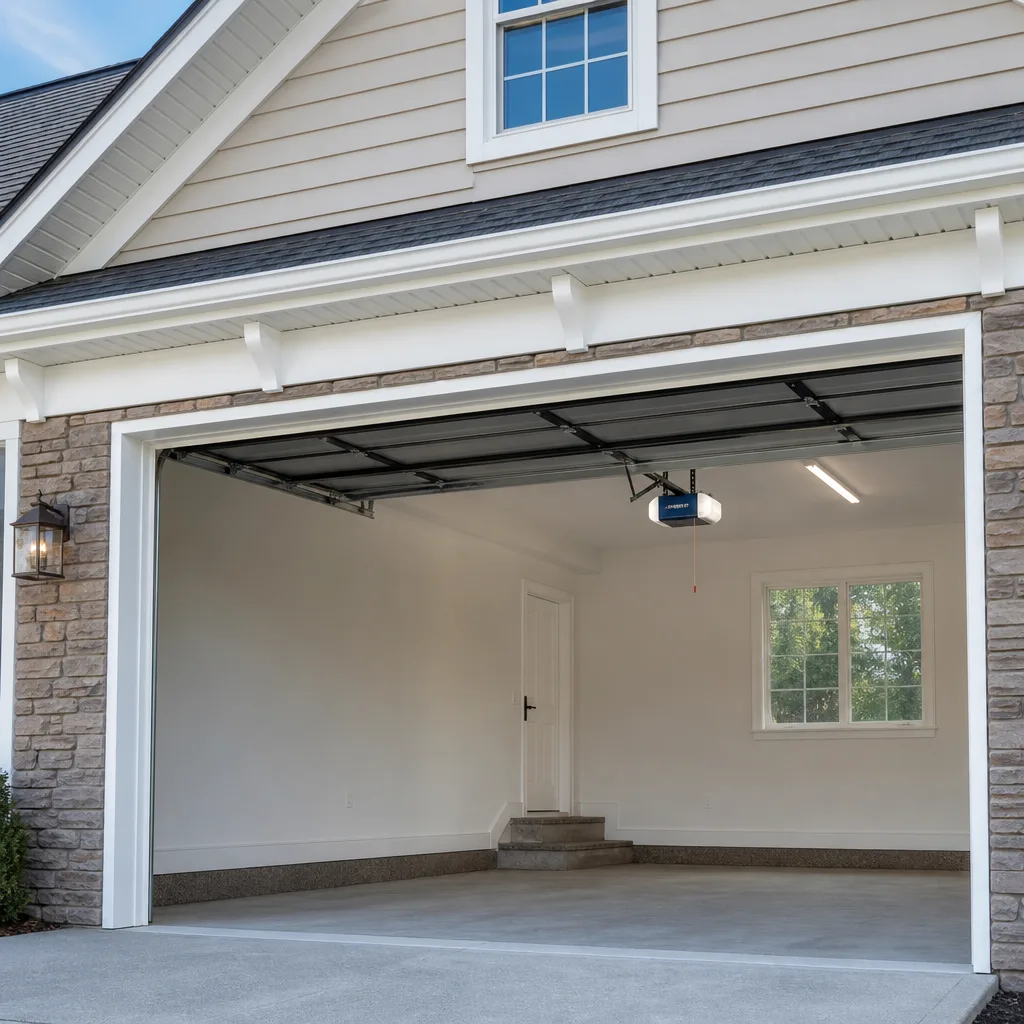
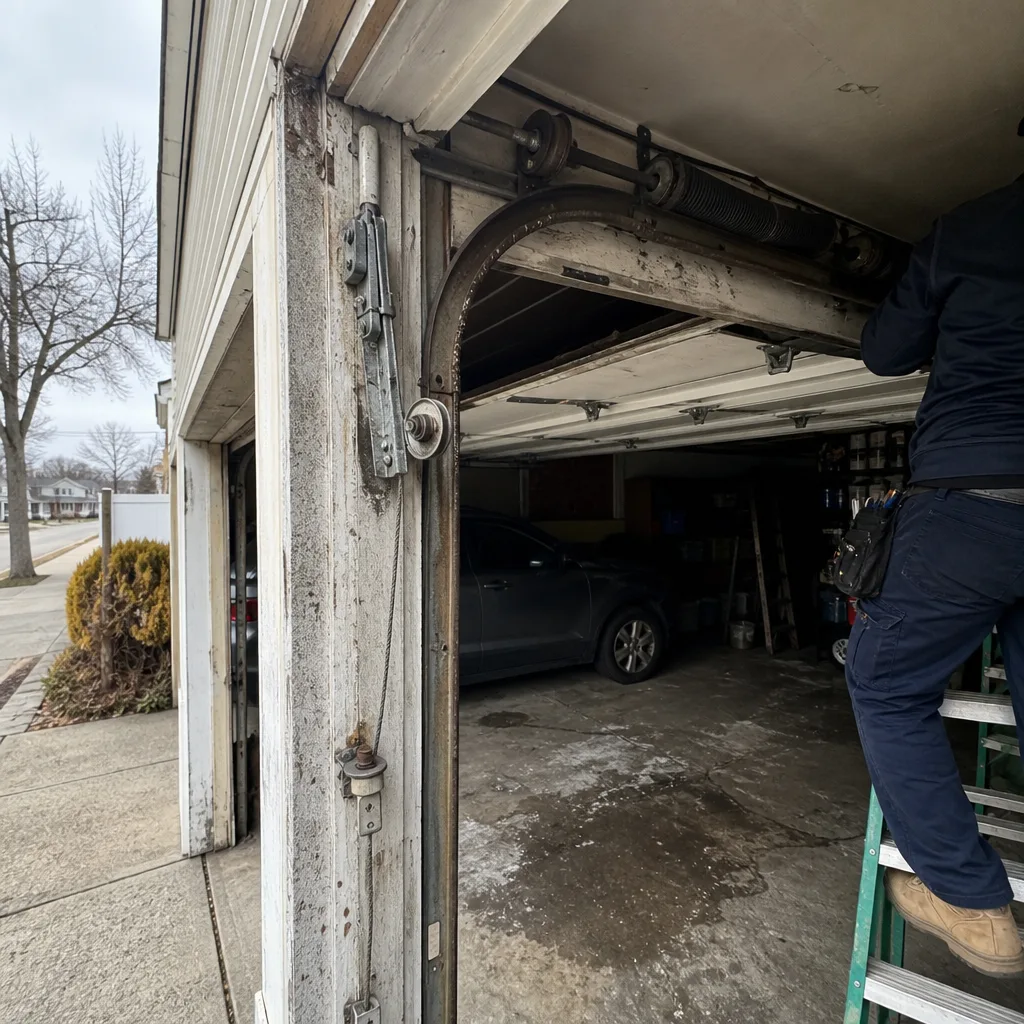 Before
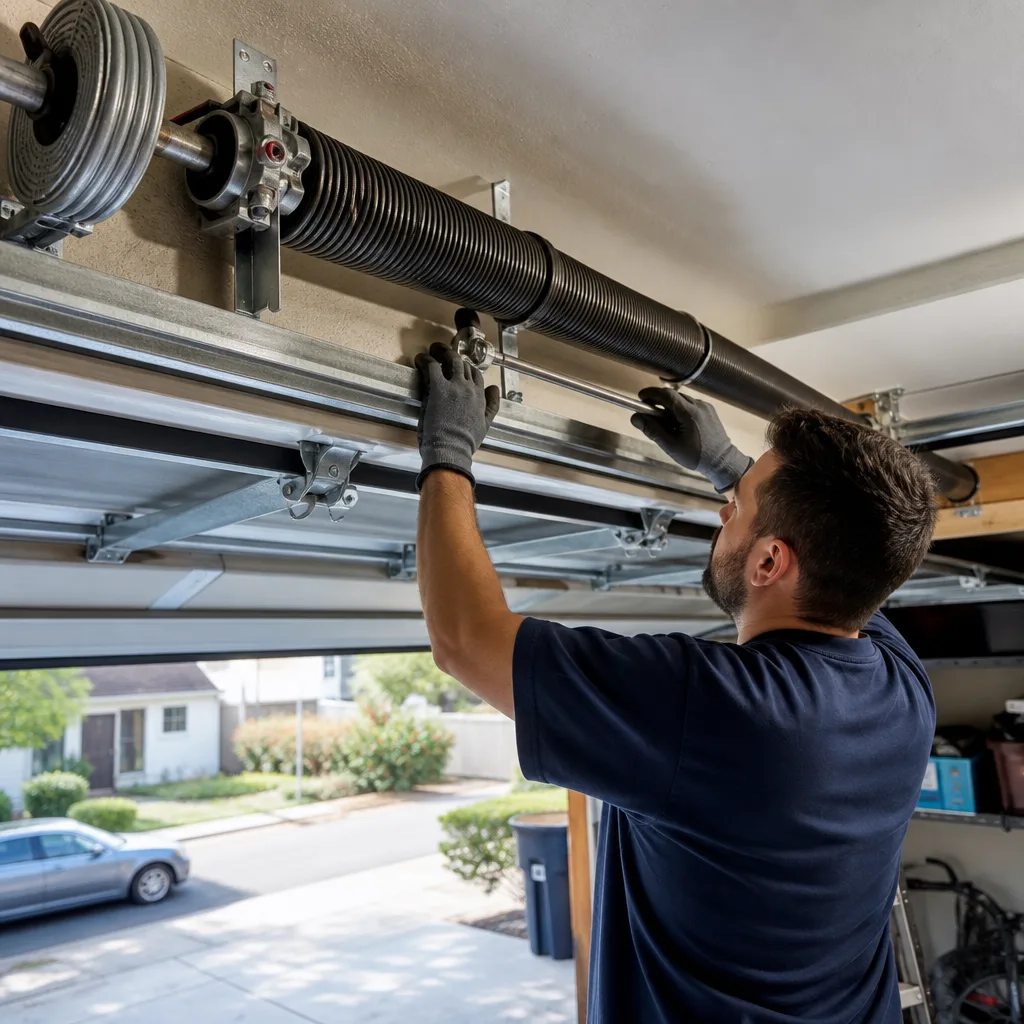 After
After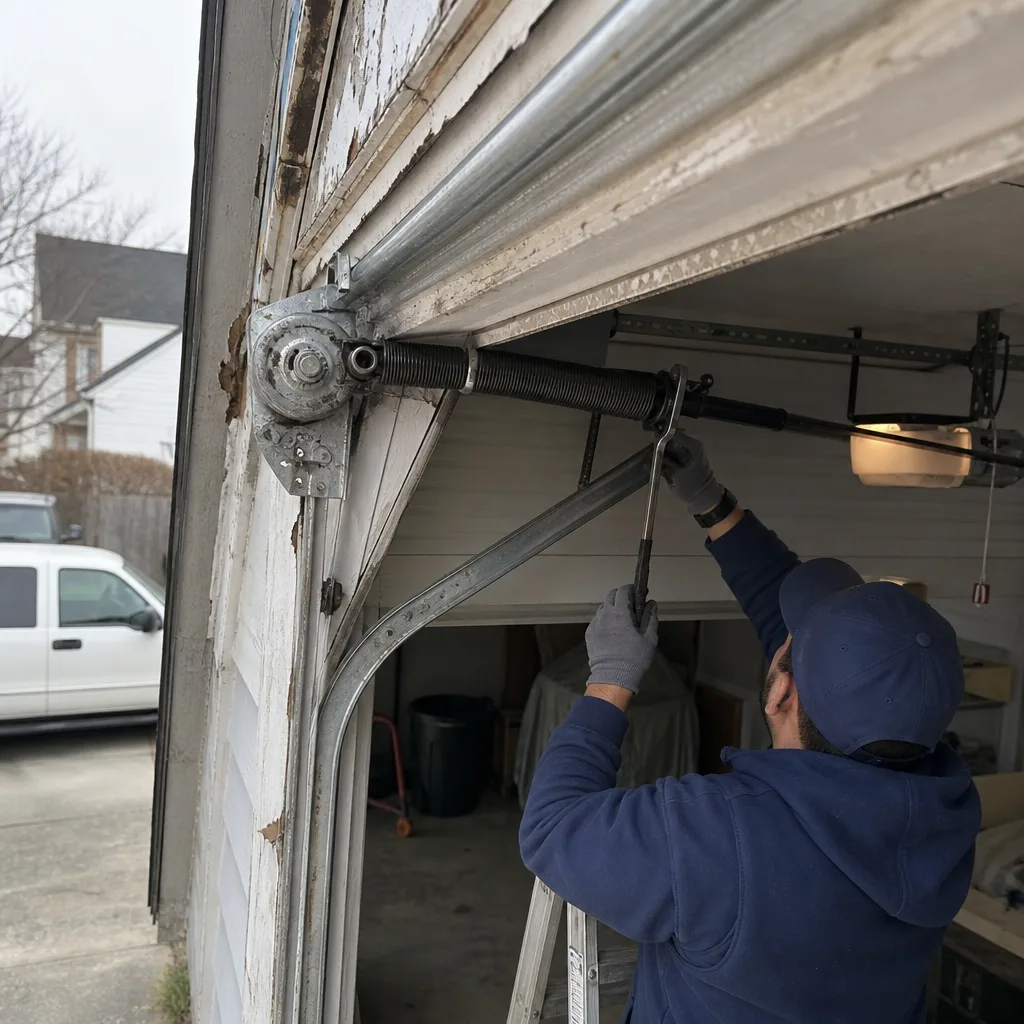 Before
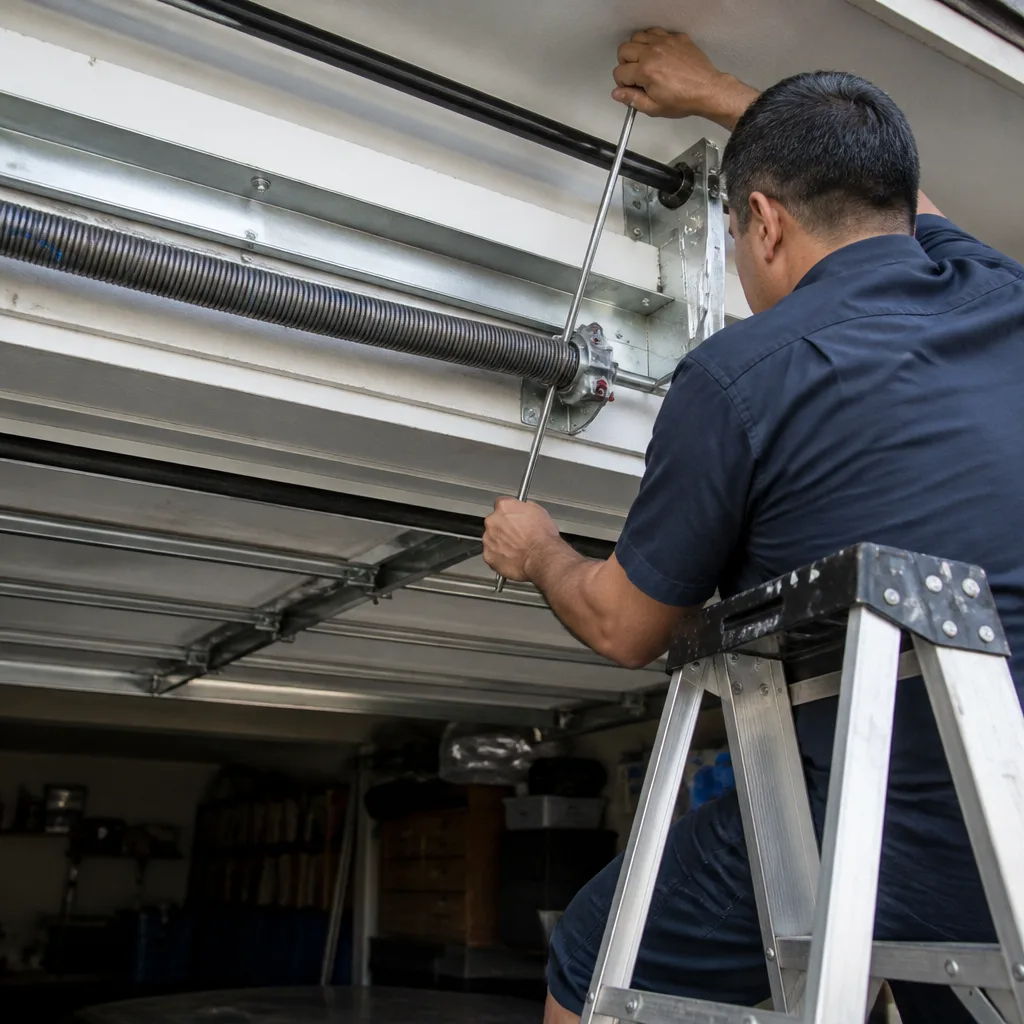 After
After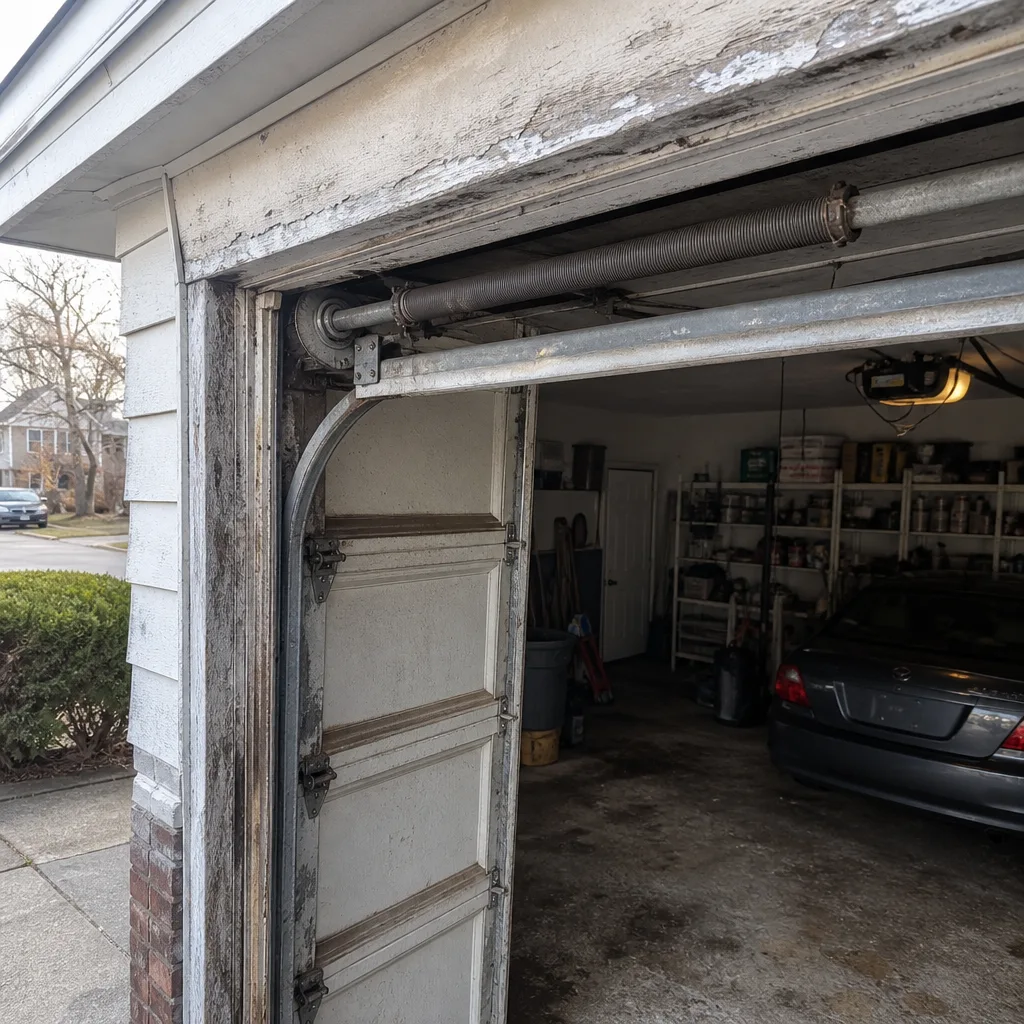 Before
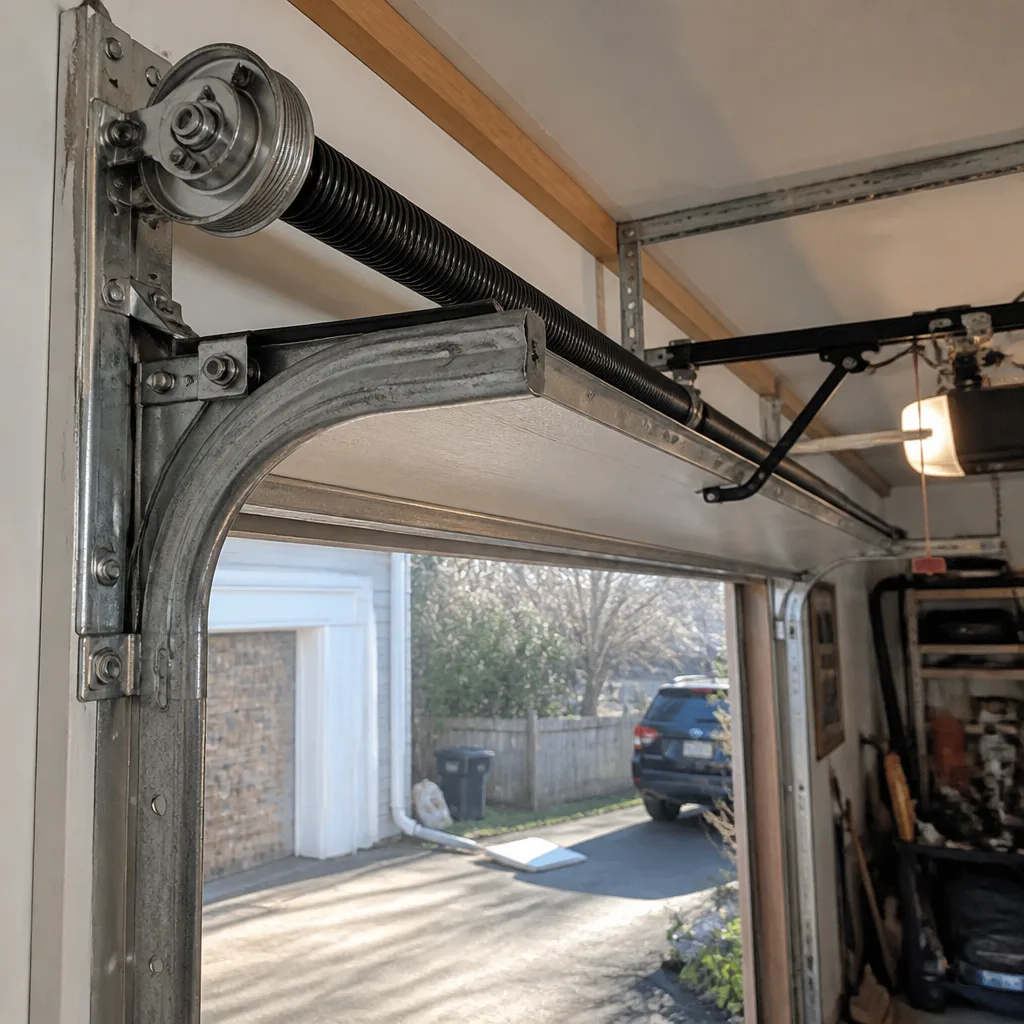 After
AfterChamberlain Torsion Spring Replacement: The New York City Owner’s Guide
If your Chamberlain garage door stopped lifting midway, stalled on the way up, or made a sound like a gunshot from inside the garage, the torsion spring above the door is the likely cause. We stock and install Chamberlain-compatible torsion springs in New York City with typical installed pricing of $210-$400, and our trucks carry the most common sizes so we usually complete the swap the same day. The spring is mounted horizontally on a metal shaft above the closed door, and it counterbalances the door’s weight so the opener only has to guide it, not lift it. When that spring fails, you’ll typically find the door either stuck fully down or refusing to stay up more than a foot.
Most New York City owners discover the problem the same way: one loud bang from the garage, followed by an opener that runs but a door that doesn’t move. That bang is the spring snapping under torsion load. The opener’s motor will keep trying, the belt or chain will strain, and the door won’t go anywhere because the spring that did 90 percent of the lifting work is now in two pieces on the shaft.
- The core question: A Chamberlain torsion spring replacement in New York City runs $210-$400 installed, and yes, we typically have the spring on the truck.
- The core risk: These springs hold thousands of pounds of stored torque. This is not a DIY part.
- The core fix: We match the spring’s dimensions and wire gauge to your door weight, install both springs in the pair, balance the door, and hand you a photo record of everything before we leave.
Which Chamberlain Models This Applies To
Chamberlain doesn’t make the door itself in most cases; it makes the opener. The torsion spring on your setup is a door component, and it’s sized to the door’s weight, height, and track configuration, not to the Chamberlain opener model bolted to the ceiling. We see Chamberlain openers paired with doors from every major manufacturer across New York City, and the spring replacement works the same way regardless of whose name is on the opener.
The spring you need is identified by four measurements: wire diameter, inside diameter, length, and wind direction, which includes left-hand and right-hand wind on paired spring systems. The door’s weight is the variable that matters; a 16-by-7-foot steel door takes a different spring than a 9-by-7-foot aluminum one. If you have a Chamberlain opener with a belt drive, chain drive, or the newer wall-mount series, the spring replacement path is unchanged. The door’s manufacturer label, typically stamped on the inside edge of the door or on the end bearing plate, will list the spring specifications if the original spring is still legible, but after ten or fifteen years of New York City humidity, that label is often unreadable and the old spring’s measurements are what we rely on.
For the replacement part itself, we source OEM-spec springs from the same manufacturers that supply door builders, which means the spring is not a Chamberlain part but an exact match to the one the door was designed around. We don’t push “upgraded” springs that promise longer life; the metallurgy on a standard torsion spring is what it is. A spring with a thicker wire diameter than the door calls for will make the door feel heavy and strain the opener. A thinner wire diameter cycles too quickly and fails early.
One compatibility gotcha that catches New York City owners: two-spring systems are supposed to be replaced in pairs. The second spring has the same number of cycles on it as the one that snapped, and replacing only one leaves an unbalanced door that will eat the new spring faster than it should. When we quote a Chamberlain-related torsion spring replacement, the quote covers both springs if the door has a two-spring setup, because doing half the job just schedules the next failure.
Signs Your Chamberlain Torsion Spring Replacement Is Failing
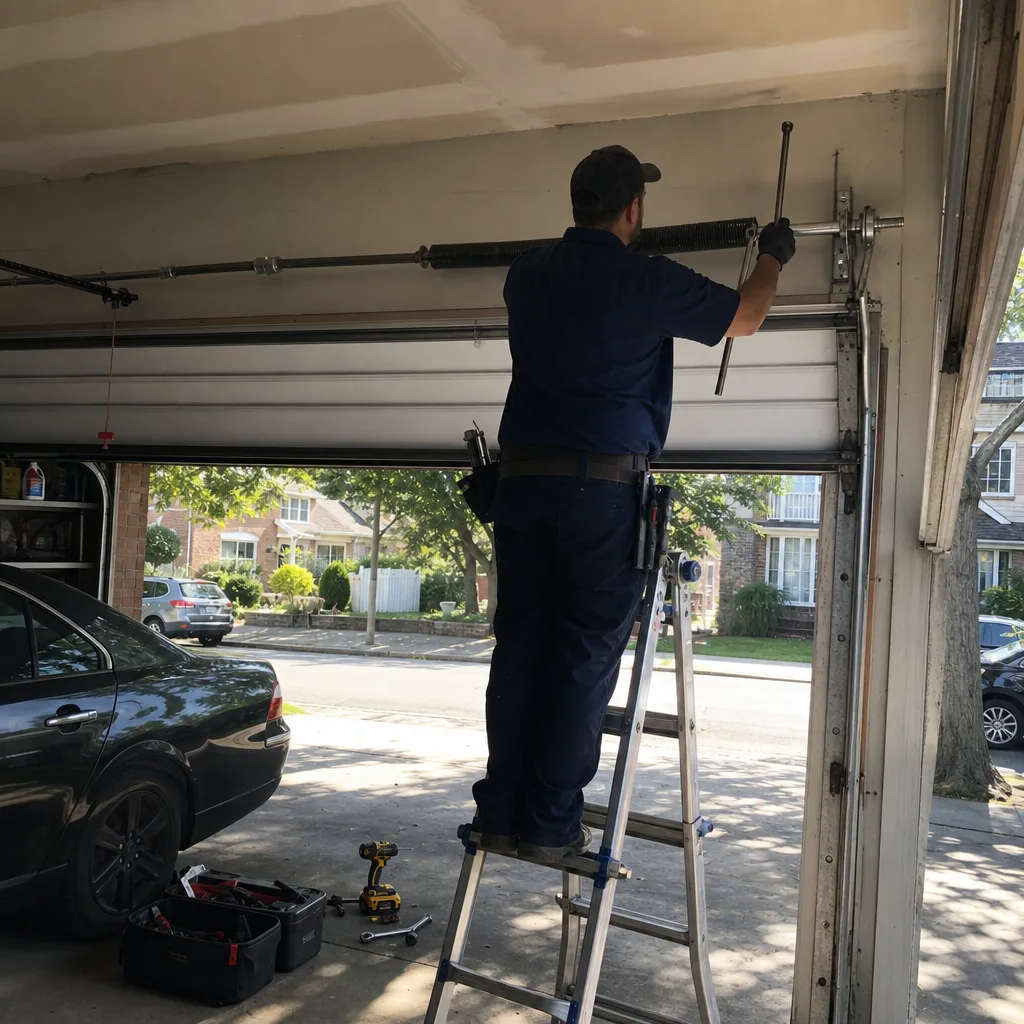
- A visible gap in the spring coil. The most obvious sign is the spring on the shaft above the door showing a clean two-to-three-inch separation where the break happened. That’s the post-failure state, not a warning sign, and it means the door’s entire weight is now hanging on the opener, which it wasn’t built to handle.
- The door opens a few inches and stops. When the spring has lost tension but hasn’t fully snapped, the door’s weight overwhelms the opener’s lifting force. The opener’s force setting may be the first thing you suspect, but the spring is usually the culprit, especially on doors older than eight years.
- The door feels heavy when you disengage the opener. Pull the red release handle and try lifting the door by hand. A properly balanced door should come up smoothly with one hand and hold at waist height. If it feels like a hundred pounds or slams down, the spring has lost its wind or is close to failing.
- Loud banging during operation. A tired spring doesn’t unwind smoothly. The door will jerk, and the spring’s coils will bind against each other, producing a rhythmic clanging that’s distinct from the opener’s normal noise. In New York City garages, where doors are often the largest moving object in the building, that sound echoes enough to mistake for a structural problem.
- The door sits crooked or the cables look loose. When one spring in a pair fails, the remaining spring pulls from one side, and the door lifts unevenly. The cables that spool onto the drums at each end of the shaft will show slack on one side, and the door may jam in the tracks on the way up.
BeforeAfterReplacement Cost & What’s Included
A Chamberlain torsion spring replacement in New York City runs $210-$400 installed, and the exact number depends on three things: the spring’s wire gauge and dimensions, whether the door carries one spring or a pair, and the condition of the center bearing and end bearing plates. Heavier doors with high-cycle springs land at the top of that range; standard single-car doors are at the bottom.
That price includes the springs, installation on both springs if it’s a paired system, balancing the door, lubricating the bearing plates, and tensioning the spring to the door’s actual weight using a torque measurement, not a guess. The price also includes the same documented photo record we’ve delivered on every job since the company was founded: you’ll see the broken spring, the new spring next to it, and the finished installation before we leave.
| Service Component | Typical Range in NYC |
|---|---|
| Chamberlain-compatible torsion spring replacement (single spring) | $210-$310 |
| Chamberlain-compatible torsion spring replacement (pair) | $300-$400 |
| Spring replacement with cable replacement (add-on) | $155-$295 added |
| Opener force/limit adjustment after spring install | Included |
The price is flat and written before work starts, per Clause 1 of The Haven Standard. You’ll know the number, the scope, and the part before the technician touches a single bolt. What gets quoted is what gets billed. There is no discovery fee added at the end, no “we found additional work” unless we walk you to the door, show you the worn part with the camera, and get your sign-off on the additional scope in writing.
On the warranty side, our torsion spring replacements carry the 365-Day Done Right Promise: if the spring or the install isn’t right within the year, we make it right. No pro-rating dance, no extended-warranty pitch.
DIY or Call Us?
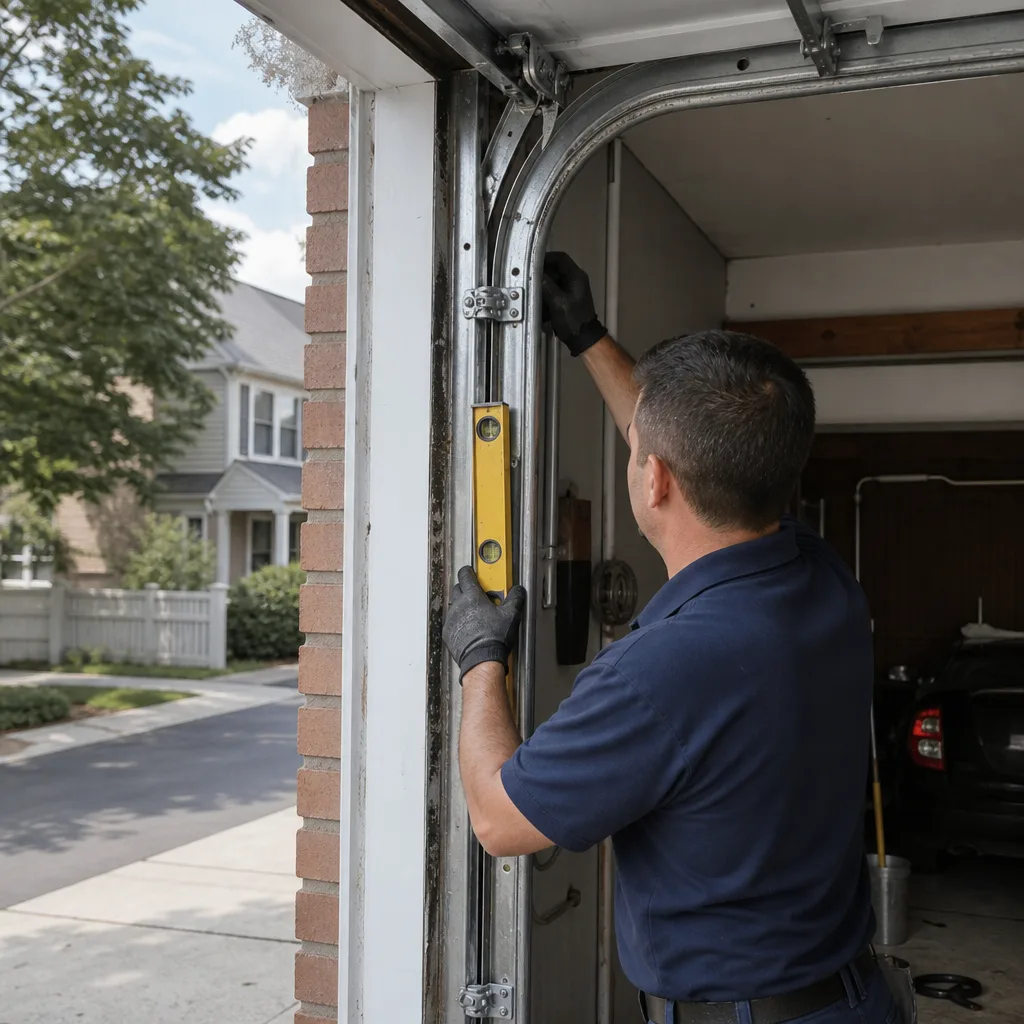
Don’t DIY this one. A torsion spring under load stores enough energy to break a forearm or worse if the winding bar slips, and the most common injury we hear about in New York City is an owner who got the spring halfway wound and lost their grip. The spring doesn’t just fall; it unwinds violently and unpredictably. Licensed technicians who install these daily still treat every winding with the same caution, because the spring doesn’t give second chances.
What you can safely do while you wait for us: clear the car out of the way, keep the door closed and the opener disengaged, and take a photo of the label on the side of the door if you can reach it without climbing on anything. Don’t run the opener, and don’t try to lift the door yourself; the door is a dead weight without a functional spring, and the cables can jump the drums if the door moves even a few inches unevenly.
If the spring has snapped, call (970) 536-1724. We’ll ask for the door’s make, approximate height and width, and whether it’s one spring or two on the shaft. That tells us which springs to load in the van, and it’s why we often finish the job the same day we arrive.
FAQs
A standard torsion spring is rated for roughly 10,000 cycles, which translates to about seven to ten years of normal use for a New York City garage door that opens twice a day, though salt air near the waterfront can shorten that lifespan by accelerating corrosion on the coils. The spring’s cycle rating matters more than its age, and after a decade, both springs in a pair are usually past their reliable life even if only one has snapped. Are you seeing a gap in the coil? Call (970) 536-1724 and we’ll get a spring on the truck for you.
No. A torsion spring cannot be welded, spliced, or re-tensioned back into service once the wire has fractured, because the break changes the spring’s structural integrity and any repair attempt leaves a projectile waiting to unwind under load. The only correct fix is replacement with a spring matched to the door’s weight and dimensions. We carry the common sizes on the truck in New York City, so call (970) 536-1724 and we’ll tell you over the phone whether yours is one we likely have.
A Chamberlain-compatible torsion spring replacement takes 45 to 90 minutes on a standard residential door in New York City, assuming the bearing plates and cables are in serviceable condition. The bulk of the time is spent unwinding the old spring, measuring door weight, and winding the new spring to the correct torque; the process isn’t rushed because getting the balance right is what determines how long the opener lasts. Same-day service is usual when the spring size is one we keep in stock, so call (970) 536-1724 early and we’ll aim for today.
Yes. We stock the most common wire diameters, lengths, and wind directions for residential doors in New York City, plus high-cycle upgrades for doors that open and close more than four times a day, which is common for shared driveways and buildings with multiple tenants. If we don’t have the exact spring on the van, we’ll give you a written price and a concrete appointment window so you know exactly what you’re waiting on. Call (970) 536-1724 and we’ll check the truck before we roll out.
Written by Marcus Deller, Owner, Servo Garage Doors at Servo Garage Doors, serving New York City and nearby areas.