
Full 25-point door and opener safety check with every visit - springs, cables, rollers, tracks, and your LiftMaster or Chamberlain opener included
You get a price before we start. It does not change when the truck arrives.
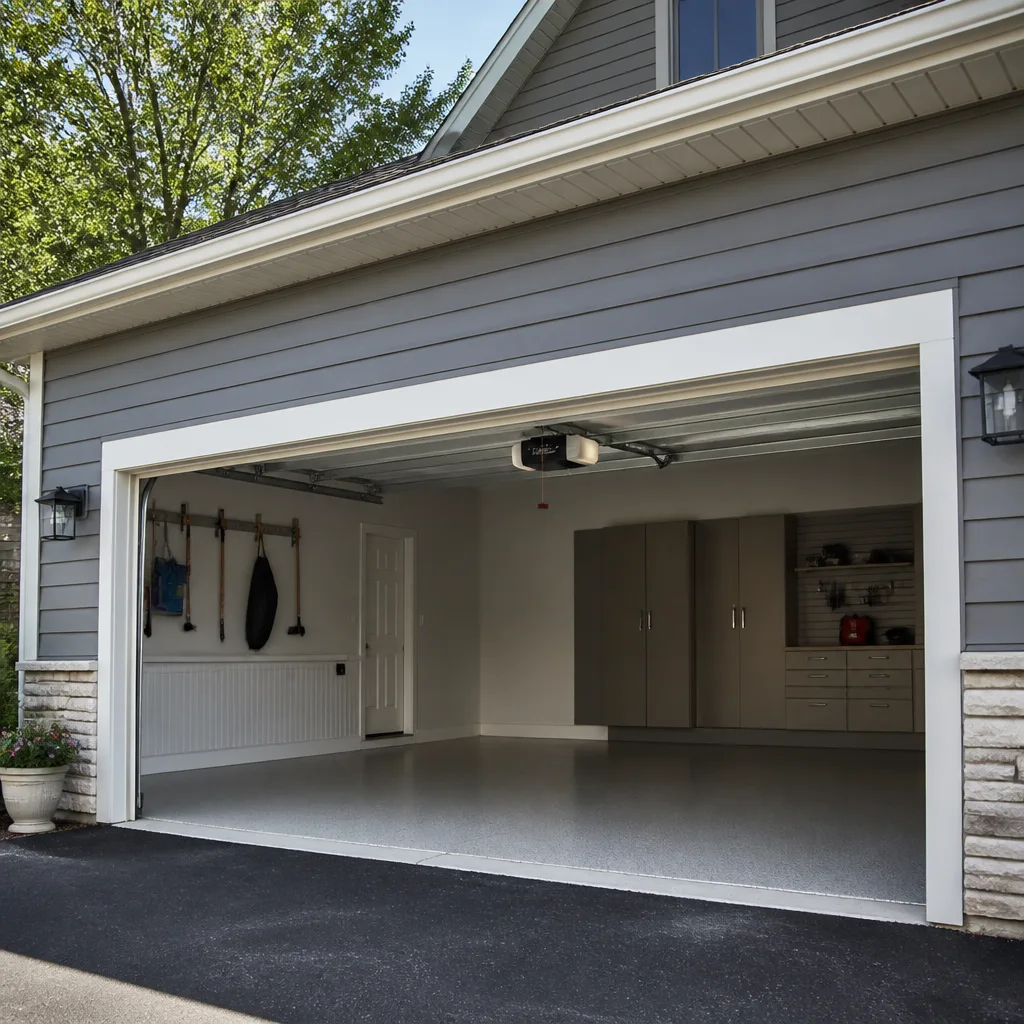
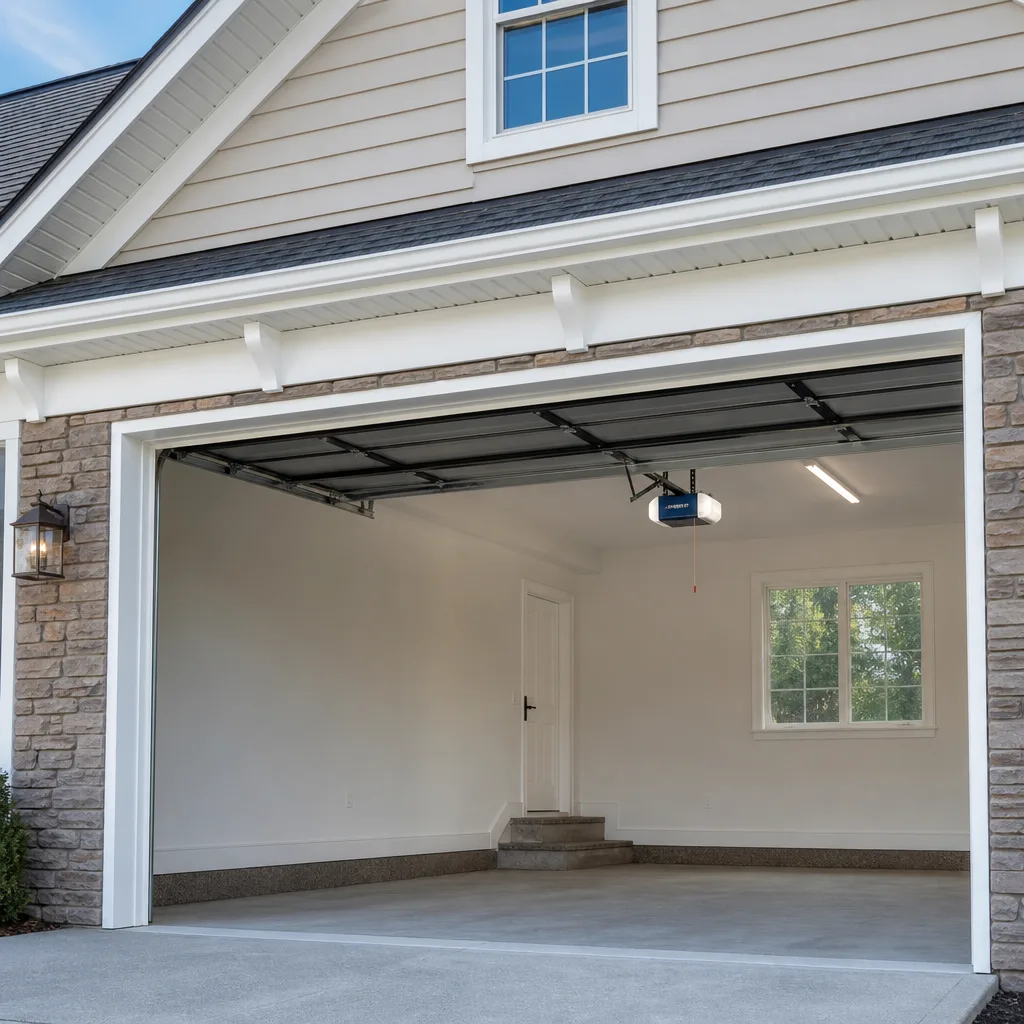
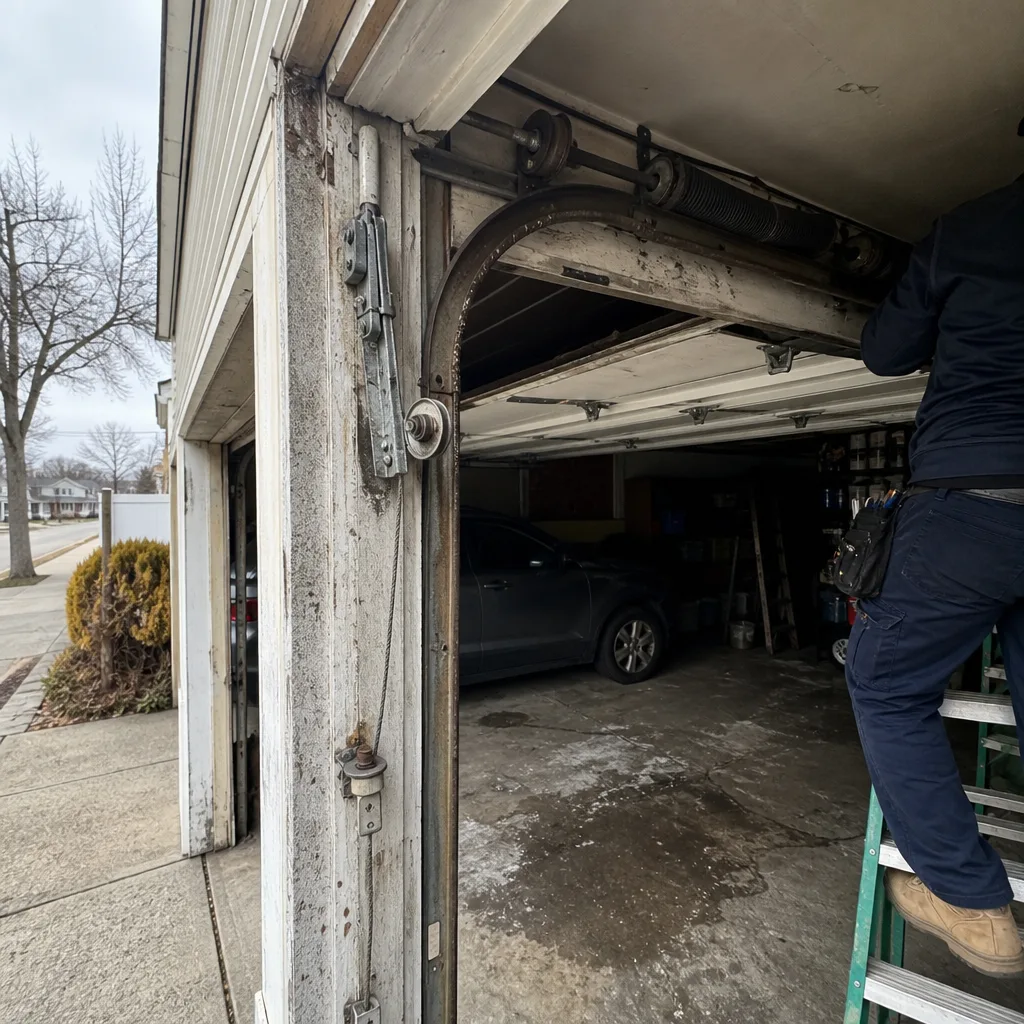 Before
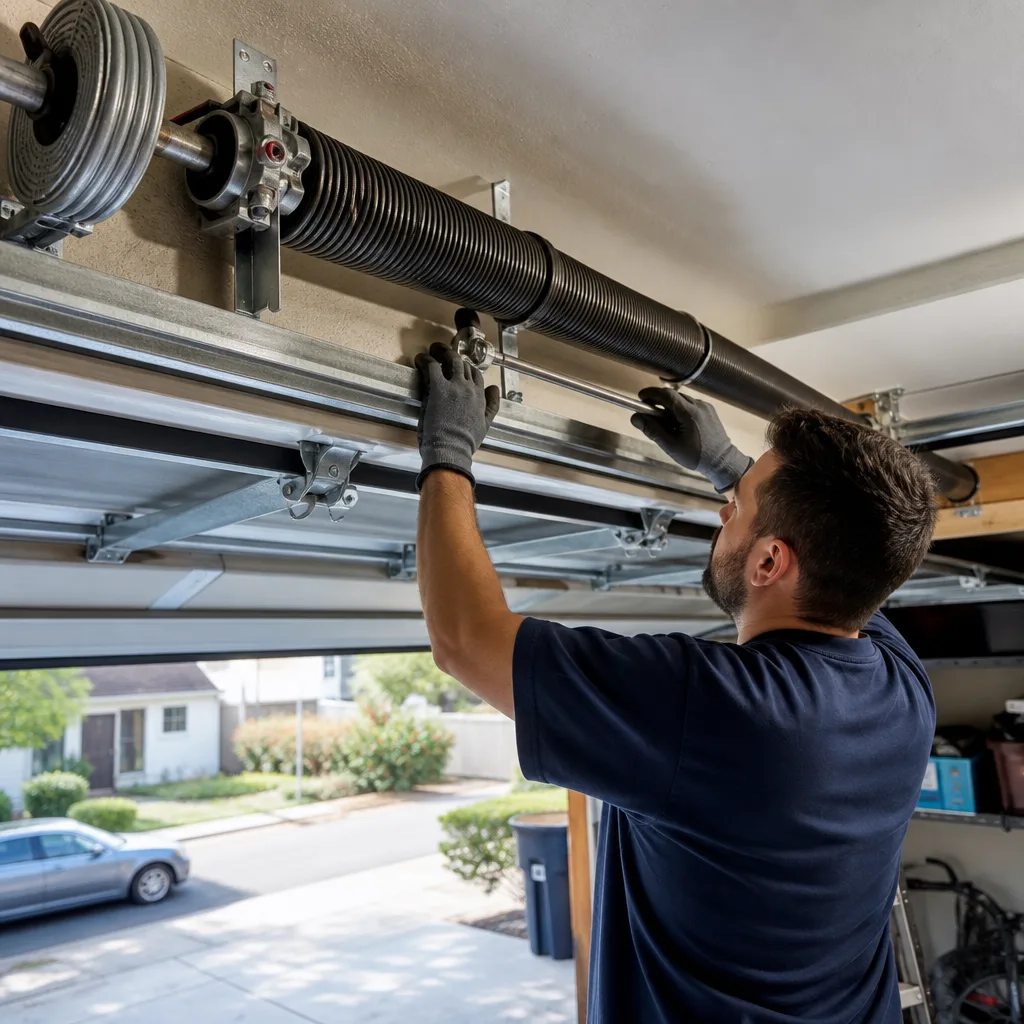 After
After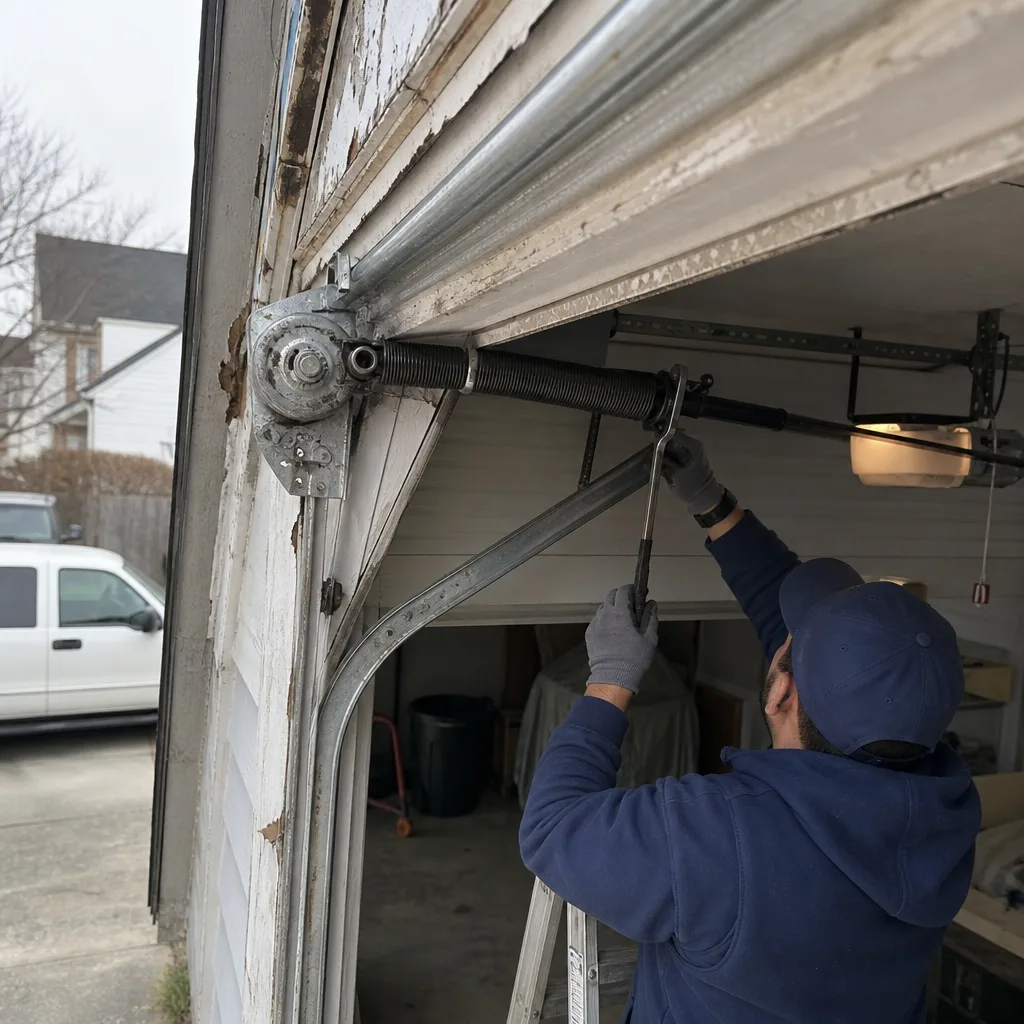 Before
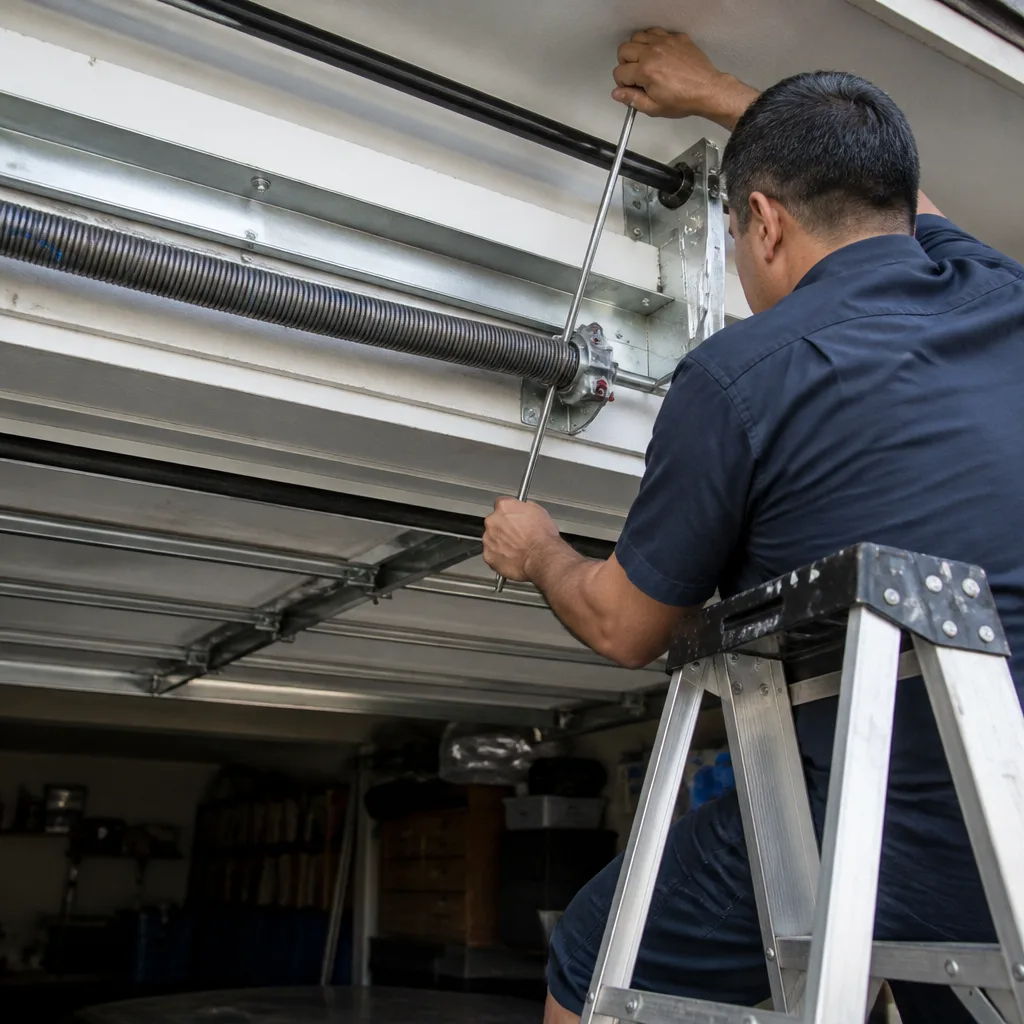 After
After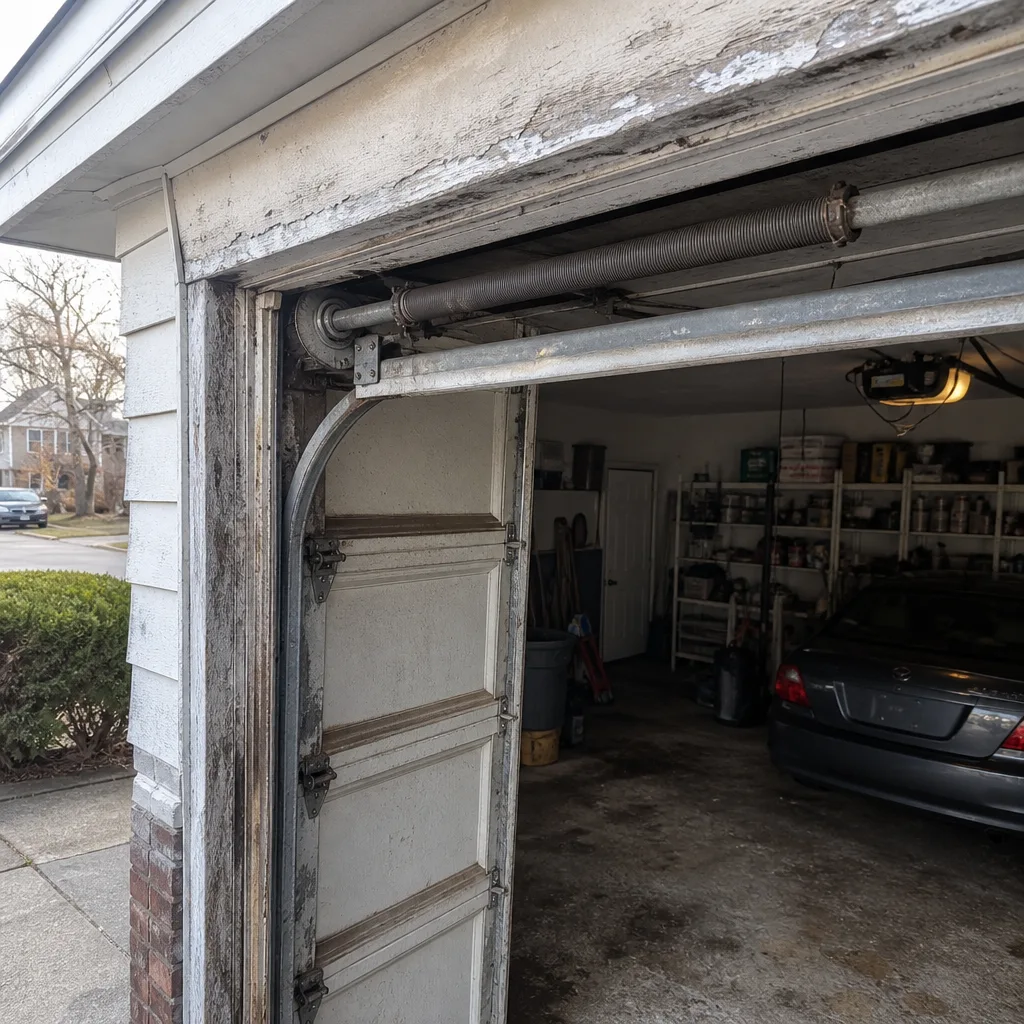 Before
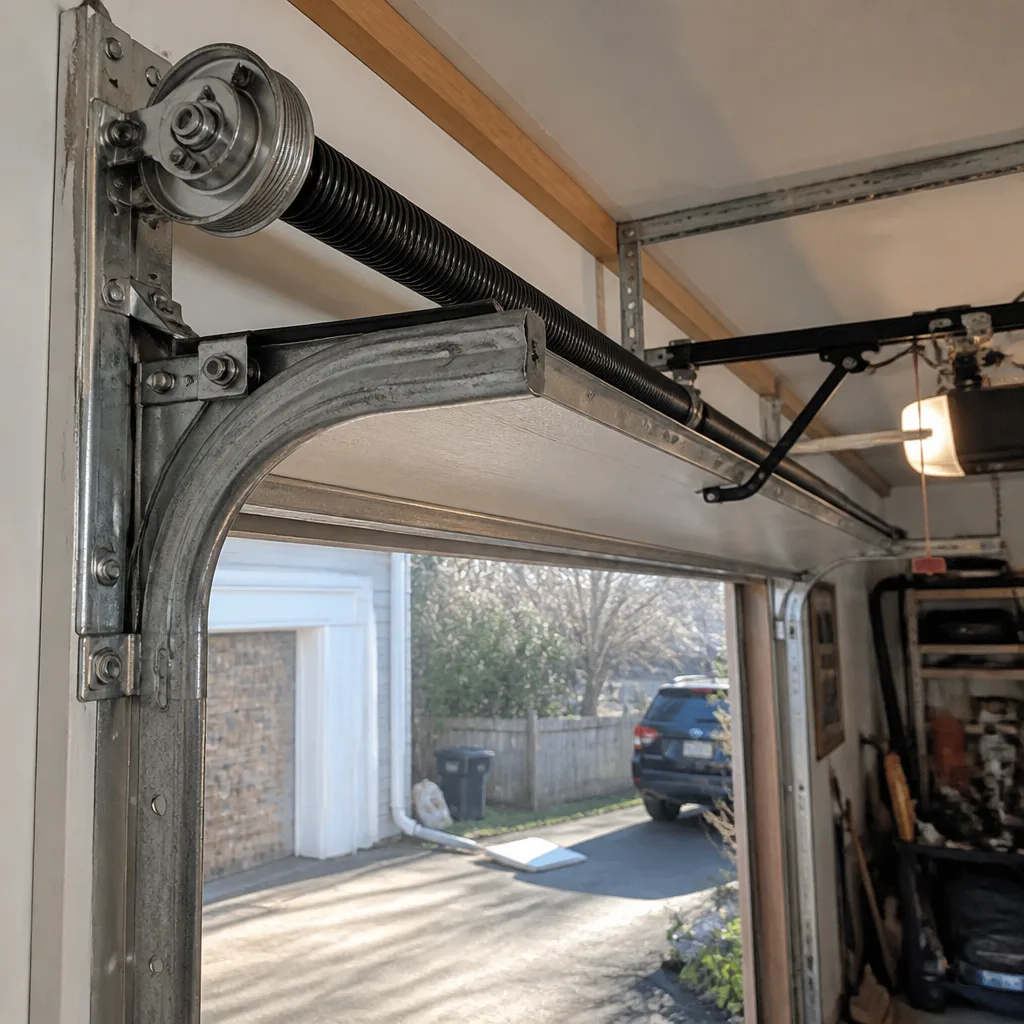 After
AfterChamberlain Weather Seal Replacement: The New York City Owner’s Guide
A Chamberlain weather seal replacement in New York City typically costs $120-$280 installed, and we carry the common Chamberlain profiles on the truck so most swaps are done in a single visit. A failing bottom seal is the one you’ll notice first: daylight under the door, a damp concrete floor after rain, or the sound of the 7 train drifting into what used to be a quiet garage. We match the seal to your specific Chamberlain track profile rather than cutting something generic off a roll and hoping it stays seated, because the wrong profile will peel out of the retainer within a season.
Weather seal, bottom seal, astragal: all names for the same strip of rubber or vinyl that bolts into or slides along the bottom of the door panel. It’s the primary barrier between your garage floor and everything New York City weather pushes at it: nor’easters, snowmelt, humidity off the East River, and the fine silt that blows through Queens and Brooklyn construction corridors. When it fails, you’re not just getting a wet floor. You’re getting rust on tool cabinets, higher heating costs if the garage is attached, and a welcome mat for field mice in neighborhoods near any park or greenway.
Which Chamberlain Models This Applies To
If you have a Chamberlain garage door opener, you don’t necessarily have a Chamberlain door. Chamberlain’s weather seal lineup specifically applies to their residential door models, most commonly the HD920EV, HD620EVP, and the Chamberlain-branded steel and aluminum doors sold through home centers in the last decade. The compatibility gotcha most New York City owners run into: the seal profile is determined by the door’s bottom retainer channel, not by the opener model sitting on the ceiling.
Chamberlain doors use a T-style bottom retainer on most current models. Older Chamberlains, particularly those installed before 2015, sometimes run a P-style or a simple round bulb seal. These look close to identical at a glance, and no amount of lubricant or pushing will make the wrong one seat correctly. When we quote a Chamberlain weather seal replacement, we ask for a photo of the bottom retainer first. That photo tells us the profile, and it usually tells us the age of the door too. If your Chamberlain door is under warranty, we’ll recommend the OEM seal and note the model number in your written scope. If it’s past warranty, a quality aftermarket equivalent with the same profile and TPV material typically performs the same and saves you roughly thirty percent on the part.
Signs Your Chamberlain Weather Seal Replacement Is Failing
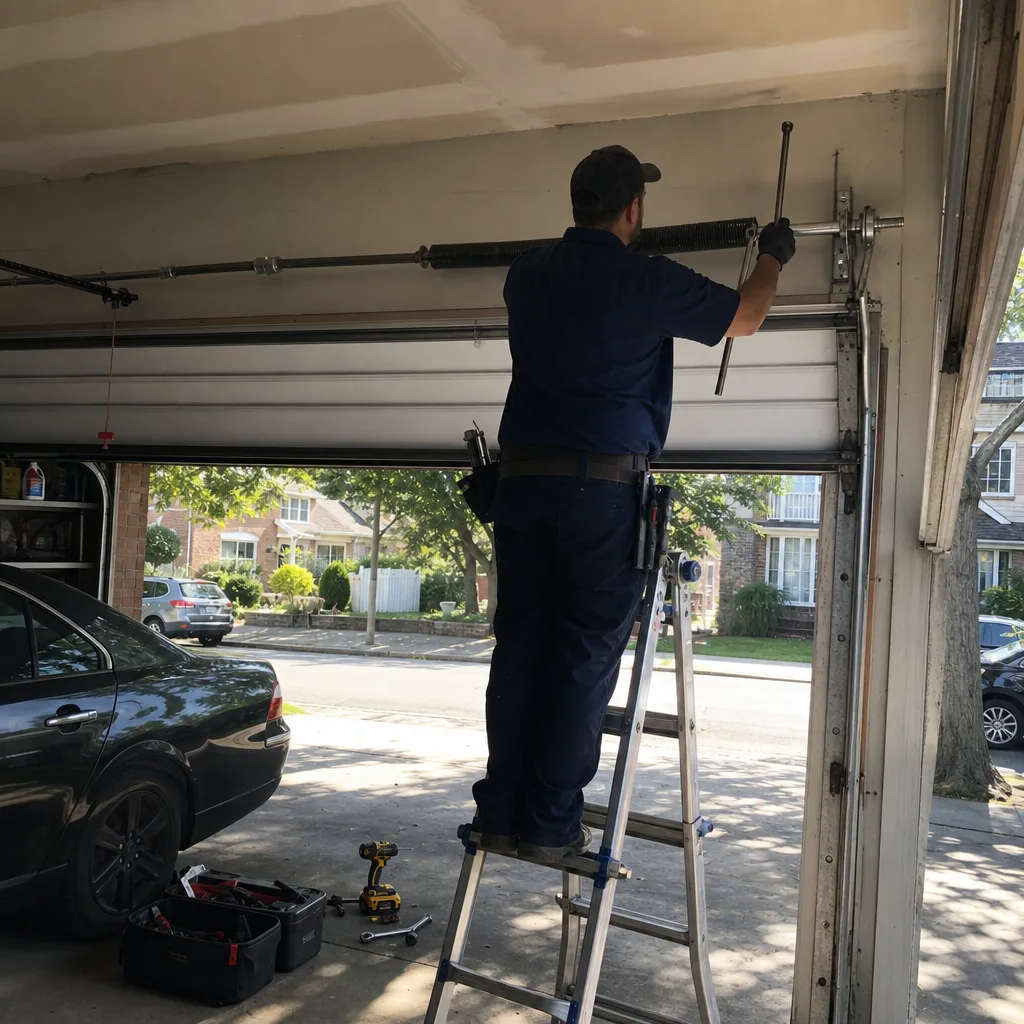
- Visible daylight along the bottom edge. The seal has compressed or torn away from the retainer, usually at the corners first. This is the most straightforward sign, and the one most owners catch when they back into the garage and glance under the door.
- Water pooling near the garage threshold after rain. The seal is no longer making contact with the concrete across the full width of the door. In Brooklyn brownstones and Queens attached garages with a floor drain, this is often dismissed as a drainage issue when the seal is actually the culprit.
- A sudden jump in dust, leaves, or the smell of exhaust near the interior door. The gap under a failed seal is a pressure inlet; every time the HVAC runs, it draws whatever is under the garage door into the adjacent space, which matters most in Manhattan and Staten Island homes with a finished room directly above the garage.
- The seal drags, hangs, or has pulled loose from one side. This is as much a mechanical issue as a seal issue: the bottom bracket or the retainer itself may be bent. Leaving it this way will chew through the next seal within weeks.
- The seal is brittle, cracked, or shrunk back from the edges. In New York City, freeze-thaw cycles destroy seals faster than anything else. A seal that’s hard to the touch and no longer rebounds when pressed has already lost most of its flex and will leak in the next heavy rain.
BeforeAfterReplacement Cost & What’s Included
Our installed Chamberlain weather seal replacement in New York City runs $120-$280. The range is driven by two things: the length of the door (single car versus double car, 8 ft versus 16 ft) and whether the bottom retainer channel needs straightening or replacement along with the seal. A straight retainer and a standard 9 ft single-car door puts most jobs around $140-$180 including the part, labor, and disposal of the old seal.
Every quote is a flat, written price delivered before any work starts, per Clause 1 of The Haven Standard. That means the number we give you is the number you pay; there is no surprise line item for travel, fuel, or a technician walking in the door. The written scope will name the seal profile, the material, the length, and whether the retainer will be reset or replaced. At the end of the job, you receive a documented photo record showing the old seal removed, the new seal seated in the retainer, and the door closed against the floor. That record is part of every visit, not an add-on we ask you to authorize.
DIY or Call Us?
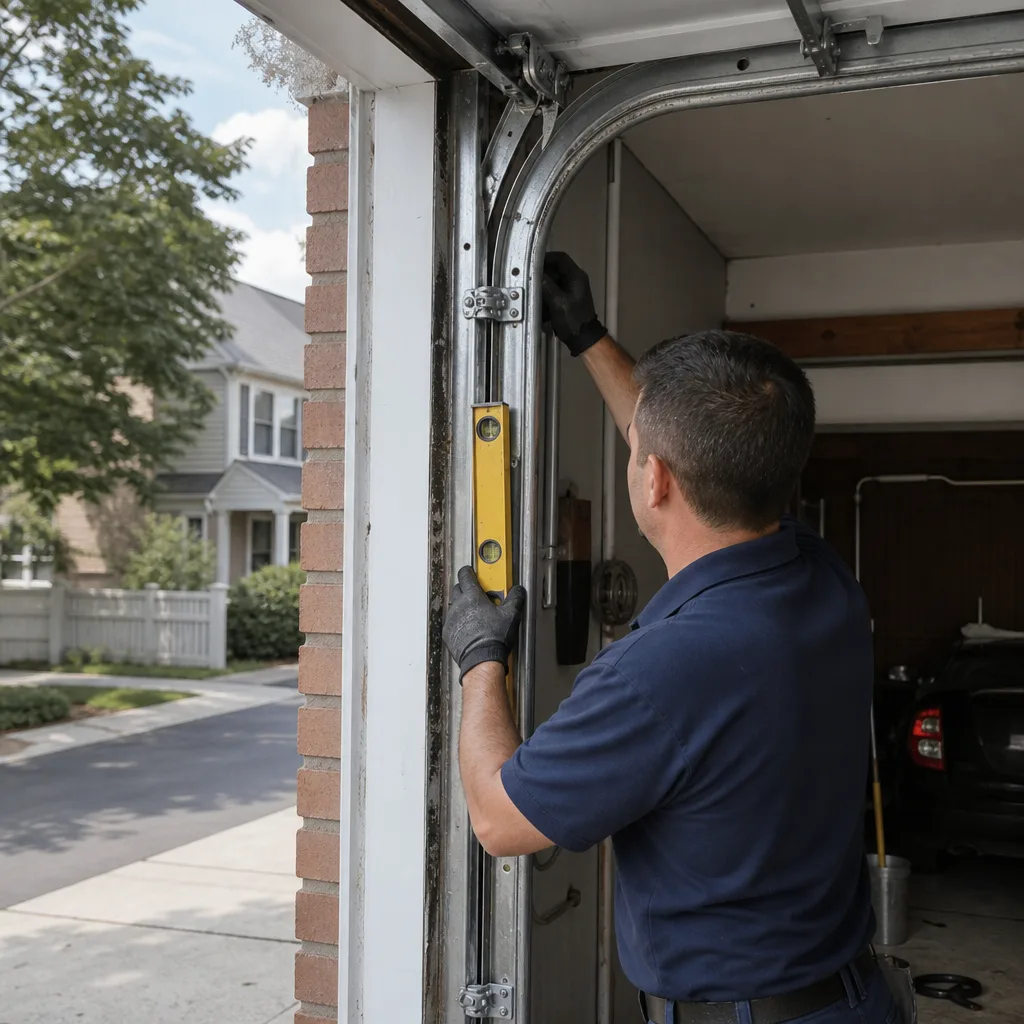
A weather seal replacement isn’t dangerous like a torsion spring or a cable under tension, and plenty of New York City owners do the swap themselves with a utility knife and some patience. The failure points we see are usually about fit: buying a universal seal online that’s too stiff for the retainer, trimming it a half-inch short, or discovering the retainer is bent and forcing the seal in anyway. On a Chamberlain door specifically, the T-style retainer is finicky about seal bead diameter. If the bead is oversized, it tears during insertion; if undersized, it slides out in a week.
If you want to check the condition yourself before calling, run a dollar bill under the closed door at five points across the width. It should drag at every point. If it slides clean anywhere, the seal isn’t contacting the floor and you’ll want a replacement. If you’d rather hand it to someone who does this every day, call us at (970) 536-1724. We’ll show you what came off, what went on, and the photo record before we leave.
FAQs
Expect four to seven years in New York City’s climate, with the shorter end for doors facing south or west with direct sun exposure and the longer end for shaded garages in neighborhoods like Forest Hills or Riverdale. Salt and ice-melt residue tracked in from the street accelerates cracking, so seals on heavily used driveways fail faster than the seal on a weekend-only garage.
No, a torn or compressed weather seal cannot be repaired, because the material has already lost its rebound and any patch will separate at the seam within a season. The correct fix is a full-length replacement matched to the retainer profile. Call us at (970) 536-1724 and we’ll get you a written price the same day.
Most Chamberlain weather seal replacements take 45 to 90 minutes on site, including removing the old seal, cleaning the retainer channel, seating the new seal, and testing the close at five points. If the retainer needs straightening or replacement, that adds about 30 minutes, which we’ll confirm in the written scope before starting.
Yes, our technicians run with the three most common Chamberlain profiles: T-style, P-style, and round bulb, in both 9 ft and 16 ft lengths. If your door uses an uncommon retainer, we’ll source the right profile and return within one or two business days, always with a written price before ordering.
Written by Marcus Deller, Owner, Servo Garage Doors at Servo Garage Doors, serving New York City and nearby areas.