
Full 25-point door and opener safety check with every visit - springs, cables, rollers, tracks, and your LiftMaster or Chamberlain opener included
You get a price before we start. It does not change when the truck arrives.
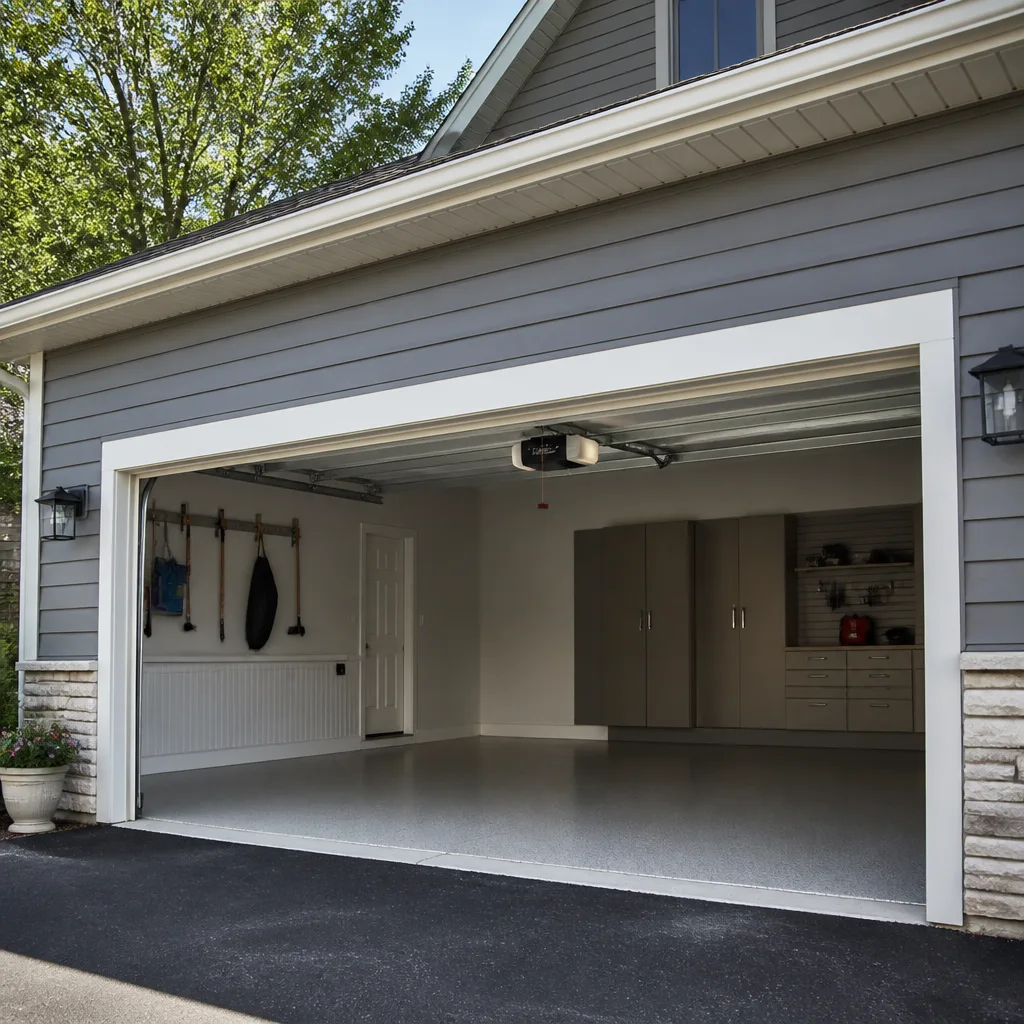
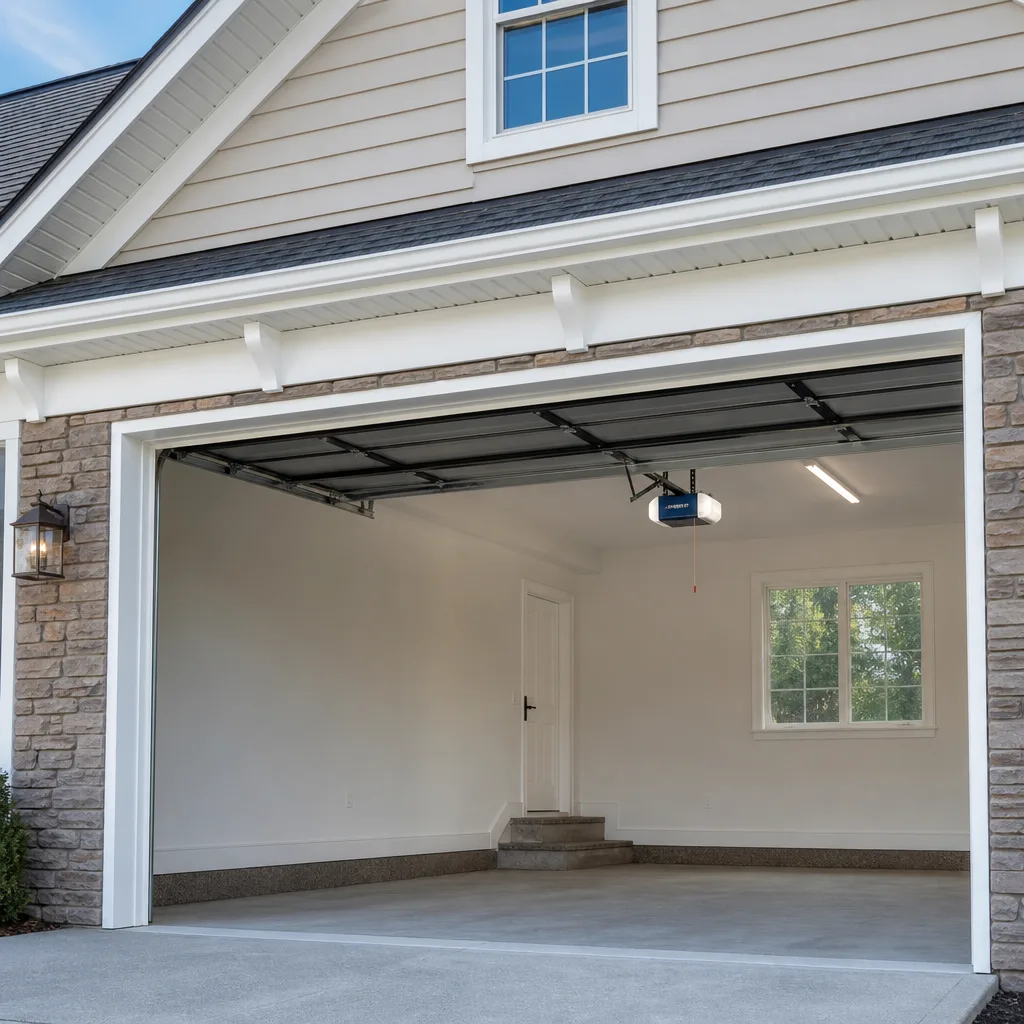
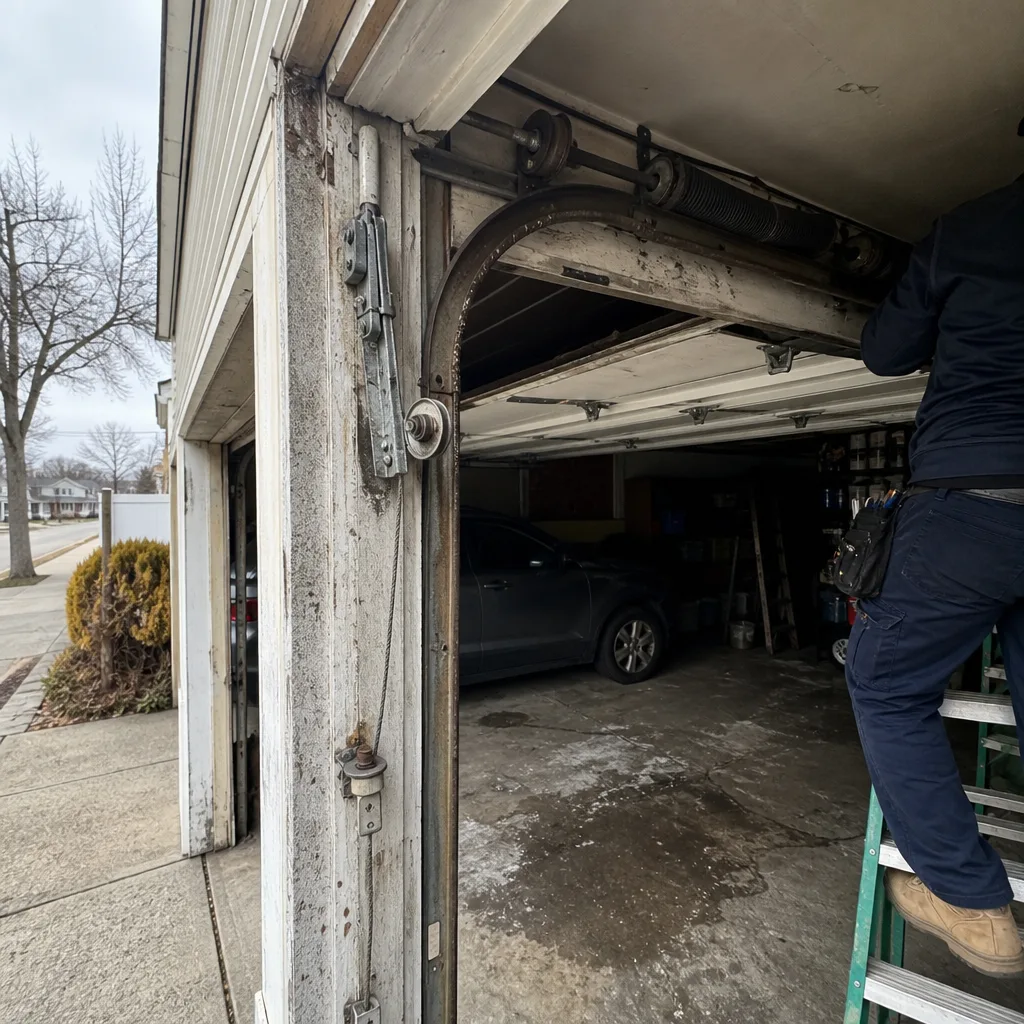 Before
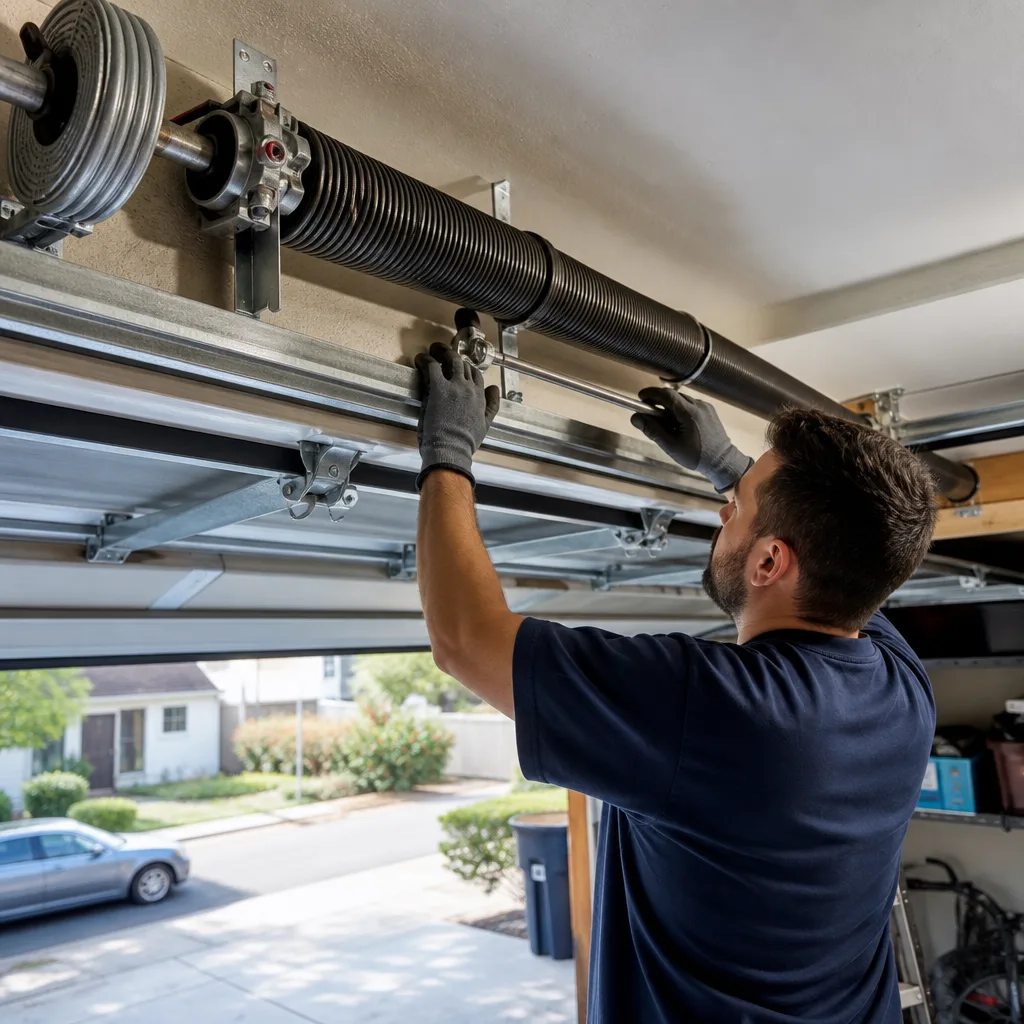 After
After Before
 After
After Before
 After
AfterRaynor Weather Seal Replacement: The New York City Owner’s Guide
Raynor weather seal replacement in New York City typically runs $130-$260 installed, depending on your door width and whether we’re replacing just the bottom seal or the full retainer assembly too. We stock Raynor-compatible weather seal on our trucks and can usually complete the job the same day we diagnose it. Most owners discover the failure the morning after a nor’easter, when daylight shows under the door and last night’s rainwater is pooling against the stored boxes.
Weather seal is the compressible rubber or vinyl strip that runs along the bottom of your garage door and, on some models, the sides and top. Its job is simple: keep water, drafts, leaves, and rodents out of the garage. In New York City, where winter slush and summer downpours hit garage floors hard, a failed seal means more than damp cardboard. It means higher heating bills if your garage is attached, and a standing invitation for the rats that run the subway lines to winter in your storage.
We’re an independent garage door service company. We’re not affiliated with Raynor, but we’ve been matching and installing their seals across the five boroughs long enough to know which aftermarket options hold up and which ones flatten out before the first frost.
Which Raynor Models This Applies To
Raynor has used a few different weather seal configurations over the years, and the part number printed on your old seal is rarely the fastest way to match it. What matters is the T-channel width on the aluminum retainer that holds the seal in place. Most Raynor residential doors use a 5/16-inch T-channel or a 1/4-inch T-channel, depending on the series. The Pilot, Aspen, and Relante series typically take the 5/16-inch T-style bulb seal. Older Decade and Century models often have a narrower channel, and some commercial Raynor doors use a completely different screw-on retainer design.
The compatibility gotcha that trips up New York City homeowners: some Raynor doors installed before 2005 used a retainer that’s riveted rather than screwed to the door. If that’s what you have, the retainer itself needs to be replaced along with the seal, and that changes the job from a ten-minute swap to a thirty-minute replacement with new hardware. We identify the right part by measuring the existing retainer channel and checking the door’s model label, which Raynor typically places on the interior door section near the top panel or on the end stile.
For most Raynor residential doors, we recommend a high-quality aftermarket EPDM rubber seal over the OEM vinyl. Raynor’s OEM seals are fine, but EPDM rubber stays flexible in New York City winters down to about -40°F, where vinyl stiffens and cracks. The aftermarket EPDM we install is also ozone-resistant, which matters more than most people think in a city where garage-level air quality includes whatever the buses leave behind.
Signs Your Raynor Weather Seal Replacement Is Failing
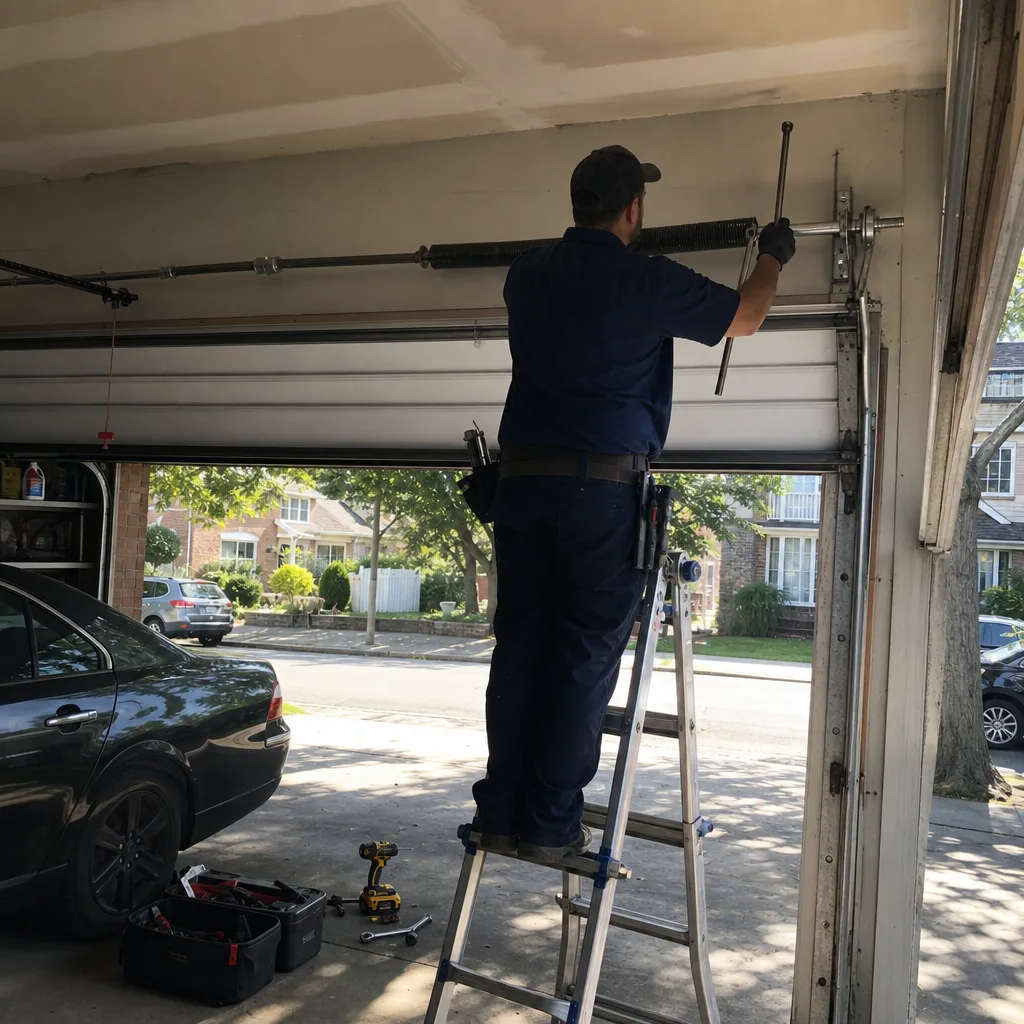
- Daylight visible under the closed door. The seal has compressed flat or torn away from the retainer. This is the most common symptom in New York City, where garage floors often have a slight slope toward the street for drainage, meaning the door sits unevenly and wears one section of seal faster than the rest.
- Water on the garage floor after rain. In neighborhoods like Red Hook, Astoria, and the low-lying parts of the Rockaways, a failed bottom seal lets stormwater run straight under the door. If you see a puddle along the interior door line after a storm, the seal has lost contact with the floor.
- A draft you can feel at ankle level. Stand inside the closed garage on a cold day. If cold air moves across the floor near the door, the seal is no longer compressing properly. In attached garages in Queens and Brooklyn, this shows up as a colder kitchen or den on the other side of the garage wall.
- Leaves, debris, or rodent droppings inside. A seal with a half-inch gap is a highway for everything the wind pushes down a New York City alley. If you’re finding leaf litter in the garage corners, check the seal before you check the door alignment.
- Visible cracks, chips, or flattening on the seal itself. Rubber weather seal has a practical lifespan of five to eight years in this climate. If you can see the seal is no longer round on the bottom, or if it’s cracked when you bend it, the material is done even if the door still closes.
BeforeAfterReplacement Cost & What’s Included
In New York City, Raynor weather seal replacement runs $130-$260 installed. The lower end covers a seal-only swap on a standard 9×7 door with a screw-on retainer in good condition. The upper end covers a double-width 16-foot door, a riveted retainer that needs replacement, or both the bottom seal and side/top perimeter seals on a door where the full weatherstripping set has failed.
The price you’re quoted is the price you pay. That’s Clause 1 of The Haven Standard, and it means the written number we give you includes the parts, the labor, the trip, and the disposal of the old seal. You sign off on the flat price before the technician opens the van. No surprise line items after the fact, no “while we’re in there” additions that double the invoice. If we find the retainer is also damaged once the old seal comes out, we show you a photo of it before we quote the difference.
Every weather seal replacement includes our 365-Day Done Right Promise. If the seal comes loose, tears prematurely, or isn’t seated right, we come back and make it right at no charge. You also get the documented photo record of the job, the same as every Servo Garage Doors visit since 2015: a photo of the failed seal before removal, a photo of the new seal installed, and a short note of what was measured and matched.
DIY or Call Us?
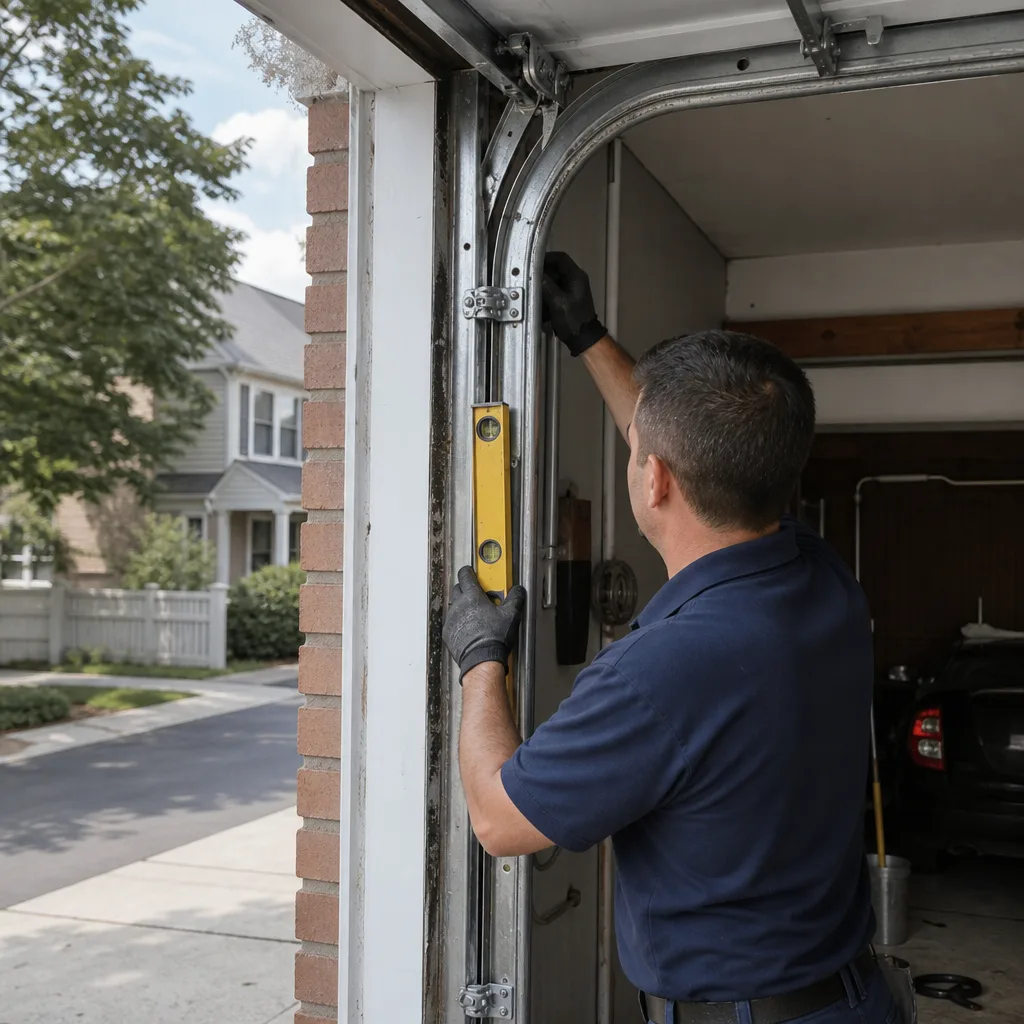
Weather seal replacement is one of the few garage door repairs we’ll tell you is technically DIY-able. There’s no torsion spring tension involved, no electrical work, and no risk of the door coming off its tracks. If you have a screw-on aluminum retainer and a standard T-channel seal, and you’re comfortable sliding out the old rubber and threading in the new, you can absolutely do this yourself for the cost of the material alone.
Where DIY goes wrong is the part matching. Buy the wrong T-channel width and the seal won’t seat, or it’ll look fine and fall out on the first cold snap. Riveted retainers need drilling to remove, and if you don’t own a rivet gun, that’s an extra trip to the hardware store. The other failure point we see in New York City: owners buying universal seals online that are too short for the door, leaving a gap at one end that defeats the entire purpose.
If you’re not certain about the channel size on your Raynor, call us at (970) 536-1724. We’ll walk you through the identification while you’re standing at the door, and if you’d rather not touch it, we’ll bring the right part already on the truck.
FAQs
Five to eight years is realistic for this climate. Snowmelt salt, summer UV, and the stop-and-go compression of a door that opens twice daily all work the rubber. If your garage faces south or west and gets direct afternoon sun, expect replacement closer to the five-year mark. Call (970) 536-1724 for an exact assessment and a written price before any work starts.
Generally not worth it. Small tears or splits can’t be glued back together in a way that holds under compression, and a patched seal fails within months. The exception is a seal that’s simply slid out of the retainer channel; if the rubber is still flexible and the channel is intact, we can reseat it in minutes for a minimal service charge.
A seal-only swap on a standard single door takes about 20 to 30 minutes. Full perimeter weatherstripping or a riveted-retainer retrofits takes 45 to 60 minutes. We carry Raynor-compatible seals for 7, 8, 9, and 16-foot doors on the truck, so there’s no second trip while we order parts.
We stock it. Our service vans in New York City carry Raynor-compatible weather seals in multiple T-channel widths and lengths, plus replacement aluminum retainers for the riveted older models. The same trucks also carry parts for LiftMaster, Chamberlain, and Genie openers, so if we find a secondary issue during the visit, we can often address it the same day. Call (970) 536-1724 and we’ll confirm availability for your specific Raynor model.
Call Servo Garage Doors in New York City
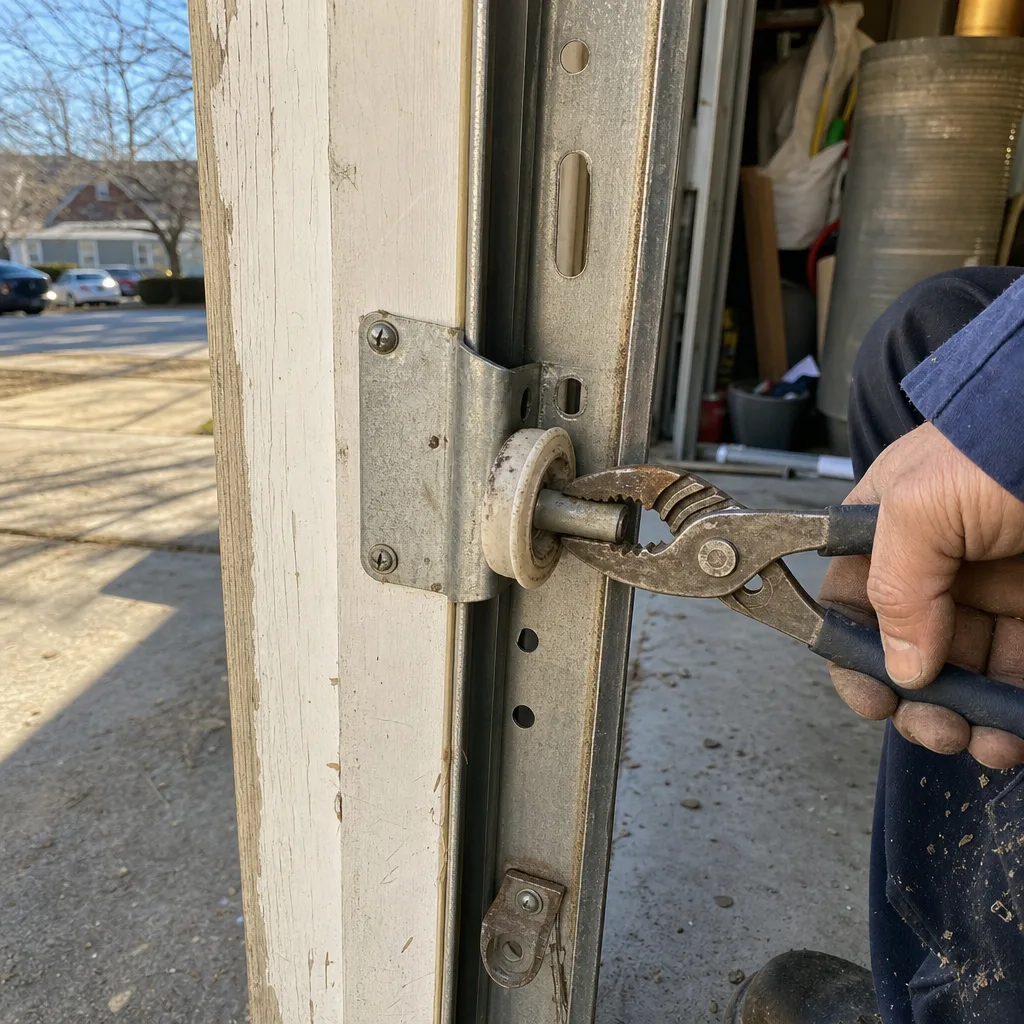
Name the part. Quote the range. Do the work. That’s how Marcus Deller has run Servo Garage Doors since 2015, and it’s how every Raynor weather seal replacement gets handled. You’ll get a flat, written price before anything is removed, a technician who’s been background-checked and shows up in uniform with a New York City license number on his paperwork, and a photo record of exactly what was found and what was done. 18,000-plus doors later, the proof is in the documentation, not the sales pitch. Call (970) 536-1724 for a free estimate, answered by a live person any hour of the day.
Written by Marcus Deller, Owner, Servo Garage Doors at Servo Garage Doors, serving New York City and nearby areas.