
Full 25-point door and opener safety check with every visit - springs, cables, rollers, tracks, and your LiftMaster or Chamberlain opener included
You get a price before we start. It does not change when the truck arrives.
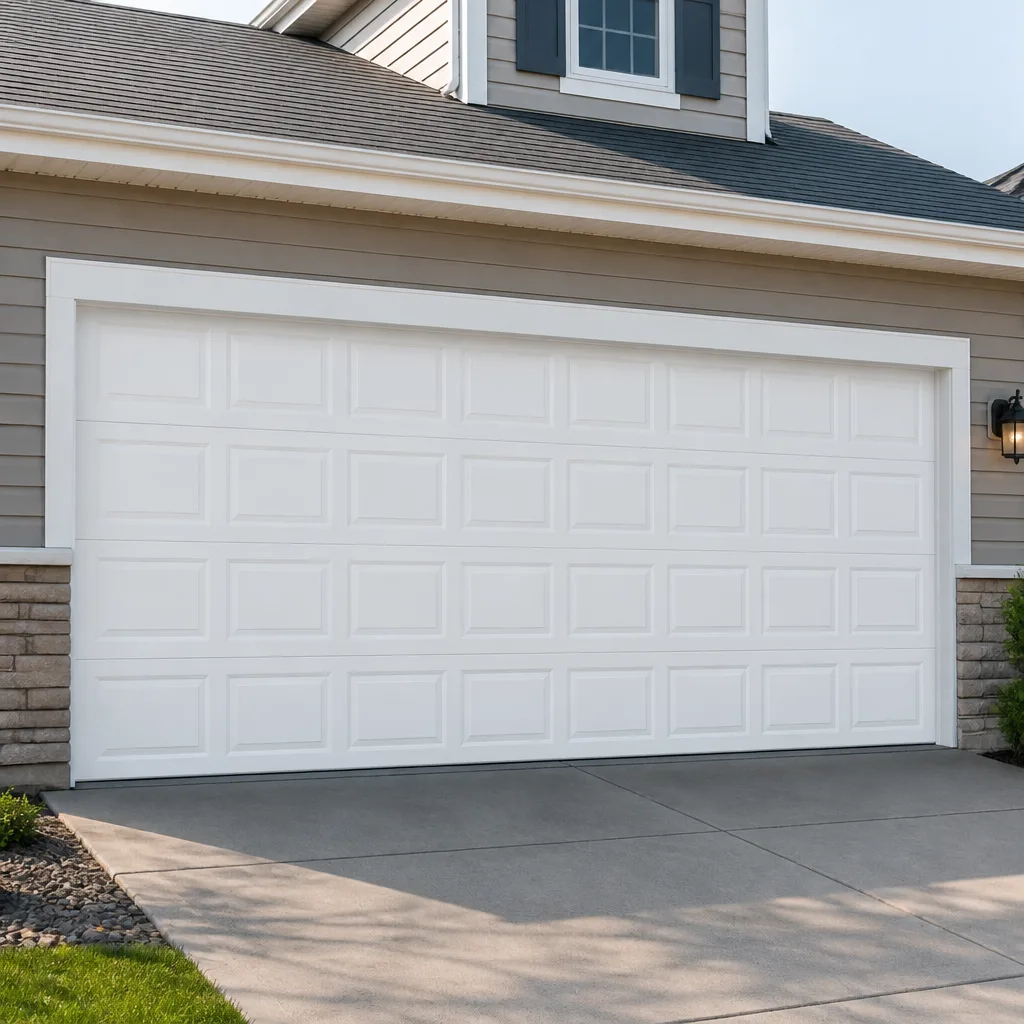
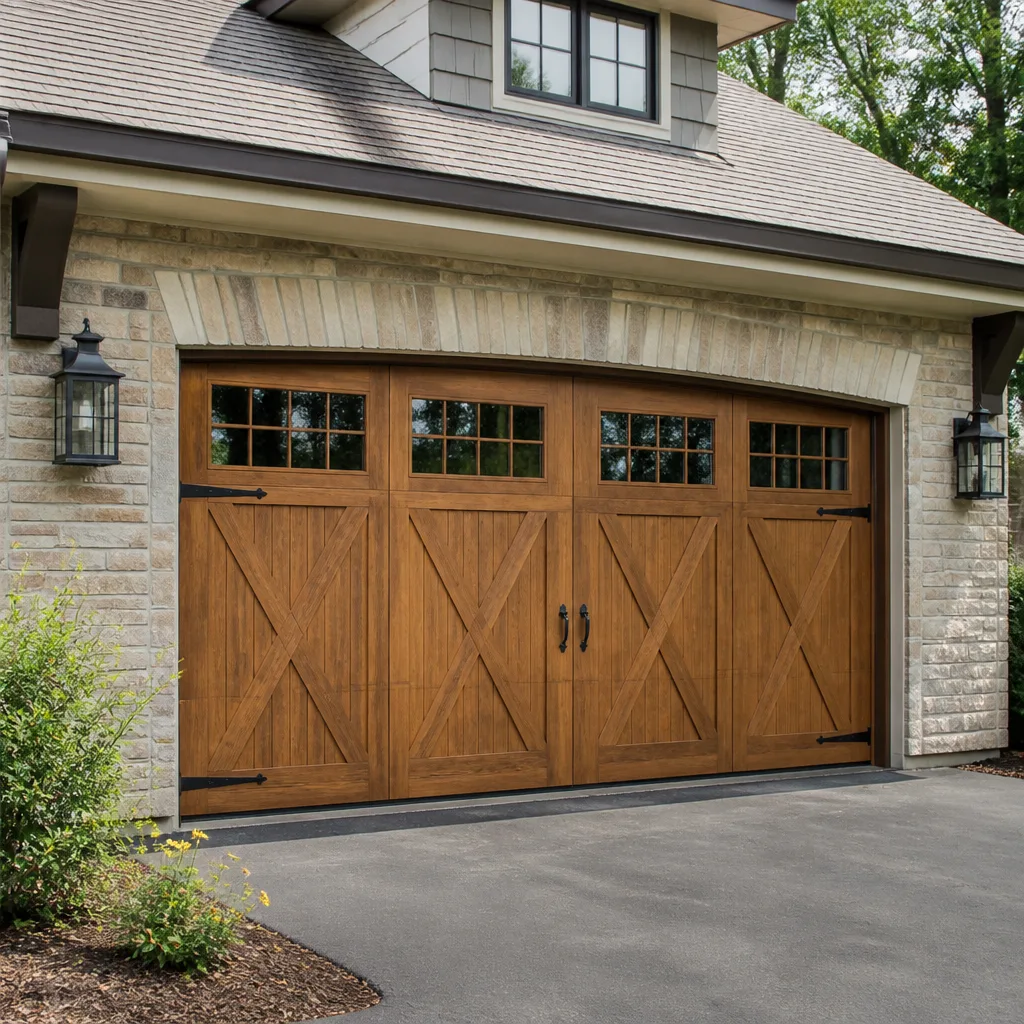
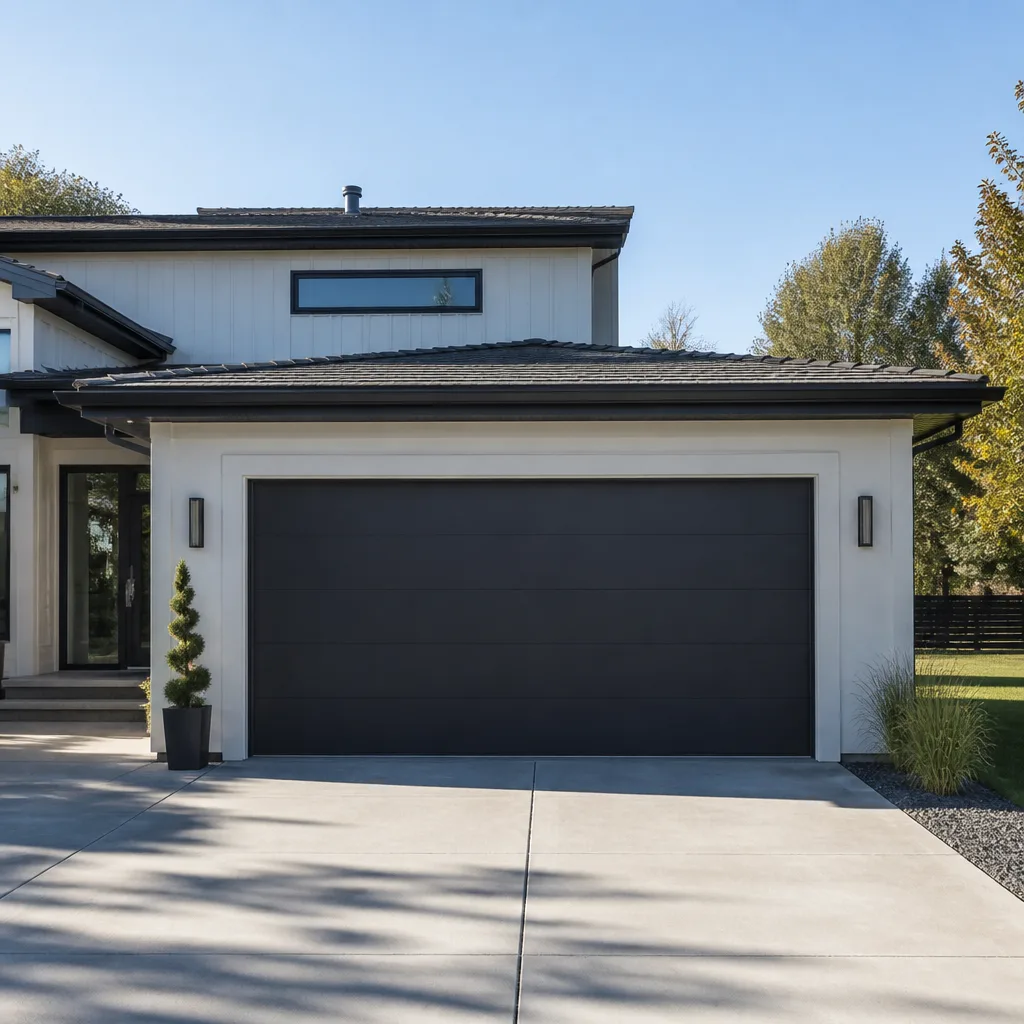
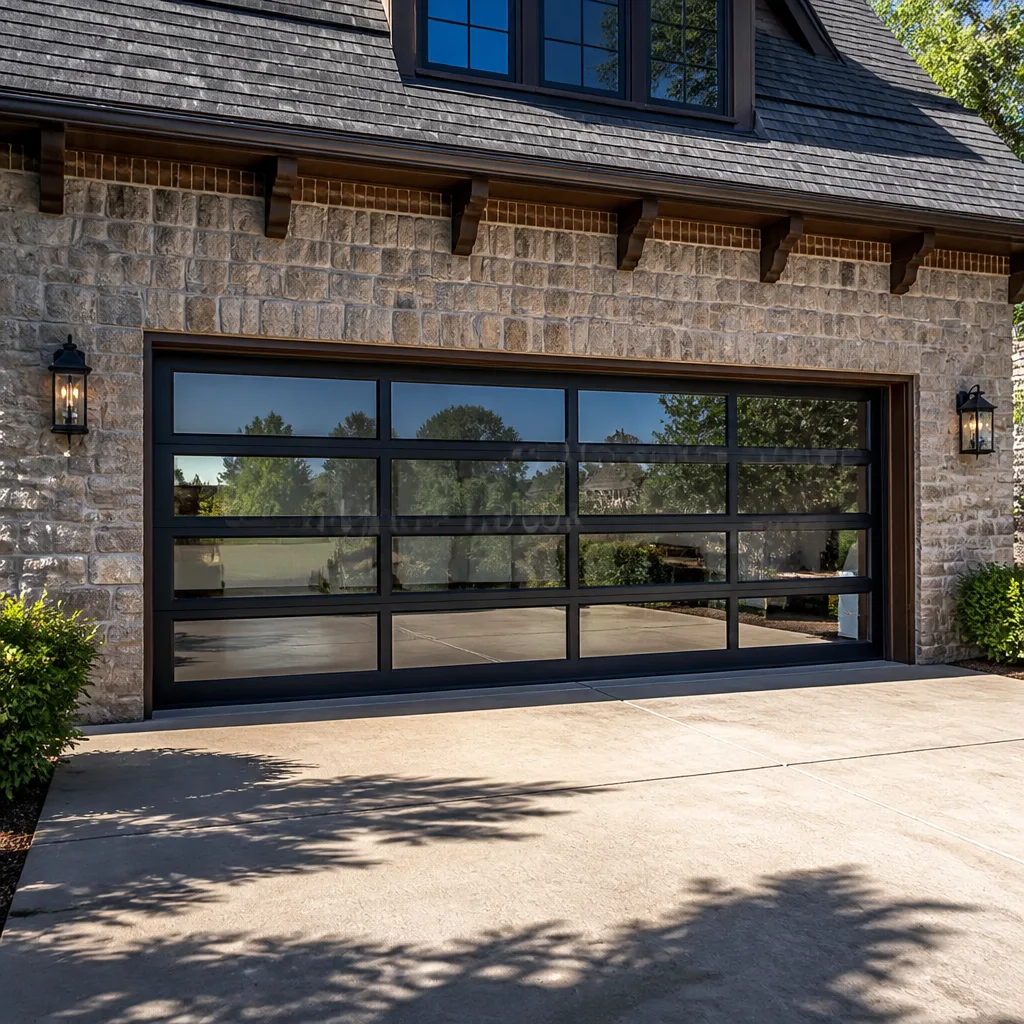
 Before
 After
After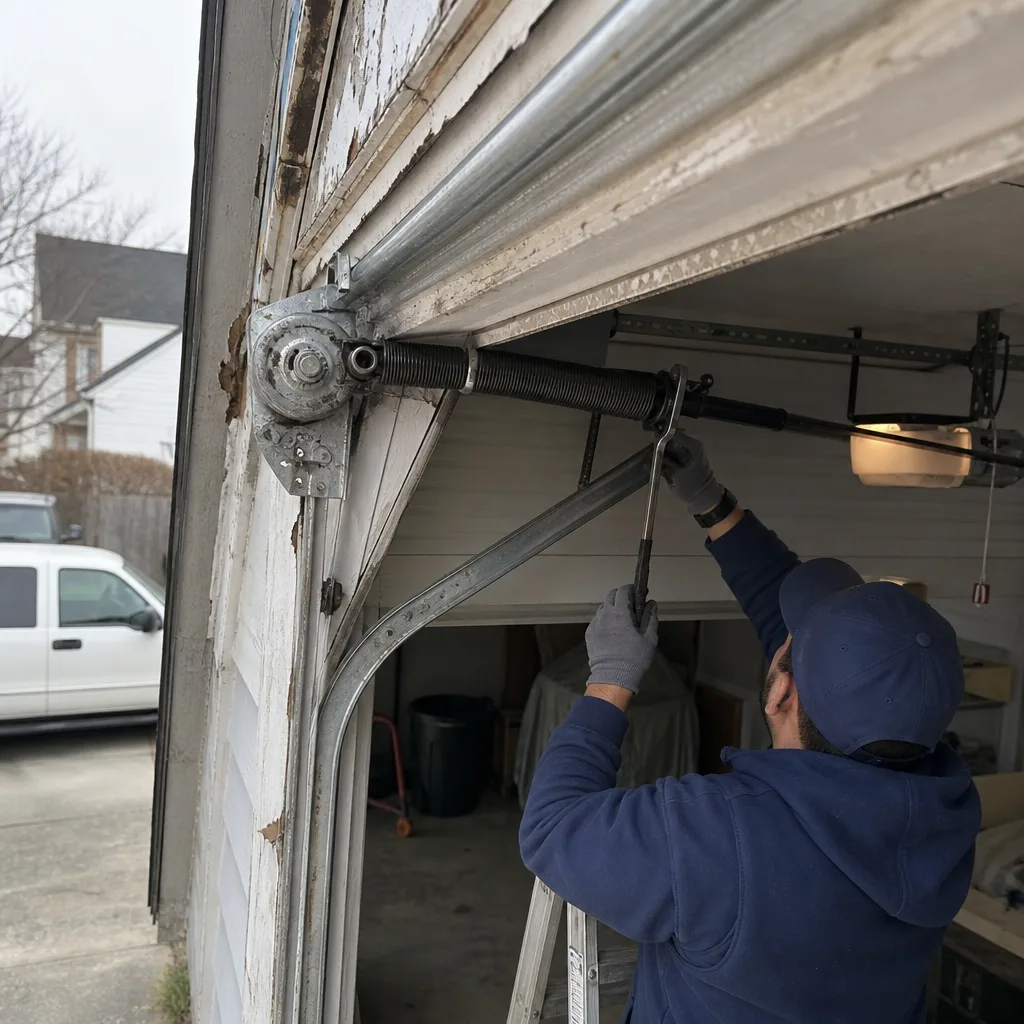 Before
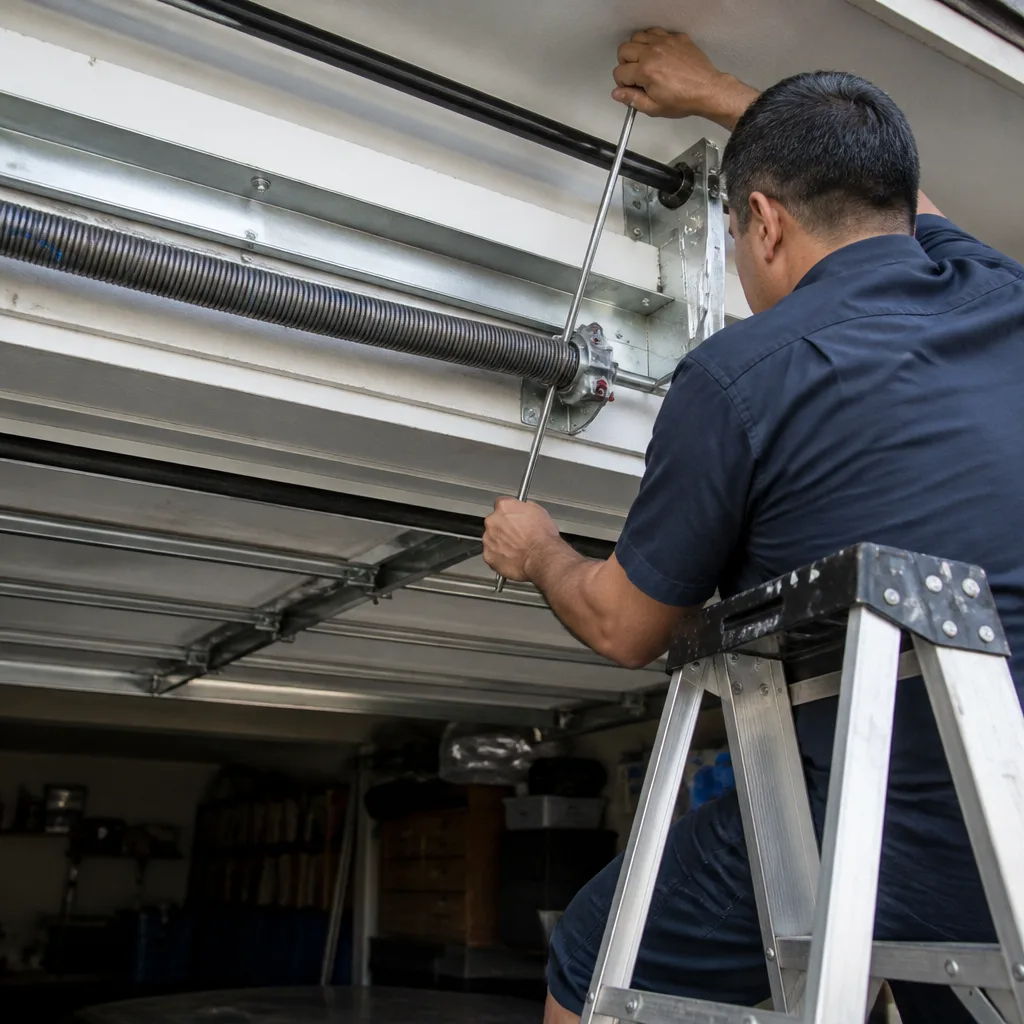 After
After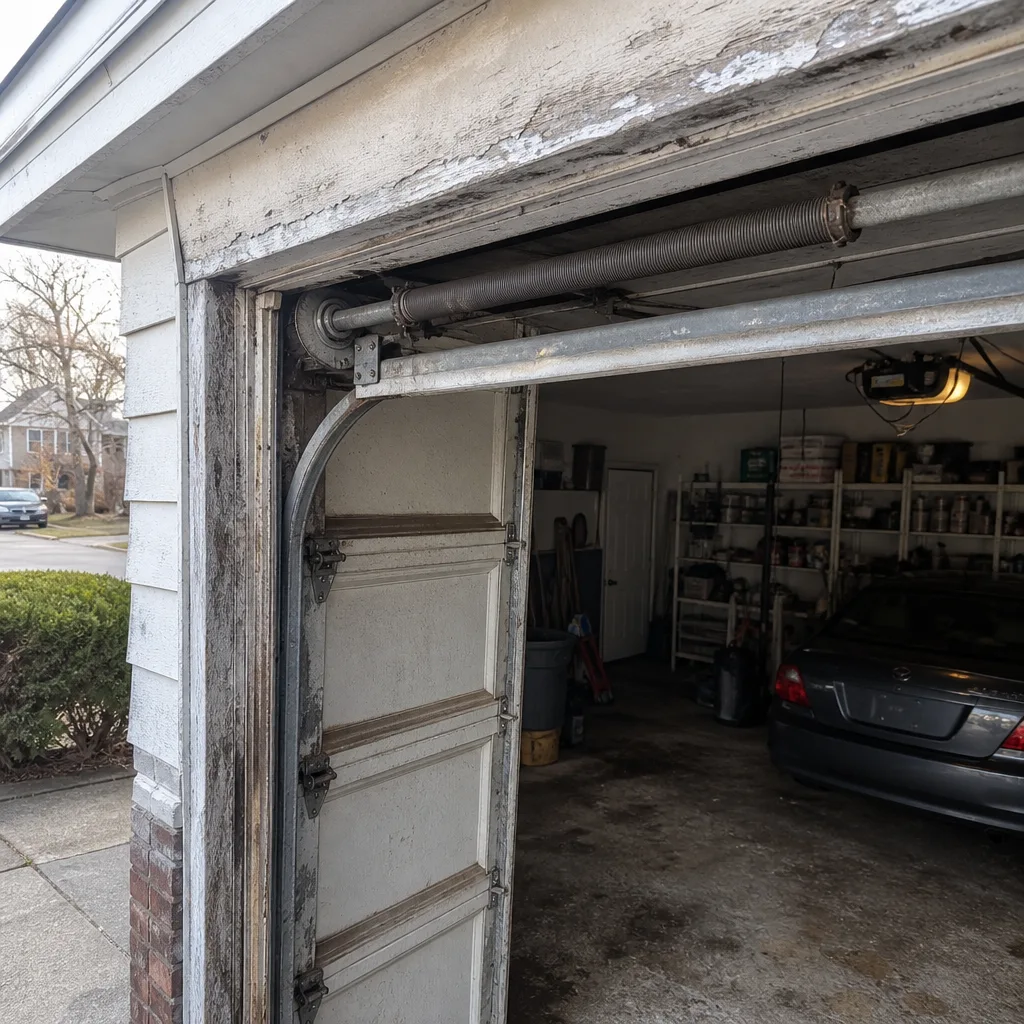 Before
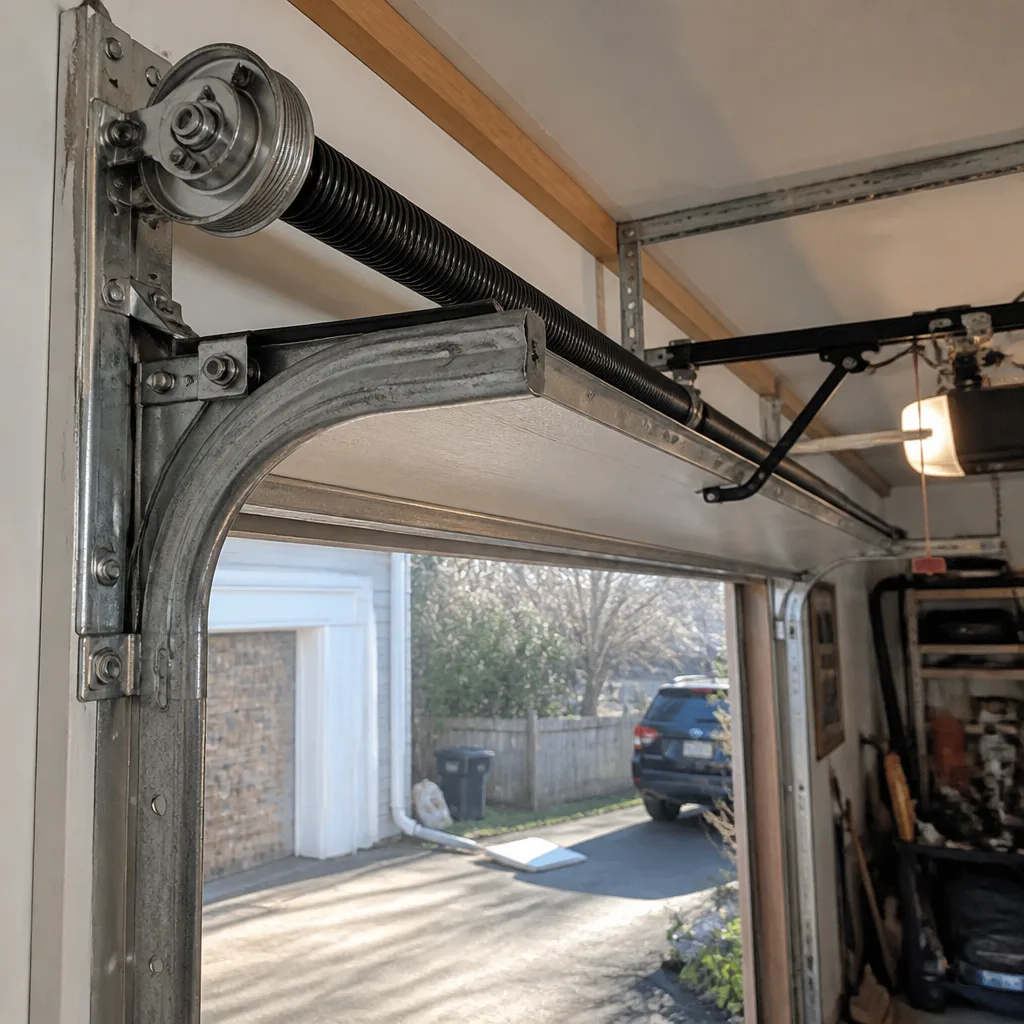 After
AfterWayne Dalton Garage Door Installation in New York City: What to Know First
Wayne Dalton garage door installation in New York City typically runs $825 to $2,595 depending on door size, material, and the condition of your existing track and hardware. We install Wayne Dalton doors as an independent Wayne Dalton service provider, not a factory-authorized dealer, which means we quote the door, the labor, and any track work as one flat written price before anything gets ordered. Turnaround is usually 5 to 10 business days once you approve the scope.
This page is for homeowners in New York City who already own a Wayne Dalton door or have decided on one and need it installed correctly. If you’re still comparing brands, the pricing and failure-mode sections below will tell you exactly what you’re buying into. If you already know you need the work done, call (970) 536-1724 and ask for a written quote. We don’t quote over the phone sight unseen, but we’ll tell you the range and schedule a measure.
How Wayne Dalton Products Fail - and How We Fix Them
Wayne Dalton builds a broad product line, from budget steel pan doors to custom wood-look models. The failure modes we see in New York City are consistent enough that we can name them by series. Here’s what shows up on service calls across the five boroughs:
- TorqueMaster spring failure on the Classic Steel series. Wayne Dalton’s TorqueMaster system encloses the torsion spring inside a steel tube instead of leaving it exposed on a crossbar. When that spring breaks, which we see most often on doors 7 to 12 years old in New York City’s temperature swings, there’s no visible spring to photograph. The door simply gets heavy. We fix it by converting to a standard torsion spring assembly when the customer wants long-term serviceability, or we replace the TorqueMaster cartridge if they want to keep the setup identical. Either way, the price is quoted before we order parts.
- Delamination on the 8000 and 9000 series doors. These are steel doors with a foam core and an embossed wood-grain finish. In New York City garages that trap humidity, especially attached garages in Queens and Staten Island where laundry equipment vents into the space, the outer skin bonds to the frame unevenly over time. The symptom is a rippled surface that doesn’t affect operation but marks the door as aging. When the door is far enough gone, we recommend full replacement. When it’s caught early, we document it so you have a record for warranty or resale.
- Broken hinge stiles on the 300 series. Wayne Dalton’s entry-level pan doors use a single-piece steel back with hinges riveted directly to it. On doors that cycle 10 or more times a day, which is normal for New York City homes with driveway parking and deliveries, those rivet points fatigue before other components do. What we see is a hinge that looks intact but wobbles under load because the surrounding metal has stretched. We replace the stile and re-rivet, and we photograph the failed mounting point before we do anything. That photo record is Clause 4 of The Haven Standard, and you get it whether you’re home during the job or not.
- Nylon roller fragmentation on Wayne Dalton’s 9100-series rolling steel doors. Rolling steel doors in New York City are common on commercial and mixed-use buildings, but the 9100 line shows up on high-end residential garages where the homeowner wanted a compact ceiling mount. The nylon rollers in the guide tracks are the first thing to fail when the tracks build up dust and brake residue from alley-facing garages. We see chipped roller faces and a telltale grinding noise on the down cycle. The routine replacement is straightforward. The thing to know is that aftermarket rollers for the 9100 line are hit-or-miss; we install OEM-grade or better because the roller face width is non-standard.
- Safety sensor alignment drift on doors installed before 2020. Wayne Dalton pairs its residential doors with a range of openers, and on installations from the mid-2010s the header bracket tends to flex slightly when New York City garages settle a fraction throughout freeze-thaw cycles. The sensor eyes drift out of alignment and the door reverses for no apparent reason. We square the track, shim the bracket, and test the reversal force fifteen times before we call it done. If the opener itself is failing, we’ll tell you and quote the replacement as a separate line item, never as a surprise add-on.
Our Wayne Dalton Garage Door Installation Process
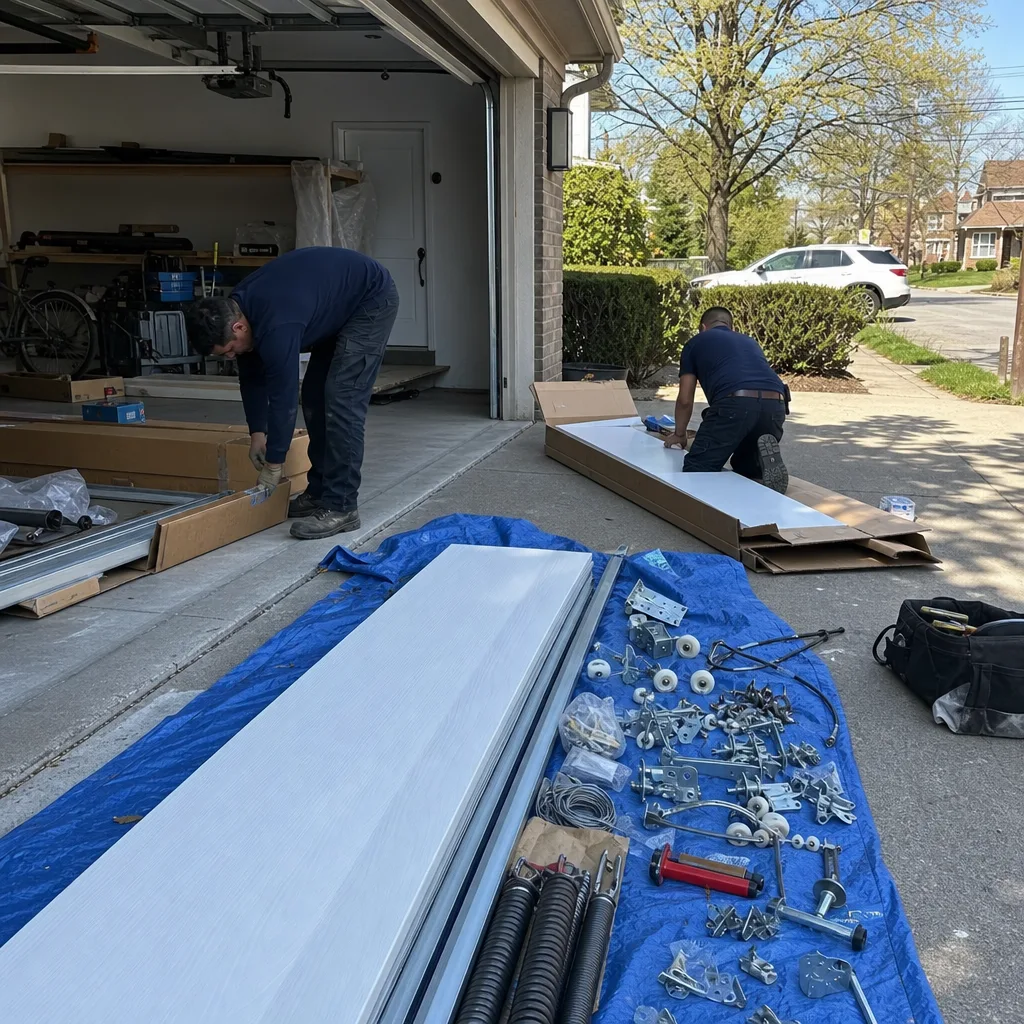
Here’s what a Wayne Dalton installation looks like when you hire Servo Garage Doors. Every step produces a piece of paper or a photo you keep.
- 1
Measure and photograph. We measure the opening, check headroom and side clearance, and photograph the existing door, track, and hardware before anything gets removed. A New York City garage with 12 inches of headroom takes different hardware than one with 8. This tells us whether your existing track can stay or needs to go.
- 2
Written scope and price. Before any work starts, you receive a flat written price with the door model, panel material, spring system, track type, haul-away, and labor listed as separate lines. Nothing is verbal. Nothing gets “discovered” later. Clause 1 of The Haven Standard is this exact promise, and there is no exception process.
- 3
Parts decision. If the door is under warranty, we use OEM Wayne Dalton parts so the warranty stays intact. If it’s out of warranty, we give you the choice: OEM where it matters for fit, or quality aftermarket where the margin is thin. You approve the parts list before ordering. We never substitute without a change order you signed.
- 4
Installation. A uniformed, background-checked technician handles the full job. Old panels come out, new sections go up, springs are tensioned to the door weight measured on-site, not the door weight on the manufacturer’s cut sheet. Wayne Dalton’s TorqueMaster and standard torsion setups tension differently, and a door balanced wrong fails early and works hard until it does.
- 5
Balance test and safety check. We run the door through a full cycle test at least three times with the opener disconnected, check the reversal function, and adjust travel and force limits to manufacturer spec for the opener you have. In New York City we see a lot of mixed-brand setups: Wayne Dalton door, Chamberlain opener, LiftMaster wall panel. All of it gets checked.
- 6
Photo record and walk-through. You receive a documented photo record of the removed components, the new installation, and the balance test results. We walk you through what was done and what to watch for over the next 12 months. Then we leave, and the garage is clean.
BeforeAfterWhat Wayne Dalton Garage Door Installation Costs in New York City
Here’s the honest range, in dollars, for the Wayne Dalton garage door installation work we do most often in New York City:
- New single-car Wayne Dalton door, installed: $825-$1,850. That covers entry-level steel pan doors through insulated 9000-series depending on dimensions, window inserts, and whether the existing track is reusable.
- New double-car Wayne Dalton door, installed: $1,450-$2,595. Wider doors mean heavier sections, larger springs, and more fastening into New York City’s masonry garage walls. That last part matters in Brooklyn and the Bronx, where your garage wall might be a hundred years old.
- Custom or wood-look Wayne Dalton door, installed: $2,000-$2,595 and up depending on finish and window configuration. The 9700 series carriage-house style lands toward the top of this range.
- Track, spring, and hardware work alongside a new door install: $210-$400 for spring work and $140-$285 for track realignment if the existing hardware needs attention and you’d rather not replace it.
What moves the price the most in New York City: headroom in your garage, whether the opener needs replacement at the same time ($295-$650 installed), and haul-away of the old door if you’re not keeping it. Every quote covers the full job as one written number agreed before anything is ordered. Call (970) 536-1724 to schedule a measure and get your written price.
Why New York City Homeowners Call Servo Garage Doors for Wayne Dalton Work
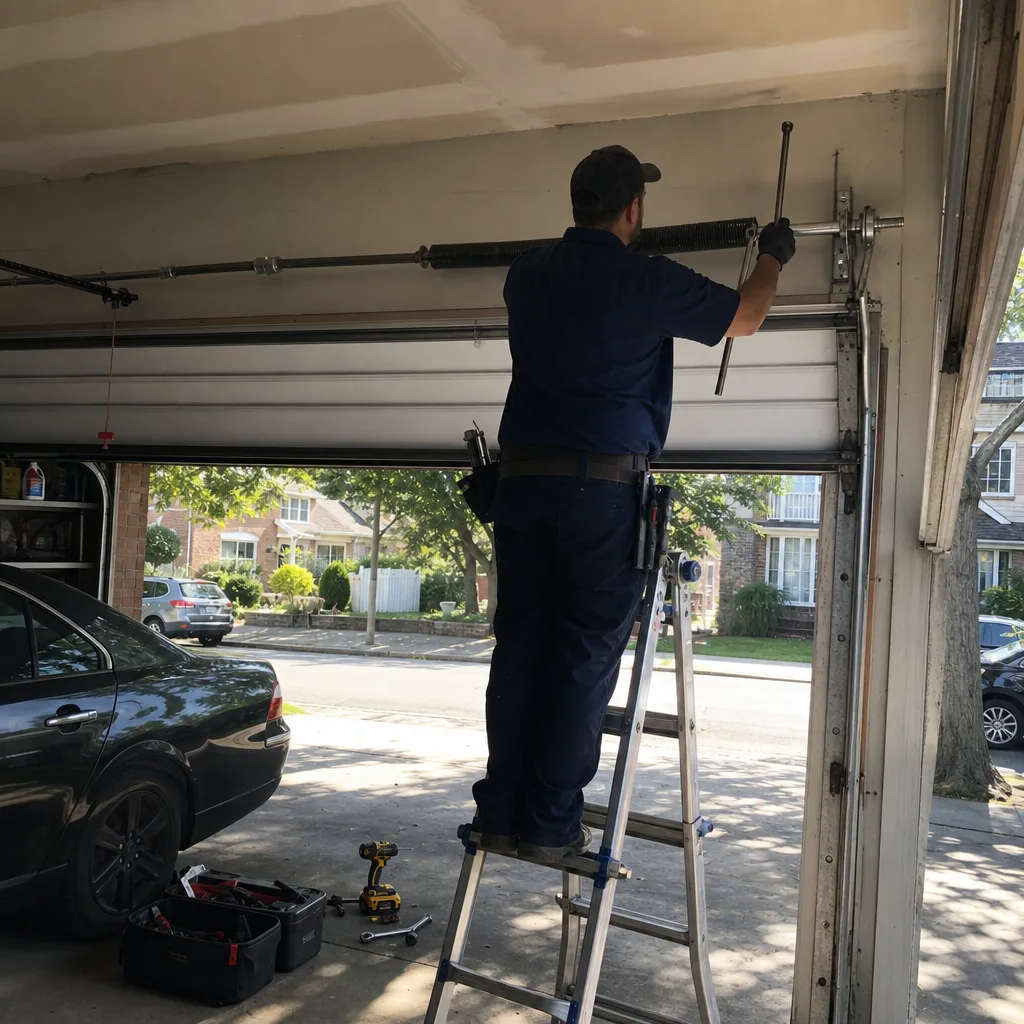
Marcus Deller, our owner, has been working garage doors in the five boroughs for twenty-two years, since he was helping his uncle maintain roll-up doors on storage units in Woodside, Queens. He knows the difference between a Wayne Dalton TorqueMaster cartridge and a conventional torsion conversion, and he knows which suits a New York City garage with an 8-foot ceiling and which suits one with 12. That’s the expertise you’re paying for, and it’s written into every quote.
Beyond Wayne Dalton, we service LiftMaster, Chamberlain, and Genie openers, along with the other major door brands on the market. So when the door is Wayne Dalton and the opener is something else, one truck handles both. The 365-Day Done Right Promise means that if the installation is not right, we make it right, backed by The Haven Standard in writing, not a handshake. The Free Second Opinion offer applies here: bring us any written estimate from another company and we’ll review it line by line at no charge. No coupon, no code, no fine print. Name the part. Quote the range. Do the work.
FAQs
Yes, we’ll install a customer-supplied Wayne Dalton door for the labor portion of our standard installation range, but we do not warranty the door itself, only the installation work. If the door arrives damaged or incomplete from the vendor, you handle the vendor claim; we’ll document the damage for you with photos. We recommend letting us order the door because we can verify the model, panel count, and track kit before the truck shows up. Call (970) 536-1724 and we’ll give you both prices: door and labor together, or labor only.
Wayne Dalton’s warranty on the door itself stays intact as long as the door is installed to manufacturer specifications. Door warranties cover materials, not labor, and they do not require factory installation. The issue that voids a door warranty faster than anything is improper spring tension or track alignment, because the damage gets blamed on the install. That’s why we check the door’s actual weight on-site and tension the springs to that number, not the spec sheet. If you have a warranty claim later, we can provide the installation documentation and photos to support it.
A standard single or double door install takes one full working day, sometimes six to seven hours, assuming the track work is straightforward. If your garage needs masonry anchors into old brick, which is common in Park Slope and Riverdale, figure an extra hour or two. The waiting period is the order time: Wayne Dalton doors typically ship in 5 to 10 business days. Call (970) 536-1724 and we’ll tell you current lead times before you commit.
Yes, we perform TorqueMaster-to-standard torsion conversions regularly. The reason we recommend them on New York City homes is serviceability: standard torsion springs are easier to inspect, easier to balance, and faster to replace when they break, which usually means lower cost on the next failure. The conversion runs $210-$400 depending on door weight and whether you need new drums and cables. The parts we use are matched to your door’s weight, and the work carries the same 365-Day Done Right Promise as everything else we do.
No. The price we quote in writing before work starts is the price you pay when the job is done, unless you ask us to expand the scope. If we find something during the install that genuinely needs addressing, we stop, show you a photo, and give you a separate written change order. You approve it or you don’t. Nothing gets added to the invoice because we “noticed” something. That’s Clause 1 of The Haven Standard, and it applies to every Wayne Dalton installation we do in New York City.
Written by Marcus Deller, Owner, Servo Garage Doors at Servo Garage Doors, serving New York City and nearby areas.